Dodge Packed Up the Charger Daytona and Aimed It at a Continent That Might Actually Buy One
When your home market won't bite, there's always the Old World.
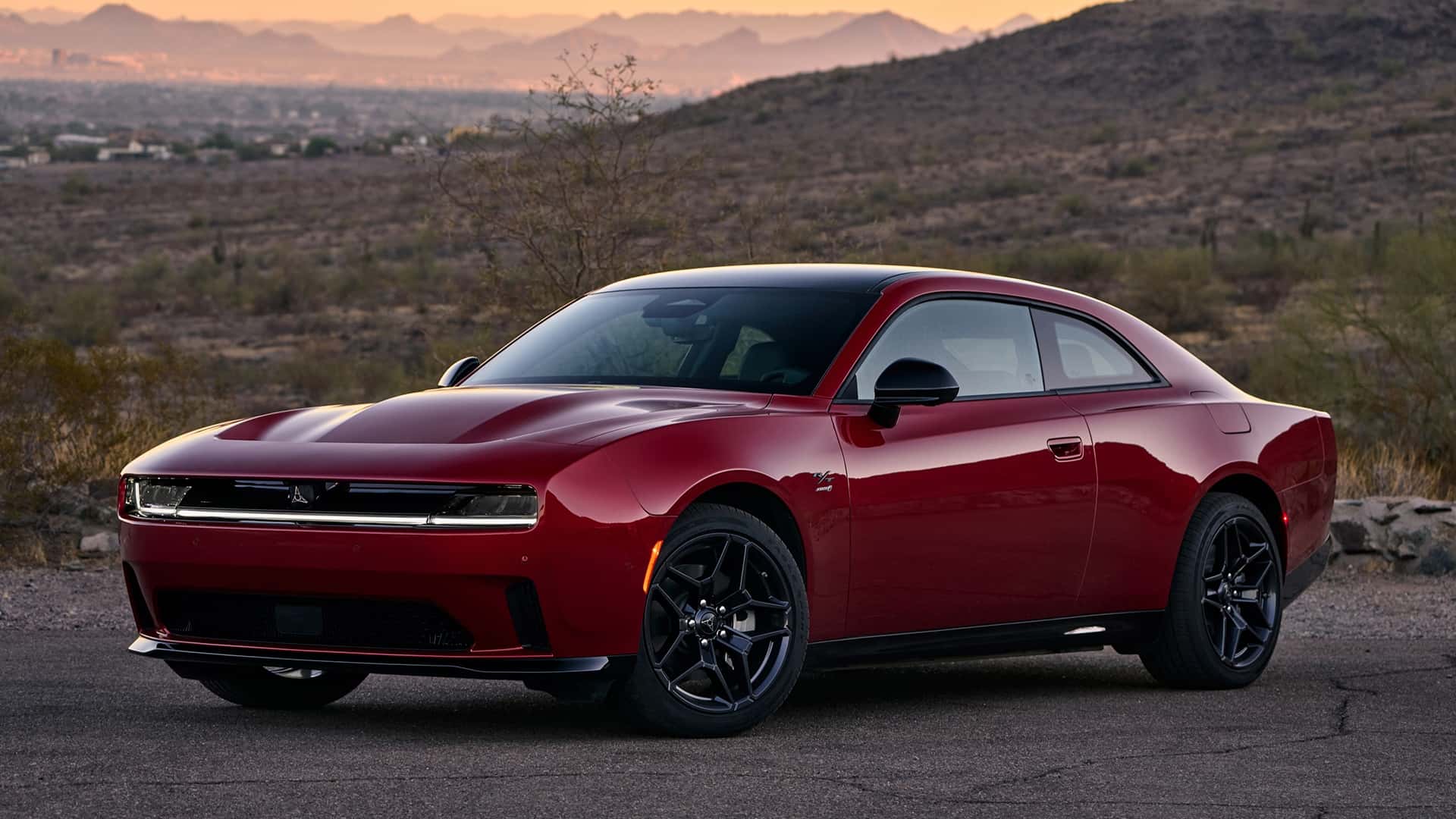
Photo · InsideEVs - Articles
The numbers at home aren't kind. U.S. sales of the electric Charger Daytona have been, according to InsideEVs, abysmal — their word, not a softened paraphrase. So Dodge is heading to Europe, where EV appetite runs higher and the cultural allergies to electrification run lower. Whether that math works is one question. Whether a car built around the idea of American freedom translates across the Atlantic is a stranger one.
Two publications covered this announcement. One read it as a commercial pivot. The other treated it as a dispatch from a parallel dimension, with Jalopnik's headline alone doing more cultural criticism than most think pieces manage in a thousand words. Between them, you get the full shape of the situation: a product that couldn't find its audience at home, pointed at a market with better EV infrastructure, lower range anxiety, and — crucially — no particular attachment to the mythology the Charger was built to sell.
The Car Versus the Concept
The Charger Daytona was designed around a feeling as much as a drivetrain. The muscle car as identity object. The rumble — or its electric surrogate — as a statement about who you are and what you value. That pitch works somewhere specific: a country where the muscle car has seventy-plus years of cultural sediment, where the Charger nameplate means something in a driveway in Charlotte or Tulsa or Phoenix.
Europe doesn't have that sediment. What it does have, per the InsideEVs framing, is a population that buys EVs with less friction. Which is useful. But it also means the car lands there stripped of its primary argument. The freedom branding, the aggression, the theatrical exhaust note piped through speakers — these are responses to a specific American anxiety about what electrification costs you. Europeans, who largely didn't grow up with V8 Chargers as a cultural touchstone, aren't carrying that anxiety. They just want to know if the car is good.
That's actually a harder test.
What Europe Will Actually Judge
On pure product terms, the Charger Daytona will face a market that is already swimming in competent electric options, many of them from manufacturers who've spent years optimizing for European roads, European charging infrastructure, and European tastes in cabin design. The Charger is large in a way that European cities tend to punish. Its identity is loud in a way that European car culture — which has its own deep traditions, none of which look like a 1969 Daytona — doesn't necessarily reward.
Jalopnik's framing — sending it over to spread freedom, tongue planted firmly in cheek — is funny because it's also just a little bit true. This is a car that was conceived as a cultural artifact of one place, and it's being shipped to another place where that culture doesn't have roots. Whether it sells well there, whether it finds buyers who simply want a large, fast American EV without the mythology, is genuinely unknown. InsideEVs is cautiously hopeful about European EV demand doing the work. Jalopnik seems to regard the whole exercise as cosmically absurd.
Both takes are defensible. Which is itself the story.
When a product's domestic thesis fails, sending it abroad doesn't validate the thesis — it just defers the verdict. Europe might buy the Charger Daytona. But it'll buy it as a car, not as a statement. And Dodge will have to decide whether that's enough, or whether it means the statement was always the problem.
Keep reading cars.
Ford Killed the Sedan, Then Left the Door Unlocked
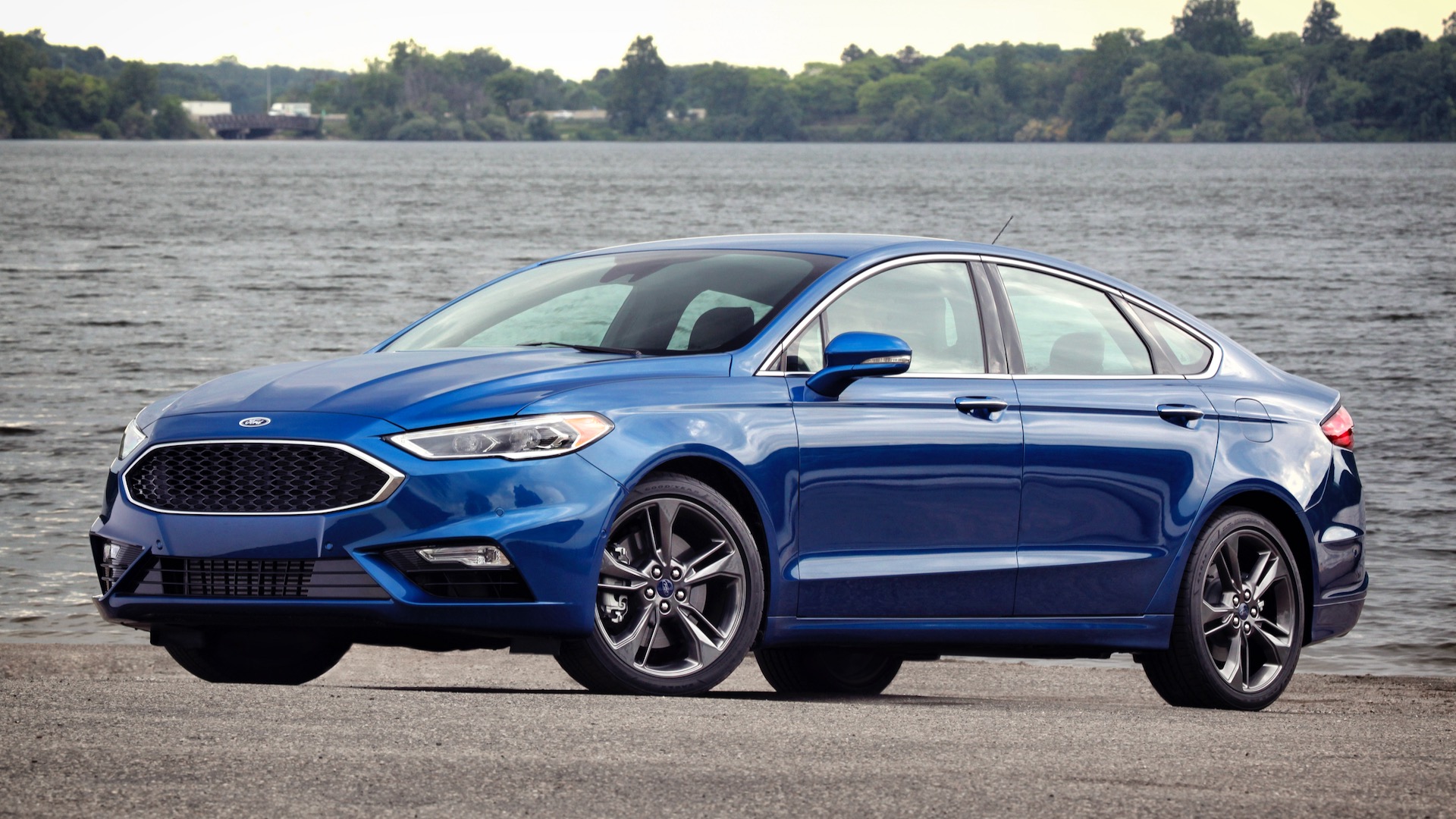
When a company calls a category decision 'absolutely' right and then floats a reversal, you're not reading a market verdict — you're reading a balance sheet.
Nobody Needed Permission to Go This Far
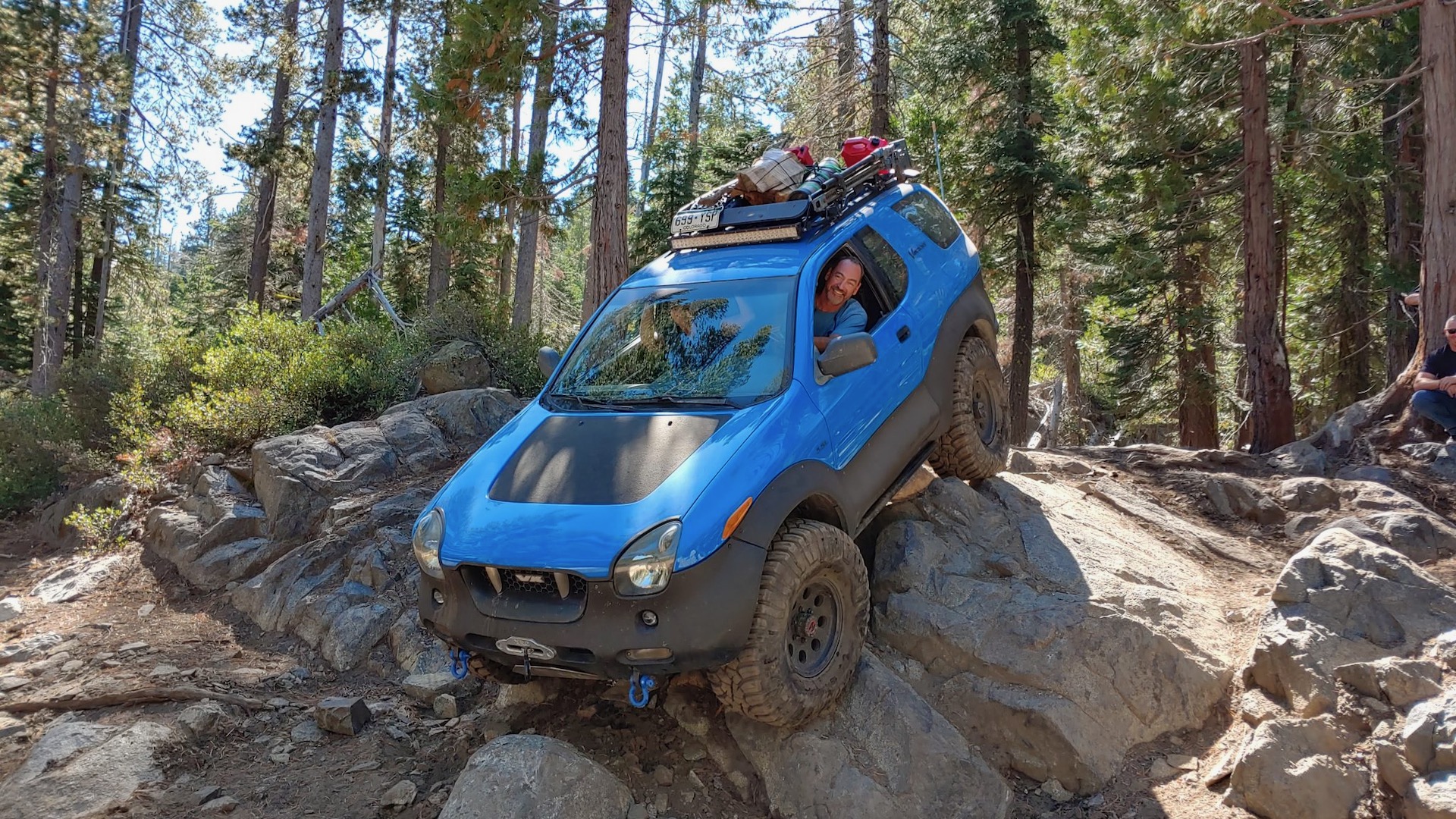
Three builds. Three different answers to the same unspoken question: how much is too much?
Audi Dusted Off a Name From 2003 and Handed It 1,001 Horsepower
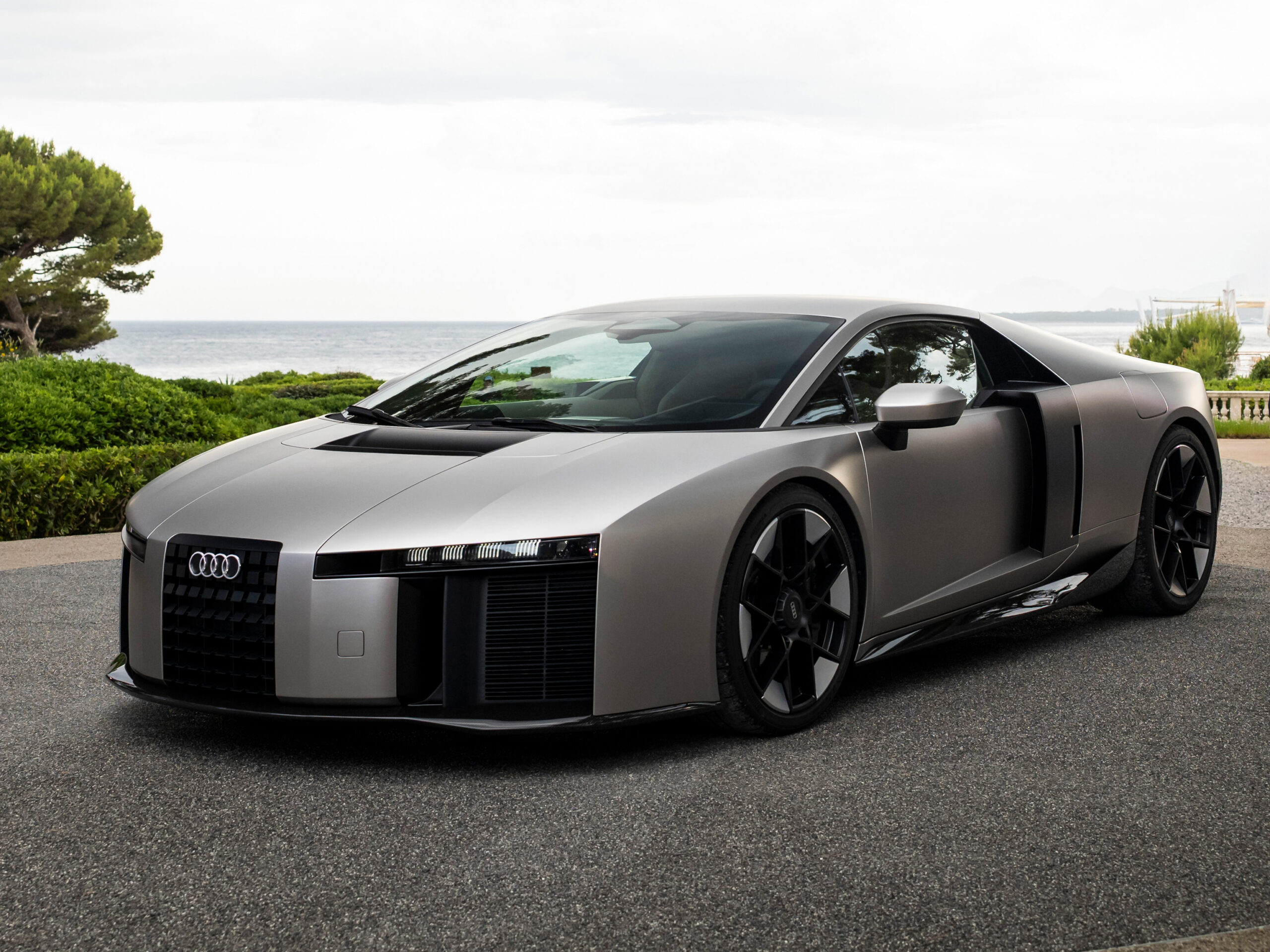
The Nuvolari is back, it's real, and it runs on a twin-turbo V-8 with three electric motors — which tells you everything about where Audi thinks performance actually lives.
From the other desks.
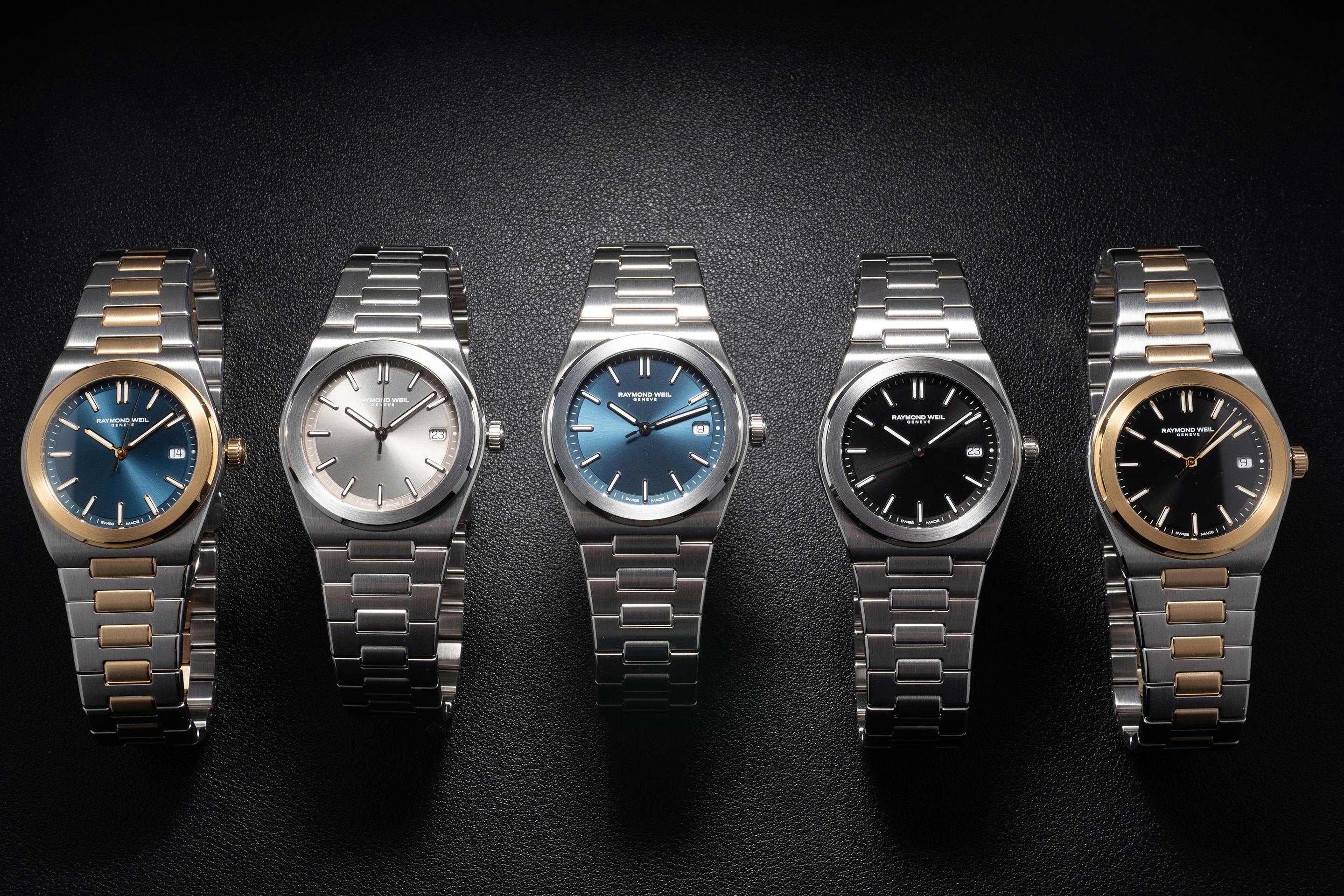
Raymond Weil Spent Half a Century Not Doing This
The A.R.T. collection isn't just a new watch — it's a brand finally deciding the integrated-bracelet category belongs to everyone.

Dana White Said 'Super Bowl Numbers.' Someone Should Tell Paramount+.
When a promoter's hype outpaces what any single streamer can deliver, the credibility gap stops being a personality quirk and starts being a structural problem.

Sam Altman Filed the Paperwork. The Mission Statement Didn't.
OpenAI just told the SEC it wants to go public. It hasn't told anyone what happens to existential caution when the lockup expires.