Ford Killed the Sedan, Then Left the Door Unlocked
When a company calls a category decision 'absolutely' right and then floats a reversal, you're not reading a market verdict — you're reading a balance sheet.
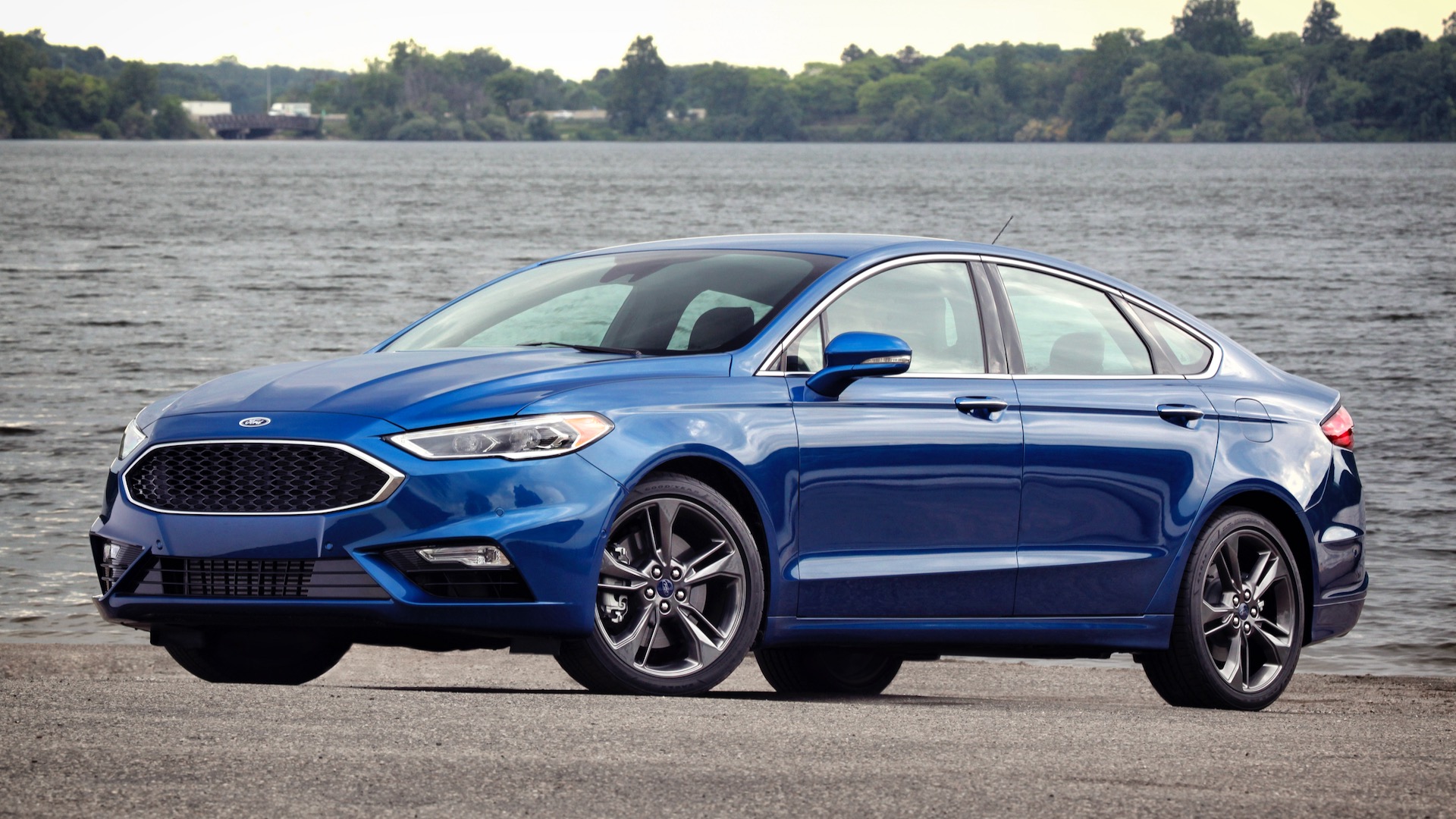
Photo · The Drive
There's a particular kind of confidence that arrives pre-qualified. Ford's head of passenger-car business told outlets including The Drive and Motor1 that ditching sedans was absolutely the right call — and then, in roughly the same breath, allowed that sedans might come back. Hold both of those thoughts at once and something clarifies: the sedan didn't die because nobody wanted it. It died because Ford needed the money somewhere else.
That's not a scandal. That's capitalism doing what it does. But the framing matters, because the industry spent years building a cultural narrative around the sedan's obsolescence — consumers had spoken, trucks had won, the four-door was a relic. Ford's own candor now quietly dismantles that story.
The Budget Was Always the Argument
According to both sources, the cash freed up by killing the sedan line went directly into the Bronco, the Maverick, and expansions of the Raptor and Tremor lineups. Those bets largely paid off. The Bronco became a cultural moment. The Maverick found a buyer nobody had fully mapped — compact-truck pragmatists who didn't want a full-size anything. The Raptor kept its grip on the aspirational end of the truck spectrum. Ford got what it paid for.
But notice the structure of that sentence: Ford got what it paid for. The sedan wasn't retired because the market sent it off. It was liquidated to fund a different portfolio. There's a meaningful difference between a product category that collapsed under its own irrelevance and one that was traded in like a stock position. One is a story about culture. The other is a story about capital allocation.
When Ford now signals that sedans could return — contingent, presumably, on conditions aligning — it confirms that the original exit was never a permanent read on demand. It was a timed withdrawal. Category death, apparently, comes with a revival clause.
What the Hedge Reveals
The Drive framed it as Ford saying the move was right while leaving the window open. Motor1 leaned into the defense — the investments enabled by the sedan exit are real, the lineups expanded, the money moved. Both readings are accurate. Neither one quite says the uncomfortable part out loud.
If sedans were truly dead as a category — if the consumer had genuinely moved on and the form factor was obsolete — there would be nothing to bring back. You don't revive a rotary phone. You don't un-retire a fax machine. The fact that return is even discussable means the demand was always there, sitting in the background, just not profitable enough to justify the capital at that particular moment in Ford's product cycle.
That's a fine business decision. Companies make calls like this constantly. But it strips the eulogy of its poetry. The sedan didn't succumb to shifting tastes and the gravitational pull of the crossover. It got cut to fund a Bronco. One of those is a cultural story. The other is a line item.
What this actually means for anyone who still prefers something lower to the ground, with a trunk and a rear seat that doesn't require a step — the people who liked the Fusion, who drove the Taurus, who never needed a truck and never wanted one — is that they weren't wrong. They were just deprioritized. There's a version of that which is almost harder to accept than being told the thing you liked was bad. You weren't the wrong customer. You were just the less profitable one.
Ford built something people wanted, decided it needed the money elsewhere, and is now watching to see whether the math eventually flips. That's the real verdict on the sedan. Not gone. On hold.
Keep reading cars.
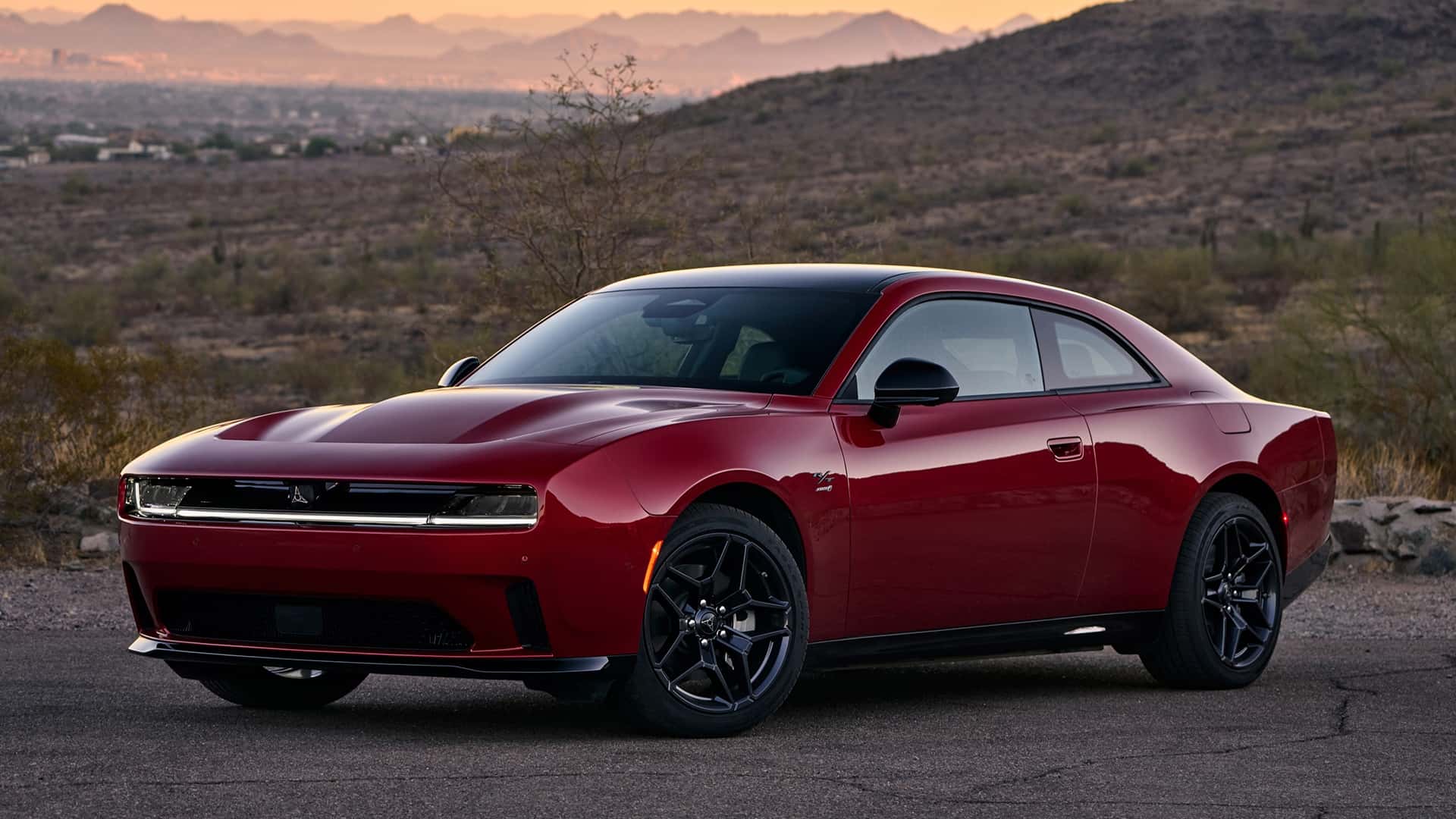
Dodge Packed Up the Charger Daytona and Aimed It at a Continent That Might Actually Buy One
When your home market won't bite, there's always the Old World.
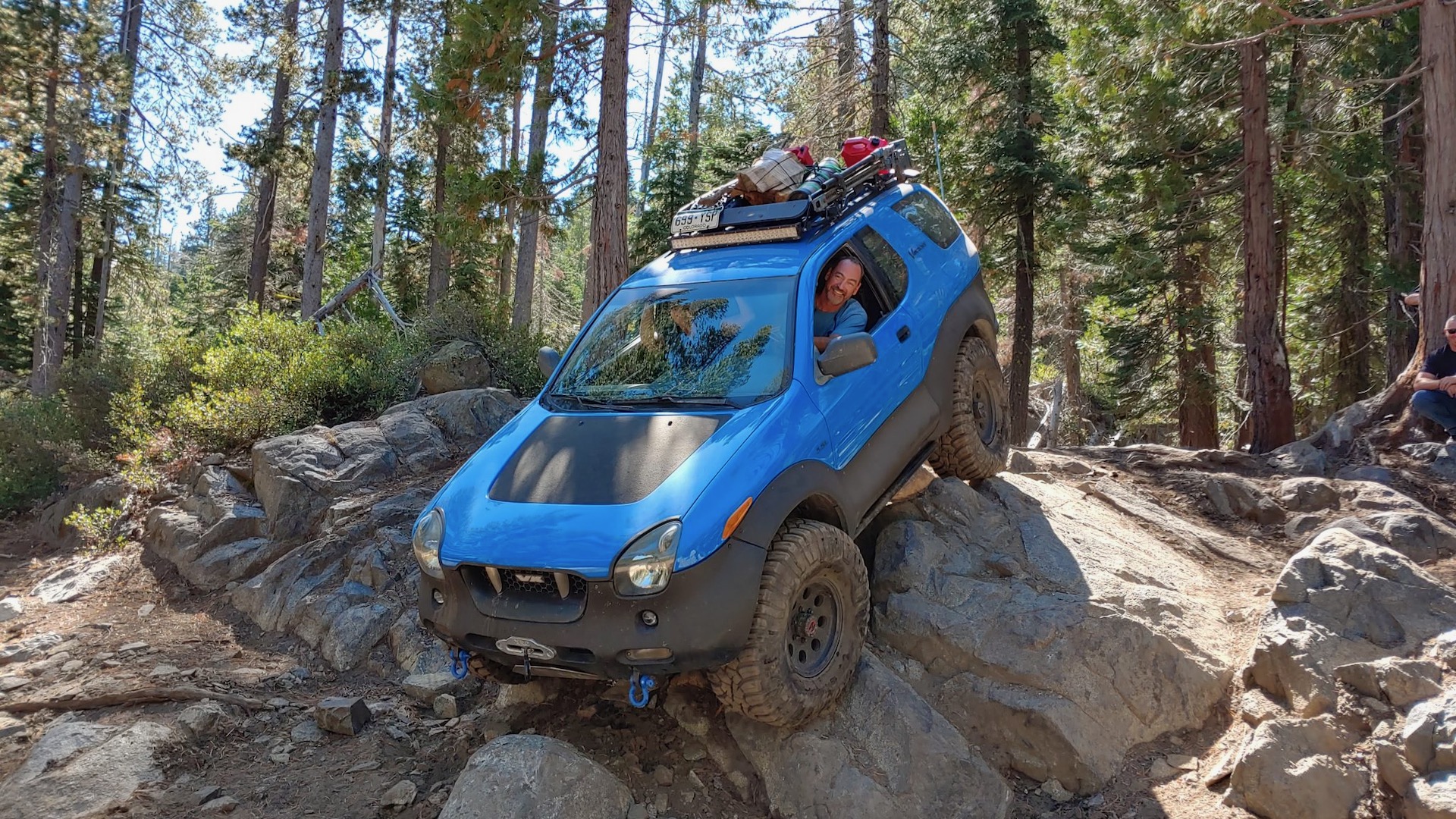
Nobody Needed Permission to Go This Far
Three builds. Three different answers to the same unspoken question: how much is too much?
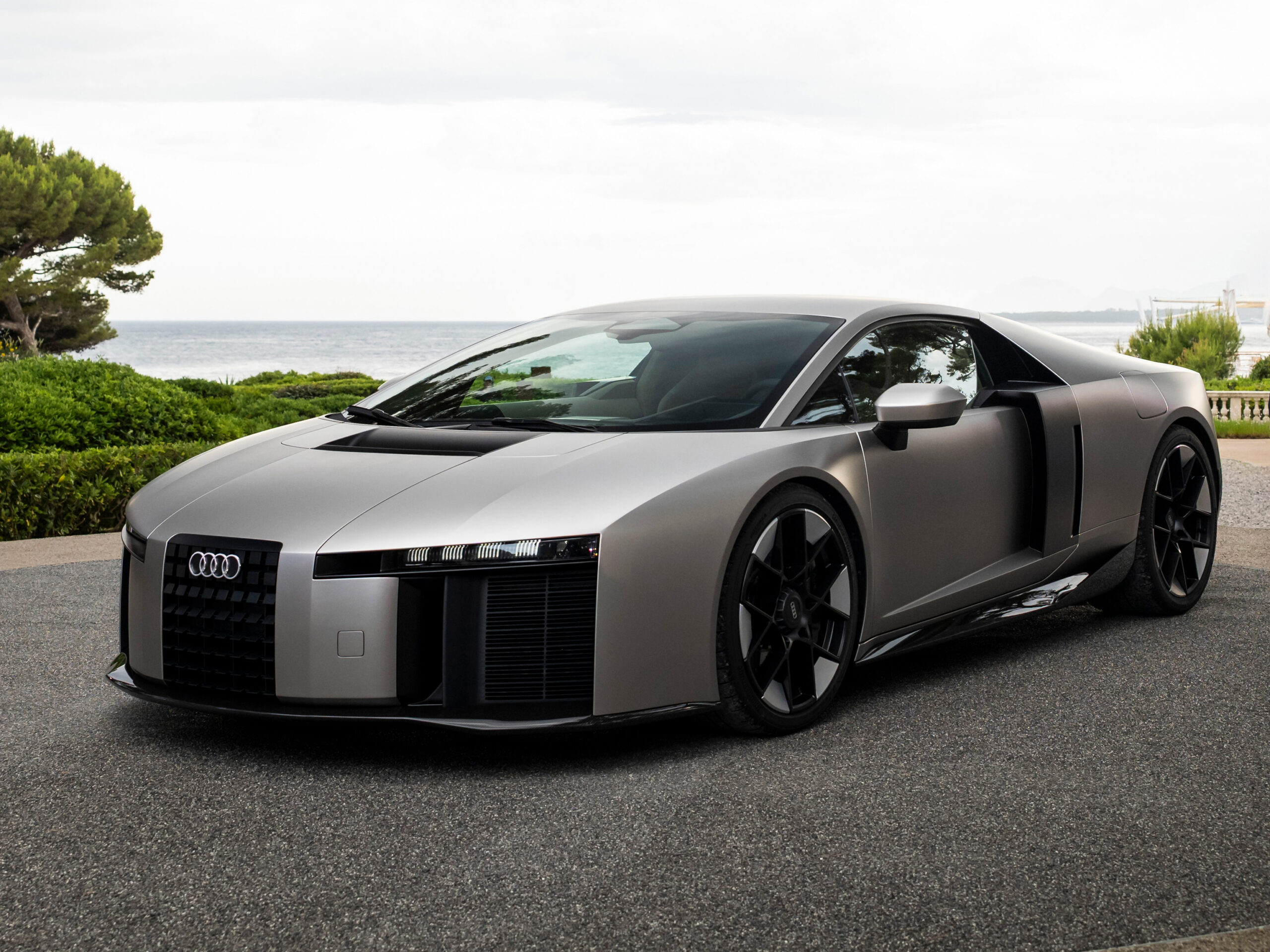
Audi Dusted Off a Name From 2003 and Handed It 1,001 Horsepower
The Nuvolari is back, it's real, and it runs on a twin-turbo V-8 with three electric motors — which tells you everything about where Audi thinks performance actually lives.
From the other desks.
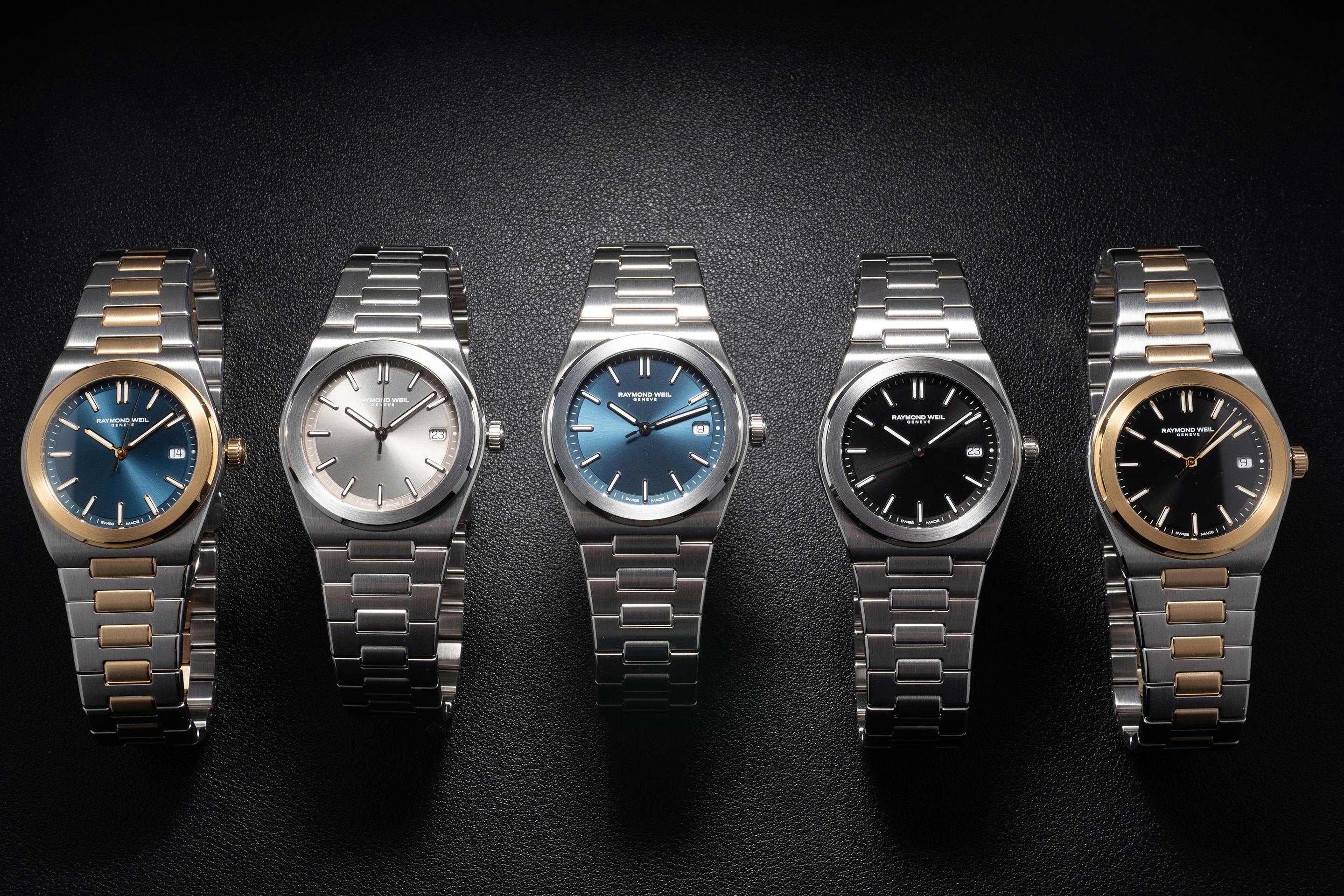
Raymond Weil Spent Half a Century Not Doing This
The A.R.T. collection isn't just a new watch — it's a brand finally deciding the integrated-bracelet category belongs to everyone.

Dana White Said 'Super Bowl Numbers.' Someone Should Tell Paramount+.
When a promoter's hype outpaces what any single streamer can deliver, the credibility gap stops being a personality quirk and starts being a structural problem.

Sam Altman Filed the Paperwork. The Mission Statement Didn't.
OpenAI just told the SEC it wants to go public. It hasn't told anyone what happens to existential caution when the lockup expires.