Heron Preston Turned New York Street Signs Into Something You Sit On
When a streetwear designer starts making furniture from salvaged city infrastructure, the category lines aren't blurring — they're gone.
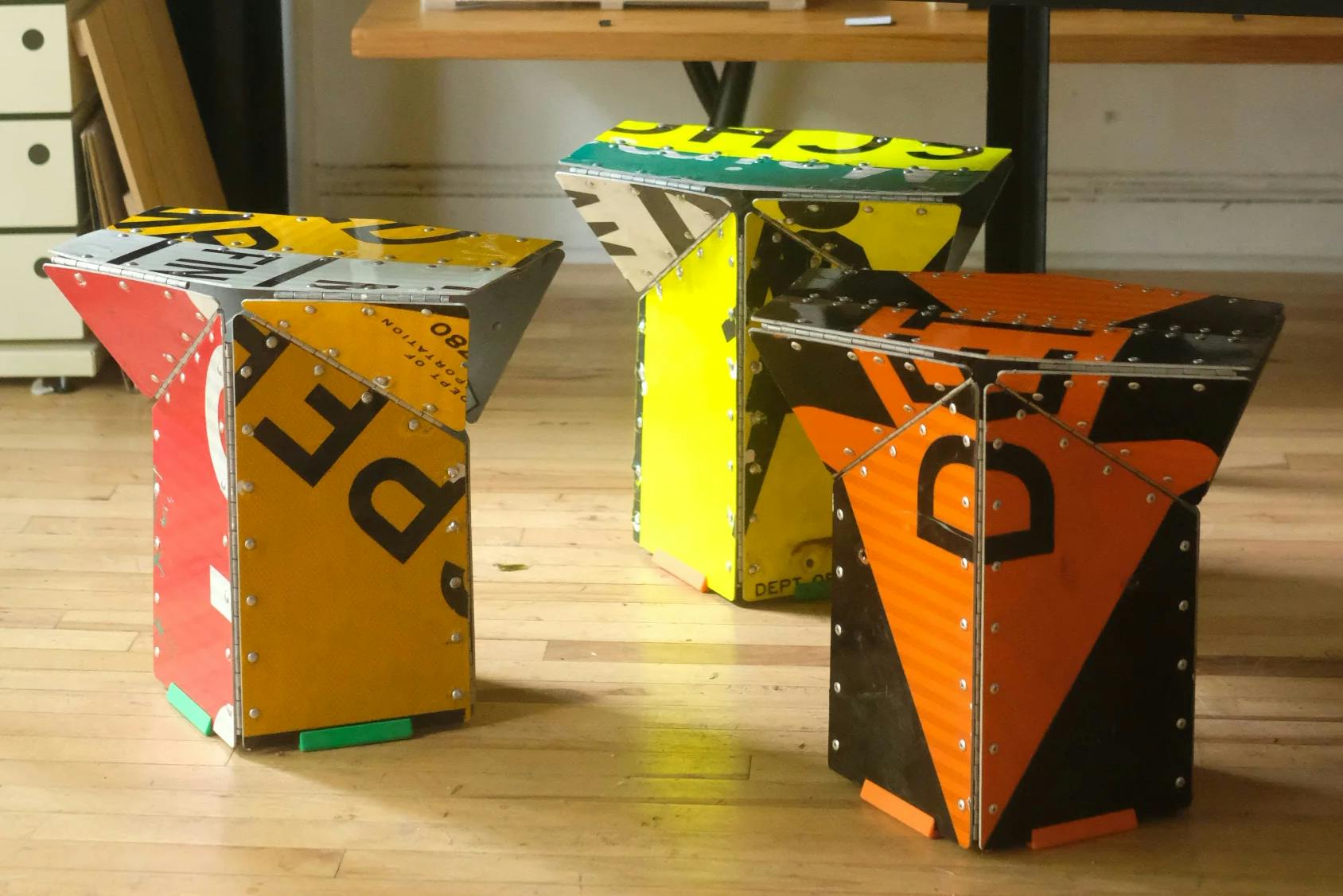
Photo · Highsnobiety
Highsnobiety just published a piece about Heron Preston making chairs out of old New York street signs, and I keep turning that over.
Not because the object is surprising — once you hear it, it feels almost inevitable. But because of what it means that a streetwear designer is the one doing it, and that a publication built on drops and collabs is treating it as a natural next move. Nobody blinked. That's the tell.
From the Wall to the Floor
The project, according to the piece, comes out of L.E.D. Studio — Preston's lesser-known creative arm — working alongside designer Rishi Assar to figure out how salvaged street signs could become chairs. The material is specific and loaded: New York street signs, which carry a visual language that anyone who's spent time in that city knows in their bones. Green. Reflective. Bureaucratic. The city's own handwriting.
Turning that into furniture isn't deconstruction for its own sake. It's a translation. The sign was always communicating something about place and ownership and public space. The chair just makes you sit inside that conversation instead of walking past it.
What Highsnobiety's framing does — intentionally or not — is treat this as a logical extension of a streetwear career. Not a pivot. Not an art project with a press release. Just: he pioneered this, and now he invented that. The continuity is the point. The language of the street, taken literally, turned into an object of use.
What This Reveals
For a long time, streetwear's relationship to design objects was transactional. A collab with a furniture brand. A limited edition something. The fashion credibility lending weight to the object, the object lending gravitas back. Both parties getting what they needed, nobody fully committed.
This is different. Preston isn't collaborating with a furniture brand — he built his own studio for it. The chair doesn't have a co-sign. It has a provenance: the street itself, literally. That's a harder thing to fake, and a harder thing to dismiss.
The writer at Highsnobiety is staking out a position here — that this is the natural evolution of what Preston has always been doing, not a departure from it. I find that argument more interesting than the chair itself, honestly. Because if that's true, then the wall between what you wear and what you live with has been gone for a while and we just didn't have the language for it. Now we have a piece of furniture made of street signs to point at.
There's something worth sitting with in the fact that the raw material is infrastructure. Not fabric, not leather, not reclaimed wood with a pastoral backstory. Metal that told you where you were, repurposed to hold you still for a moment.
Some objects arrive and feel like conclusions. This one feels like a door left open.
Keep reading fashion.
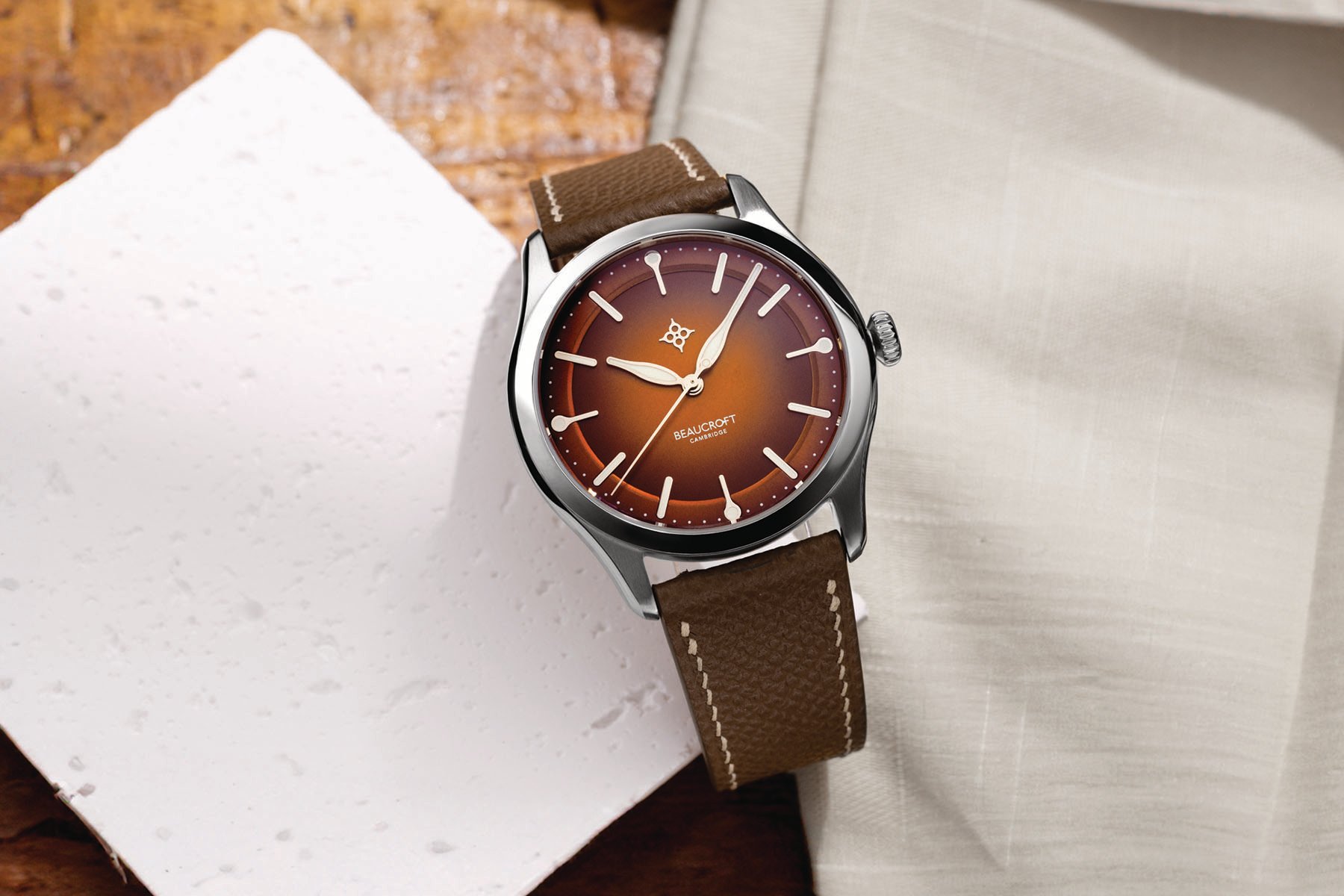
Beaucroft Built an Everyday Watch Without Hedging on What That Means
Three outlets looked at the Arc and all arrived at the same uncomfortable conclusion: the excuses for not owning something this considered are running out.
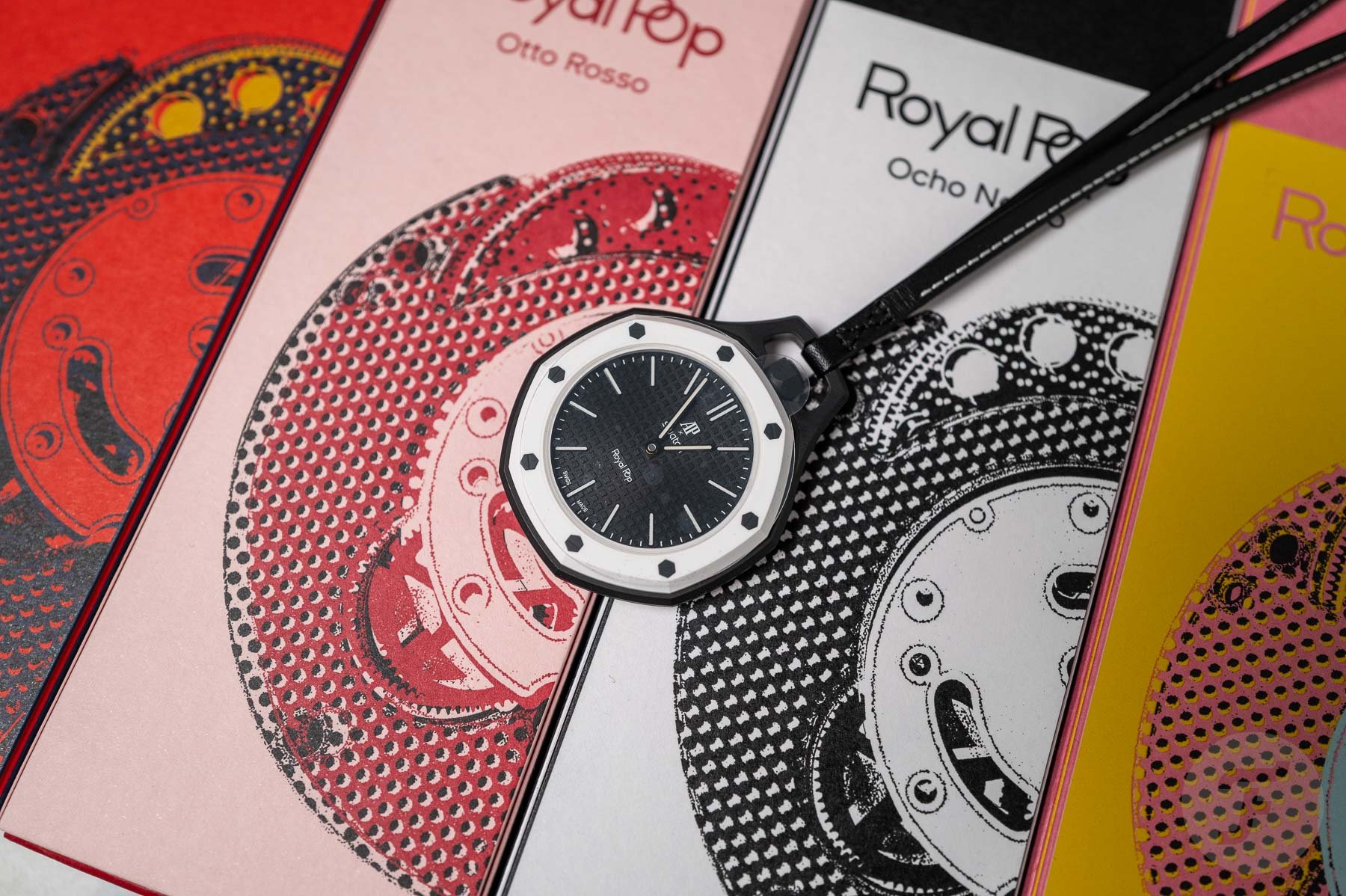
Swatch Closed the Mall. AP Just Kept Designing.
When a watch collab shuts down retail corridors and draws police, the drop has outgrown the product.
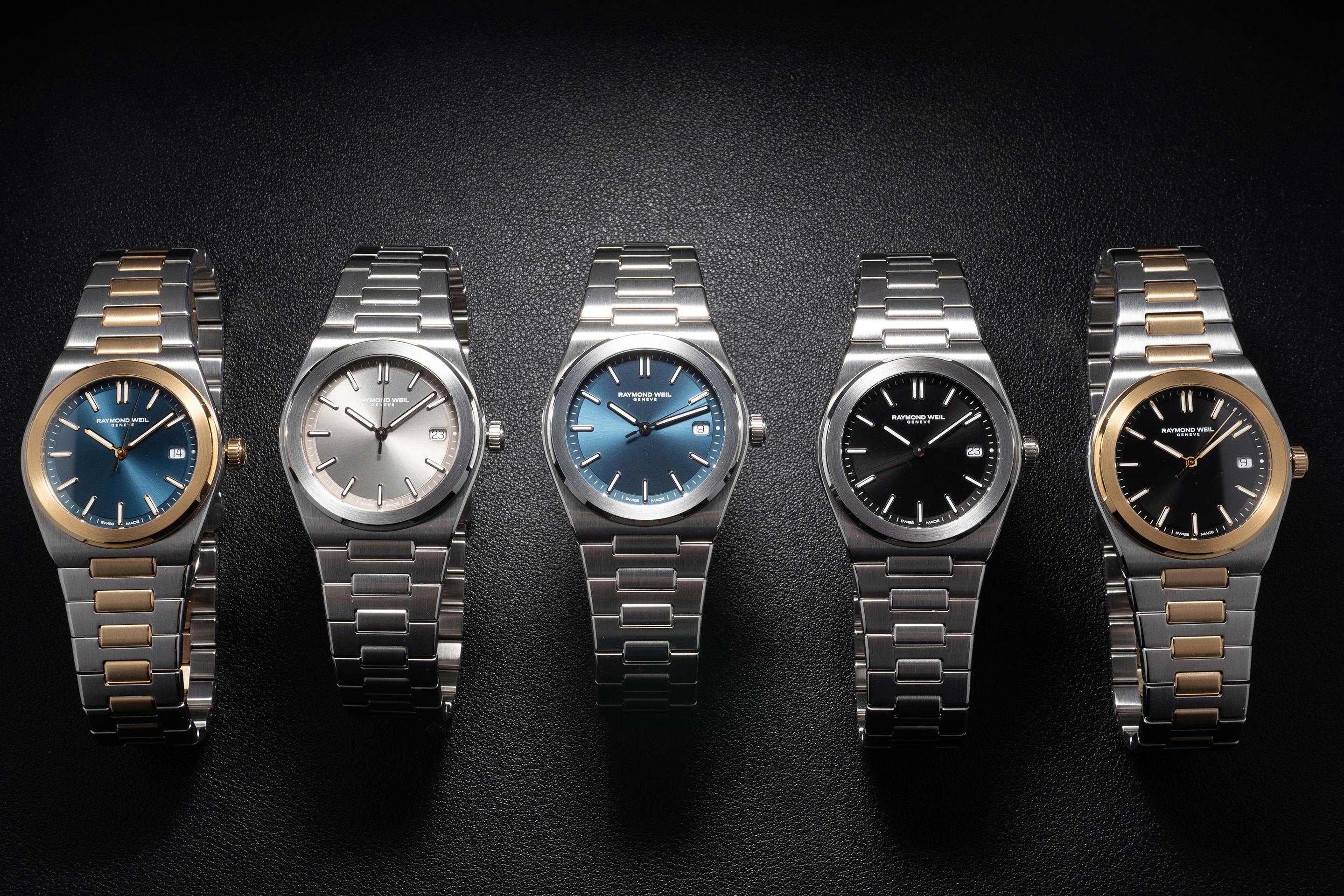
Raymond Weil Spent Half a Century Not Doing This
The A.R.T. collection isn't just a new watch — it's a brand finally deciding the integrated-bracelet category belongs to everyone.
From the other desks.

Boreham Built a New Escort From Nothing and Called It the Original
At £300,000, the Boreham Escort RS isn't nostalgia — it's a philosophical argument with a 10,000rpm redline.

Win Enough and the Scoreboard Stops Meaning What It Said
A writer at Boardroom just named the trap every great athlete eventually falls into — and once you see it, you can't watch sports the same way again.

SpaceX Wants to Build the Cloud Above the Cloud
Orbital data centers sound like a punchline until you see the factory floor.