Raymond Weil Spent Half a Century Not Doing This
The A.R.T. collection isn't just a new watch — it's a brand finally deciding the integrated-bracelet category belongs to everyone.
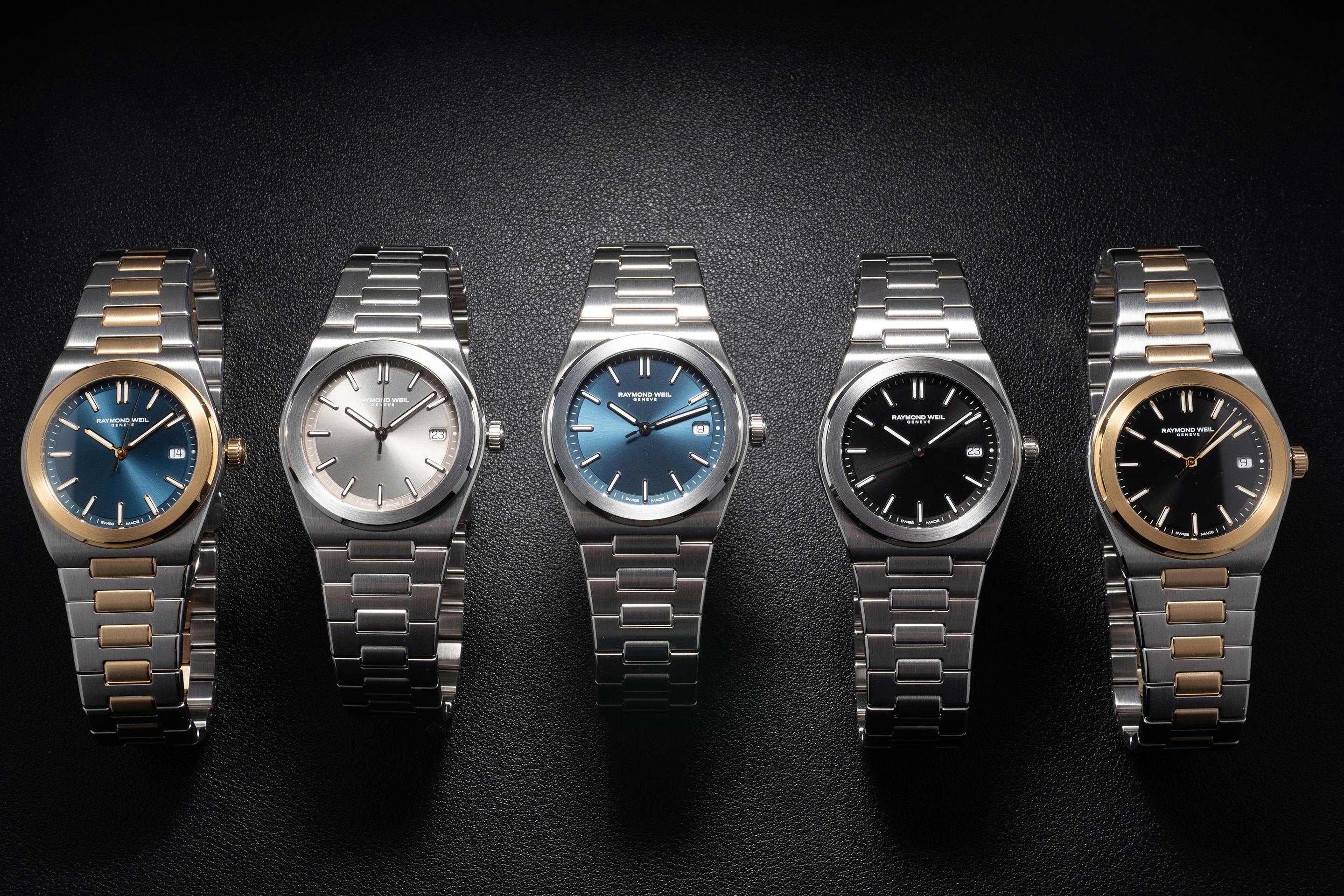
Photo · Hodinkee
There's a particular kind of restraint that looks, from the outside, like timidity. For close to fifty years, Raymond Weil built its reputation on accessible Swiss watchmaking and stayed almost completely clear of one of the industry's most argued-over categories: the integrated-bracelet sports watch. That's not an oversight. That's a decision, made repeatedly, across decades.
So when a brand with that kind of patience finally moves, you pay attention to what they chose.
What the A.R.T. Actually Is
The new A.R.T. collection — Raymond Weil's first integrated-bracelet line — comes in two families. The Ref. 1000 series runs on mechanical movements. The second family covers quartz. Both arrive in 38mm and 30mm sizing, which is itself a statement: this isn't a watch built for one kind of wrist or one kind of buyer.
Monochrome called it the brand's "first integrated-bracelet sporty-chic collection," which is accurate but undersells the weight of the moment. Time+Tide framed it as Raymond Weil joining a race. Oracle Time went further, noting the formula lands as "polished, versatile, and surprisingly affordable." DEPLOYANT treated it as a collection-level launch — not a single reference but an entire new architecture for the brand.
Hodinkee showed up with live pictures and confirmed the sizes. Everyone confirmed the same basic fact: this hadn't happened before.
Why Patience Becomes Relevant
The integrated-bracelet sports watch has been the dominant conversation in watches for years now. Waitlists, premiums, the whole performance. What's interesting about Raymond Weil entering now — rather than chasing the peak of that wave — is that it suggests the category has matured enough to absorb a brand that isn't selling scarcity or prestige. It's selling the watch.
That's a different value proposition, and it's harder to pull off than it sounds. The integrated bracelet format carries a lot of visual expectation. It implies a certain seriousness. You're committing the case and bracelet to a unified design language, which means there's nowhere to hide if the execution is soft.
What the coverage across five outlets quietly agrees on — without any of them quite saying it this way — is that Raymond Weil seems to have understood this. The A.R.T. isn't positioned as a budget alternative to something else. It's positioned as itself. Contemporary details, classic proportions, two movement types, two sizes. A complete thought.
There's something worth sitting with in a Swiss brand taking nearly half a century to enter a category and arriving with a full collection rather than a single experimental reference. That's not timidity reconsidered. That's confidence of a different kind — the kind that waits until it has something real to say.
The category always had room for this. It just took someone patient enough to find it.
Keep reading fashion.
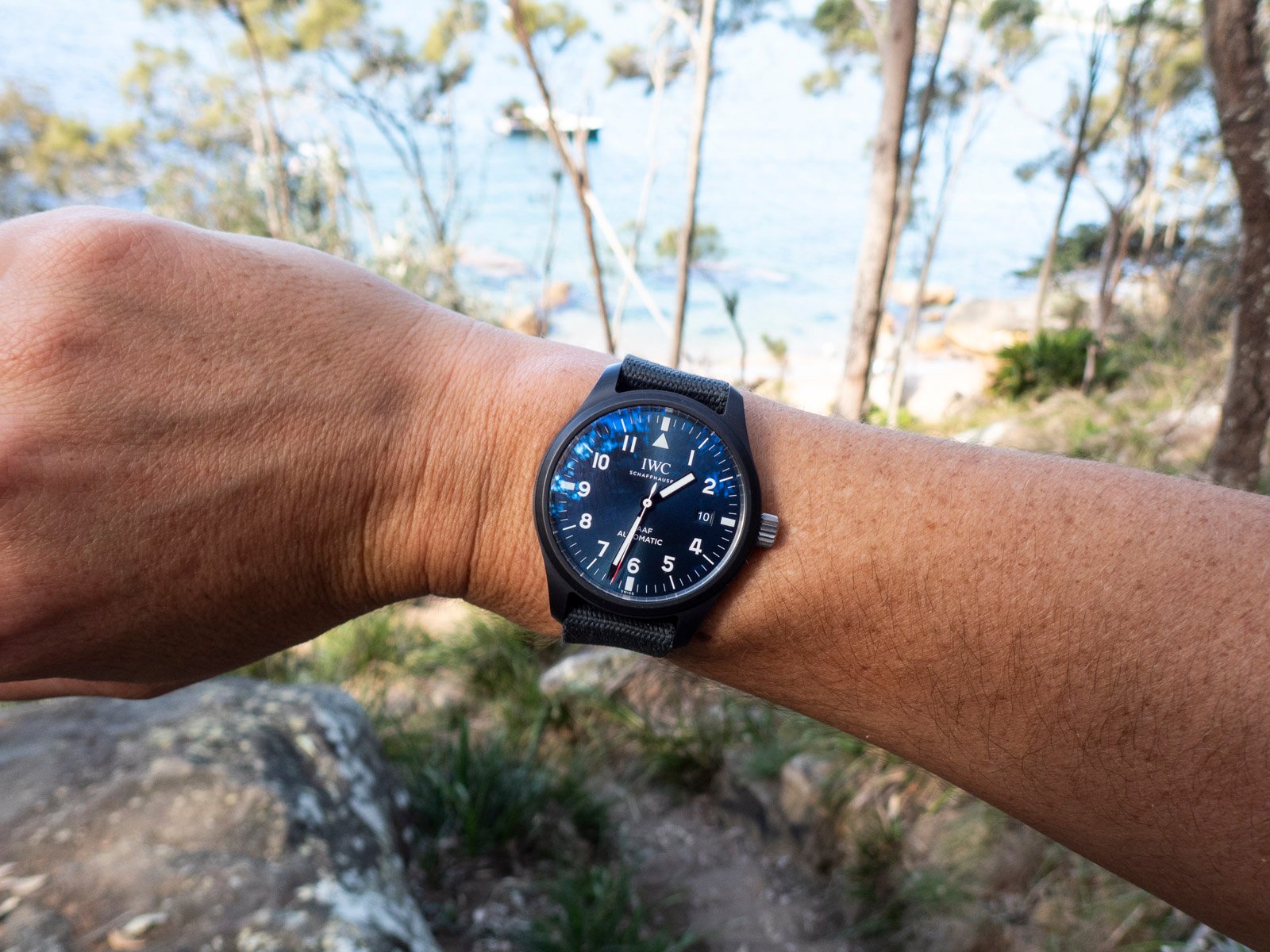
Collector Fatigue Finally Said Its Own Name Out Loud
A watch publication asked its readers which piece they'd wear forever and stop thinking about — and the answer quietly rewrote what it means to own something beautiful.

Prada Stitched Something That Has to Work
When a fashion house builds the layer between an astronaut and the moon, the question isn't about branding anymore.

Zegna Flew to Malibu to Tell You Vacation Has Standards
Alessandro Sartori staged a runway on the California coast. The real argument wasn't about clothes.
From the other desks.
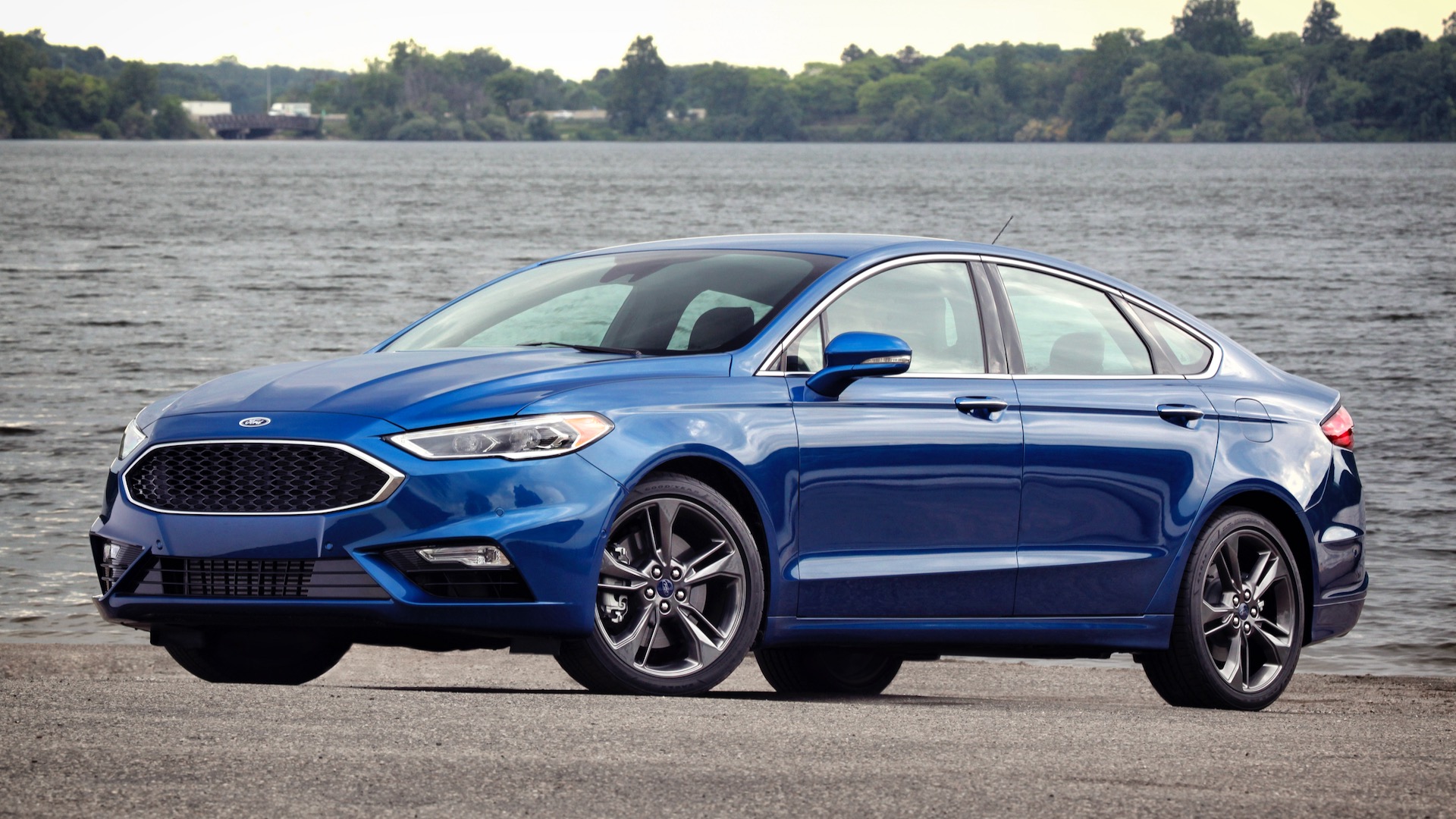
Ford Killed the Sedan, Then Left the Door Unlocked
When a company calls a category decision 'absolutely' right and then floats a reversal, you're not reading a market verdict — you're reading a balance sheet.

Dana White Said 'Super Bowl Numbers.' Someone Should Tell Paramount+.
When a promoter's hype outpaces what any single streamer can deliver, the credibility gap stops being a personality quirk and starts being a structural problem.

Sam Altman Filed the Paperwork. The Mission Statement Didn't.
OpenAI just told the SEC it wants to go public. It hasn't told anyone what happens to existential caution when the lockup expires.