Swatch Closed the Mall. AP Just Kept Designing.
When a watch collab shuts down retail corridors and draws police, the drop has outgrown the product.
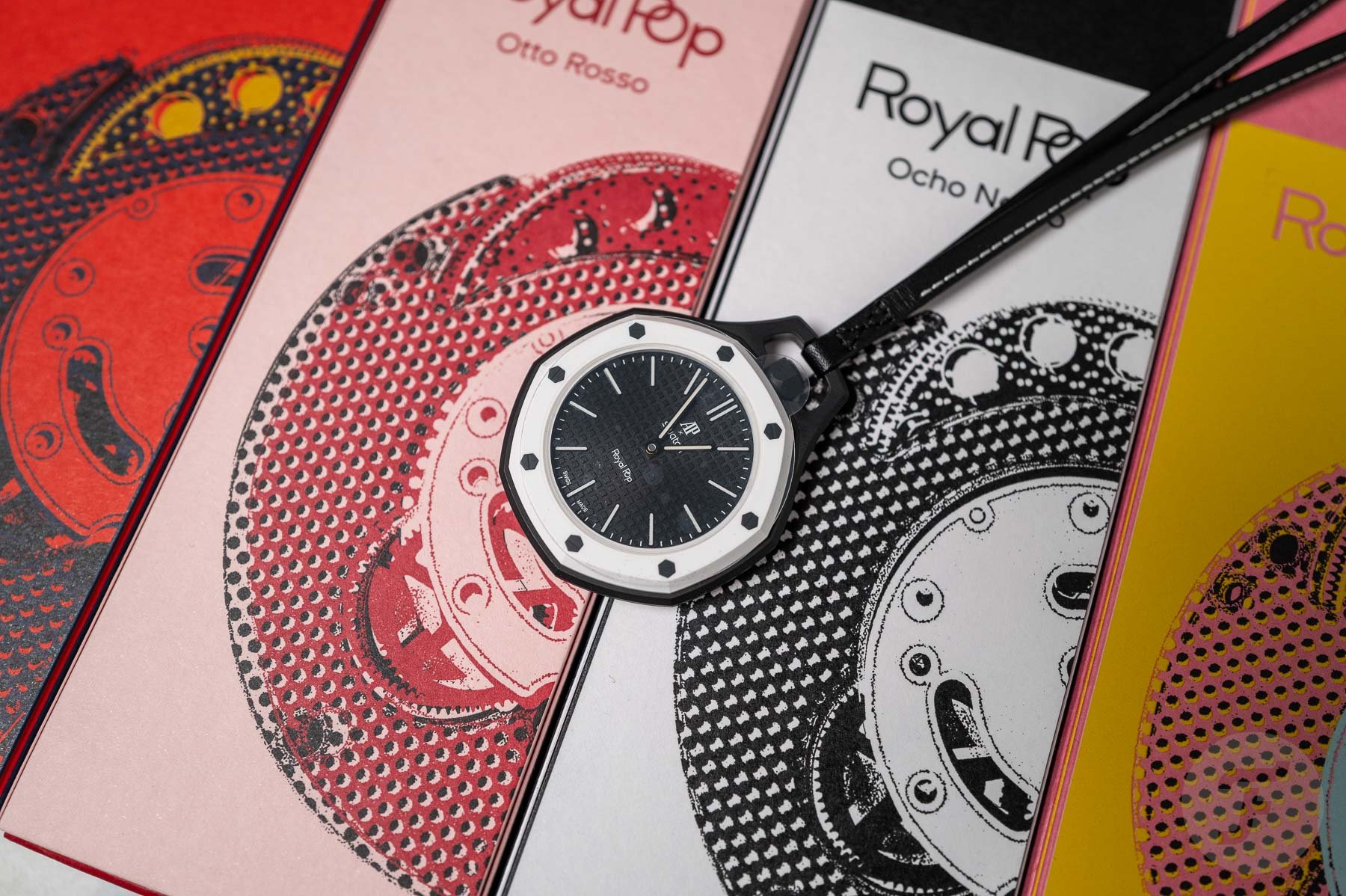
Photo · Fratello Watches – The Magazine Dedicated To Luxury Watches
The Queue Became the Event
On May 16th, something happened at Swatch boutiques around the world that no watch brand's PR team would have dared script: police were called in to manage the lines, stores had to close mid-day, and the managers of surrounding shops — people selling sneakers, coffee, phone cases — found themselves locked out of their own revenue because the crowd had swallowed the block. Fratello was there at several of these locations, and what they described wasn't a retail event. It was a disruption.
This is where the Audemars Piguet × Swatch Royal Pop collaboration landed. Not in a watch case. In an urban planning problem.
Think about what that actually means. A Swatch — a brand whose entire founding premise was accessibility, affordability, bringing watch culture to people who weren't buying Pateks — has become something that closes malls. The mall owners were angry. The neighboring store managers were angry. The infrastructure of a shopping center, designed to funnel foot traffic and distribute spend, buckled under a single SKU.
Hype has always had ambition. What it finally has now is scale.
Meanwhile, AP Kept the Palette
While the collaboration was triggering crowd-control responses at street level, Audemars Piguet was quietly doing something else entirely: releasing three Royal Oak Offshores that carry the same color sensibility as the Royal Pop into their mainline offering. Fratello's description of AP's design team makes the intention plain — these are people unbothered by color, unafraid of it, actively reaching for it. The sprinkles aesthetic isn't a collab stunt for them. It's a direction.
That's the detail worth sitting with. The chaos at the Swatch boutique wasn't just about a limited object. It was about a visual language — loud, saturated, almost irreverent — that AP has now absorbed into its permanent catalog. The Royal Pop wasn't a detour. It was a test. And the test passed, loudly, in front of police tape.
There's a version of this story where the collaboration is cynical: a heritage brand lending its iconography to a mass-market partner for a visibility boost, both parties pocketing the hype and moving on. But the follow-through — AP continuing to develop that color story in its own mainline Offshores — suggests something more considered. The design team liked what they made. They kept making it.
The queue, then, wasn't just people chasing a deal on Royal Oak DNA. It was an audience responding to a sensibility that the brand actually believes in. That's a rarer thing than it looks.
What gets lost in the chaos coverage is the craft underneath it. The disruption is the story that photographs well, that generates the takes, that gives mall security something to do on a Tuesday. But the reason anyone was standing in that line at all is because somebody sat down and designed something that made people feel like they needed to be first.
Most hype doesn't survive contact with the object. This one, apparently, does.
Keep reading fashion.
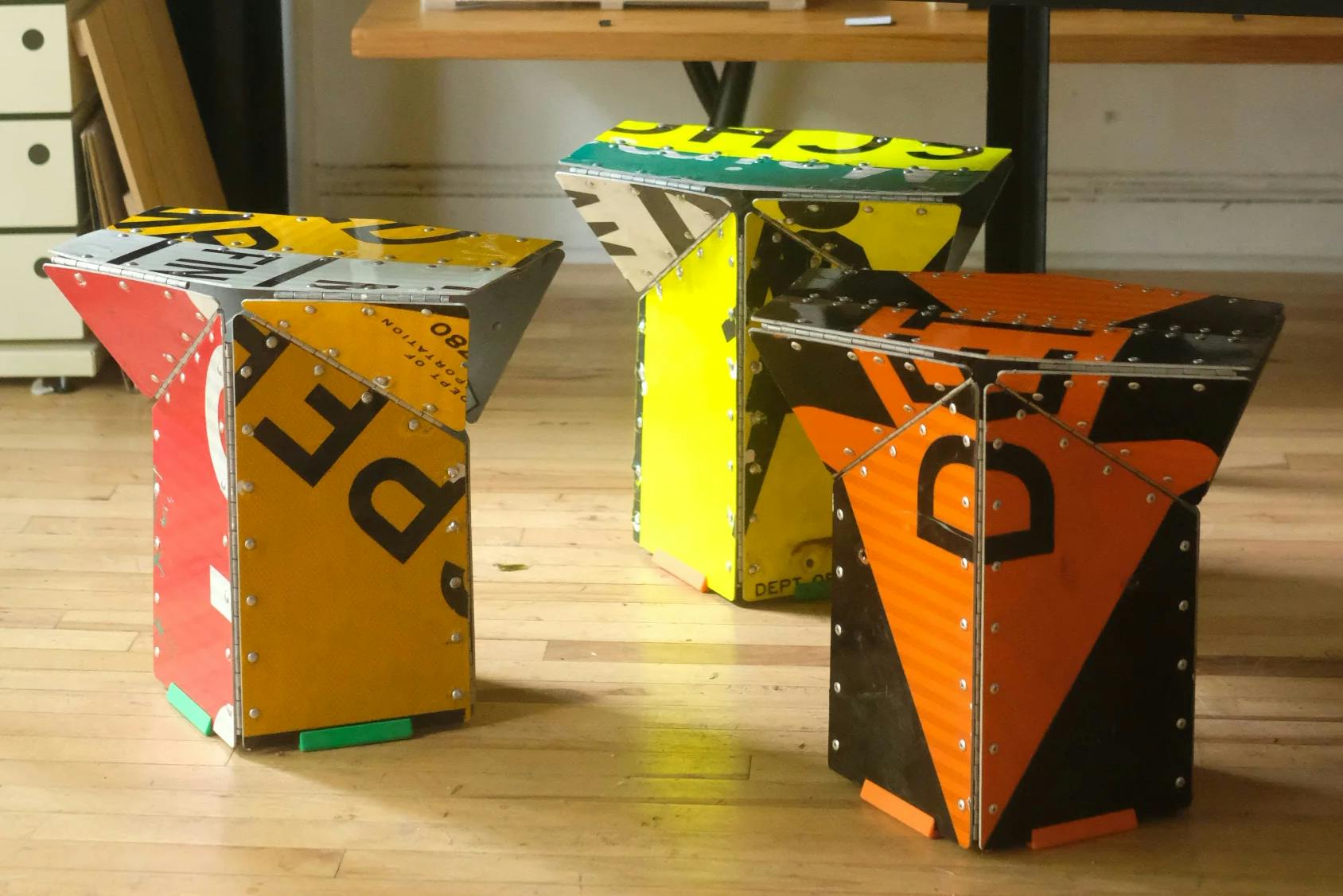
Heron Preston Turned New York Street Signs Into Something You Sit On
When a streetwear designer starts making furniture from salvaged city infrastructure, the category lines aren't blurring — they're gone.
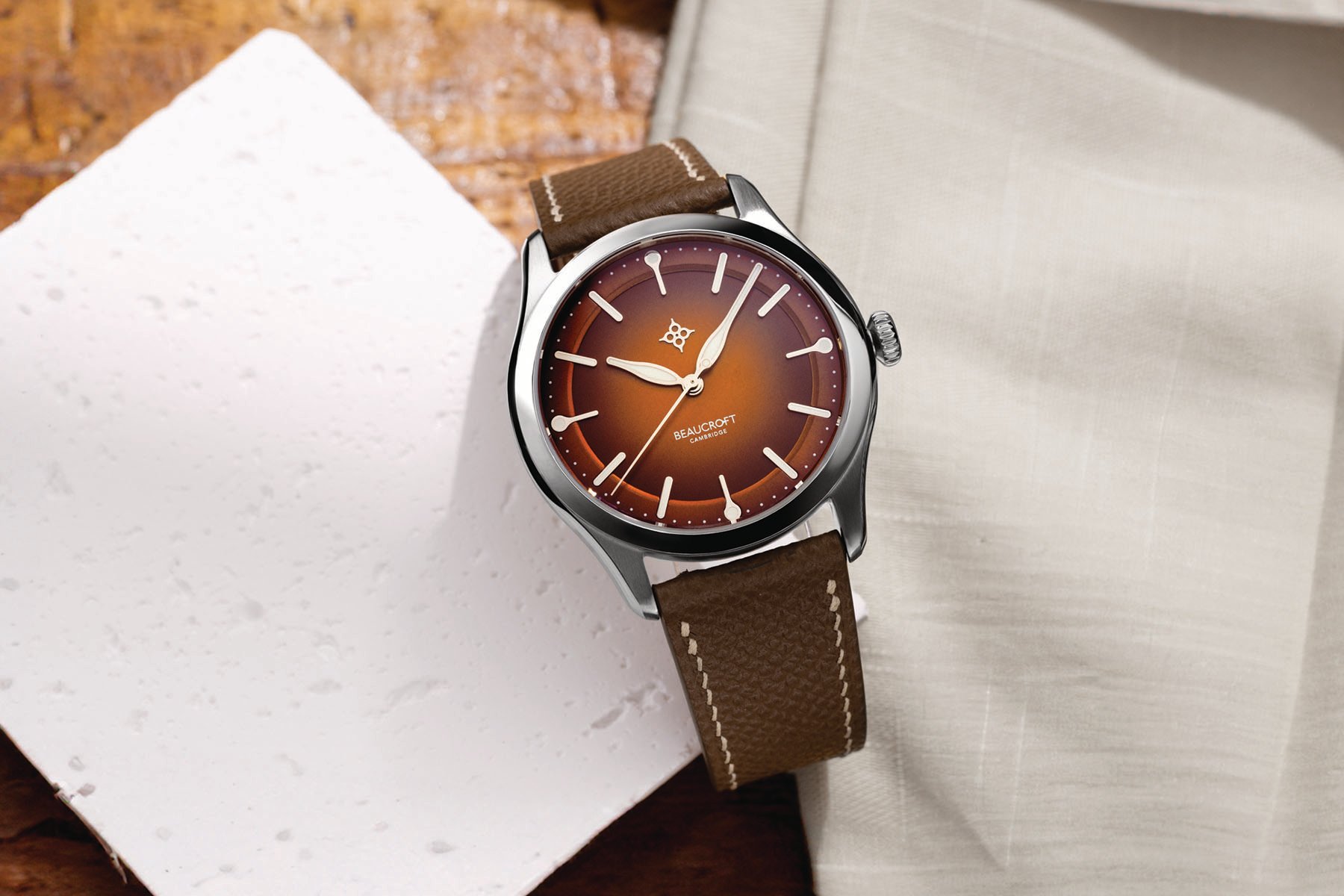
Beaucroft Built an Everyday Watch Without Hedging on What That Means
Three outlets looked at the Arc and all arrived at the same uncomfortable conclusion: the excuses for not owning something this considered are running out.
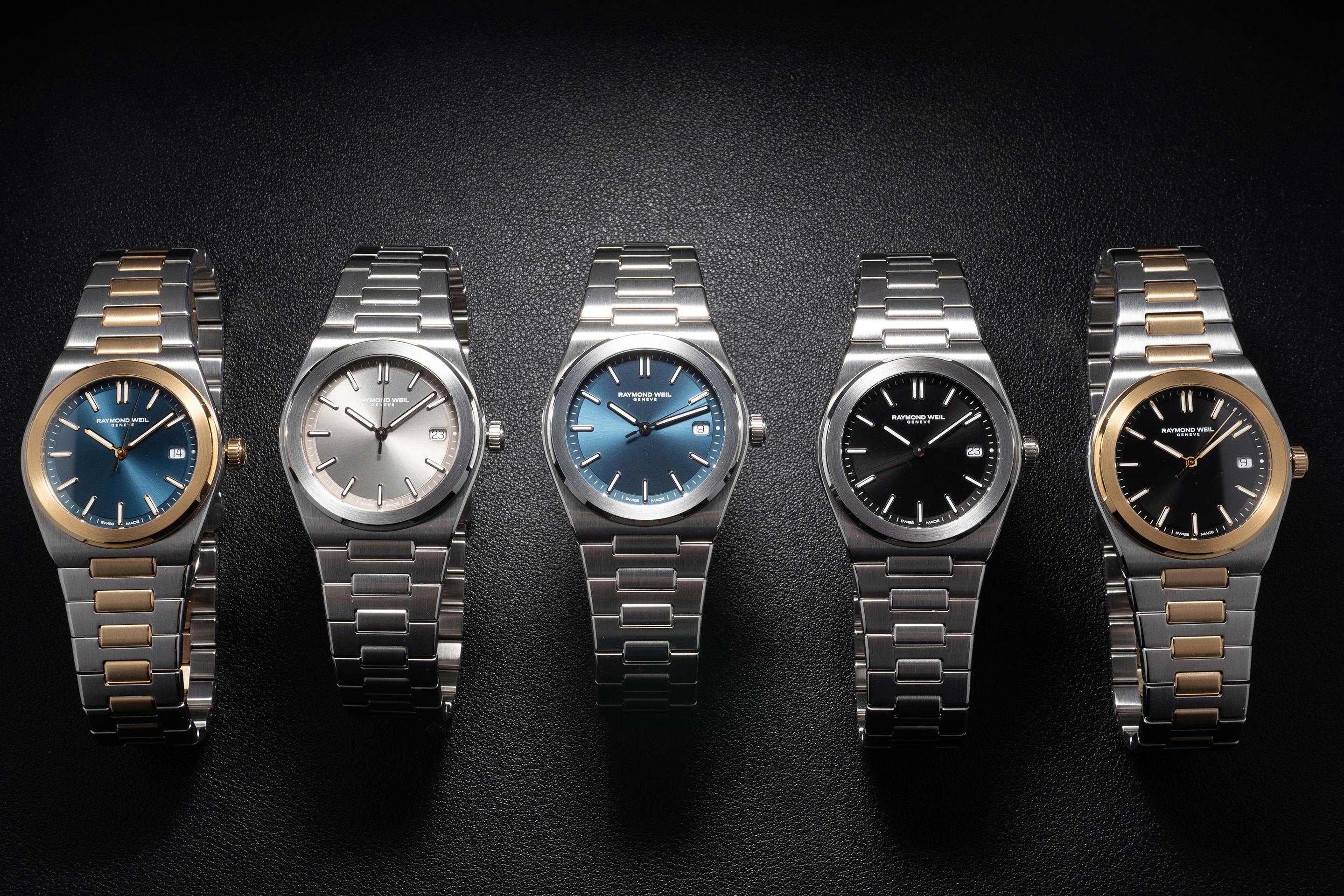
Raymond Weil Spent Half a Century Not Doing This
The A.R.T. collection isn't just a new watch — it's a brand finally deciding the integrated-bracelet category belongs to everyone.
From the other desks.

Boreham Built a New Escort From Nothing and Called It the Original
At £300,000, the Boreham Escort RS isn't nostalgia — it's a philosophical argument with a 10,000rpm redline.

Win Enough and the Scoreboard Stops Meaning What It Said
A writer at Boardroom just named the trap every great athlete eventually falls into — and once you see it, you can't watch sports the same way again.
SpaceX Wants to Build the Cloud Above the Cloud
Orbital data centers sound like a punchline until you see the factory floor.