A Texas Judge Just Told the NCAA to Sit Down
Brendan Sorsby bet on his own team, checked into rehab, and still won in court — and that says everything about who holds power now.

Photo · Latest Headlines - The Athletic
There's a version of this story where the NCAA wins. Where a quarterback who allegedly wagered on his own team's games gets banned, the lesson gets learned, and the machinery moves on. That version no longer exists.
On Monday, a Lubbock County district court judge named Ken Curry ordered the NCAA to declare Texas Tech quarterback Brendan Sorsby immediately eligible for the 2026 season. The ruling, reported by both Sportico and Defector, came after Curry found that Sorsby would suffer irreparable harm if the injunction was denied. The NCAA's punishment — effectively a ban from college athletics — got overridden not by an appeals committee or a reform vote, but by a state court in West Texas.
Let that sit for a second.
What Actually Happened Here
Sorsby transferred to Texas Tech from Cincinnati in January, a move that reportedly came with a $6 million NIL arrangement. Word then broke that he was under NCAA investigation for gambling — not just on sports generally, but allegedly on his own team's games and, per Defector's account, on things as granular as balls and strikes thrown by Cincinnati Reds pitchers. He subsequently entered a residential rehab facility for gambling addiction treatment. The NCAA ruled him ineligible. He sued. He won — at least for now, with Judge Curry's temporary injunction in place, though Sorsby is barred from game-day activities for the Red Raiders' first two games of the season.
The legal mechanism matters. "Irreparable harm" is the threshold a court needs to grant a temporary injunction, and a judge decided that sitting out college football games clears that bar. Whatever you think of Sorsby's conduct, that's a significant legal concession — and the NCAA is the one who had to absorb it.
The Wound That Won't Close
The Athletic noted that this case reopened something uncomfortable for Iowa head coach Kirk Ferentz, whose program went through its own NCAA gambling investigation involving multiple athletes three years ago. That context isn't incidental. It's the pattern. Gambling violations have become one of the most contested enforcement categories in college sports, and the NCAA's ability to adjudicate them with any finality is eroding in real time.
The Sorsby case isn't really about one quarterback. It's about what happens when an athlete, backed by a $6 million NIL deal and the legal resources that kind of money enables, decides to fight instead of accept. The NCAA has operated for decades on the assumption that most athletes couldn't afford to challenge it in court — not financially, not practically, not emotionally. NIL changed the math. The transfer portal changed the stakes. And now a district court judge in Lubbock, Texas, has changed the ceiling.
This is what the governance crisis looks like when it stops being theoretical. Not a congressional hearing, not a reform proposal, not a task force. A judge with jurisdiction and a willing plaintiff and a standard of harm that college athletics, apparently, meets.
Sorsby still can't play in the first two games. The injunction is temporary. The NCAA will almost certainly appeal or maneuver. None of that changes what already happened: the organization that has governed college athletics for over a century just got told no by a county court, and the quarterback is suiting up.
The next athlete in a dispute this size already knows the play.
Keep reading sports.
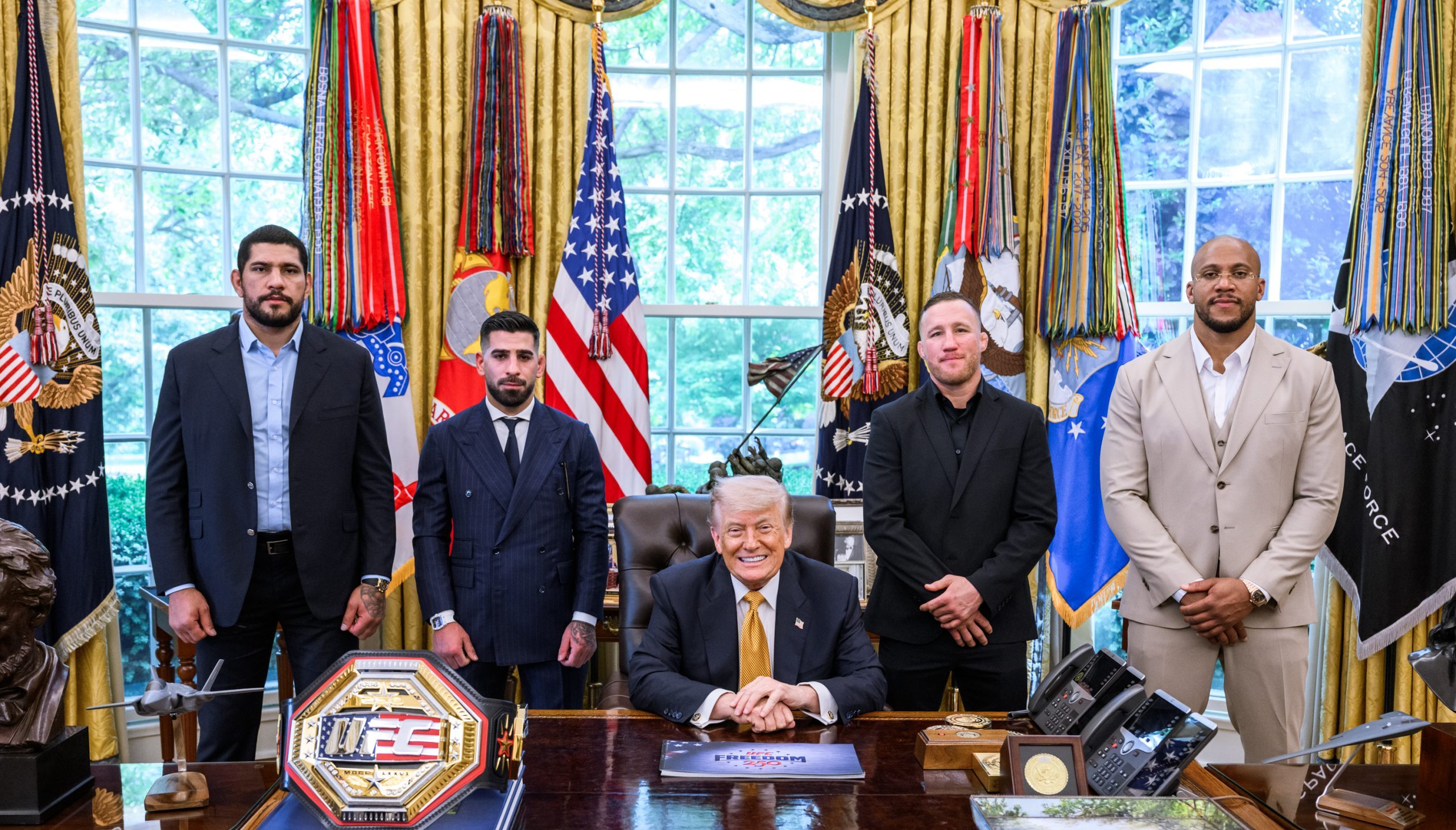
Dana White Said 'Super Bowl Numbers.' Someone Should Tell Paramount+.
When a promoter's hype outpaces what any single streamer can deliver, the credibility gap stops being a personality quirk and starts being a structural problem.
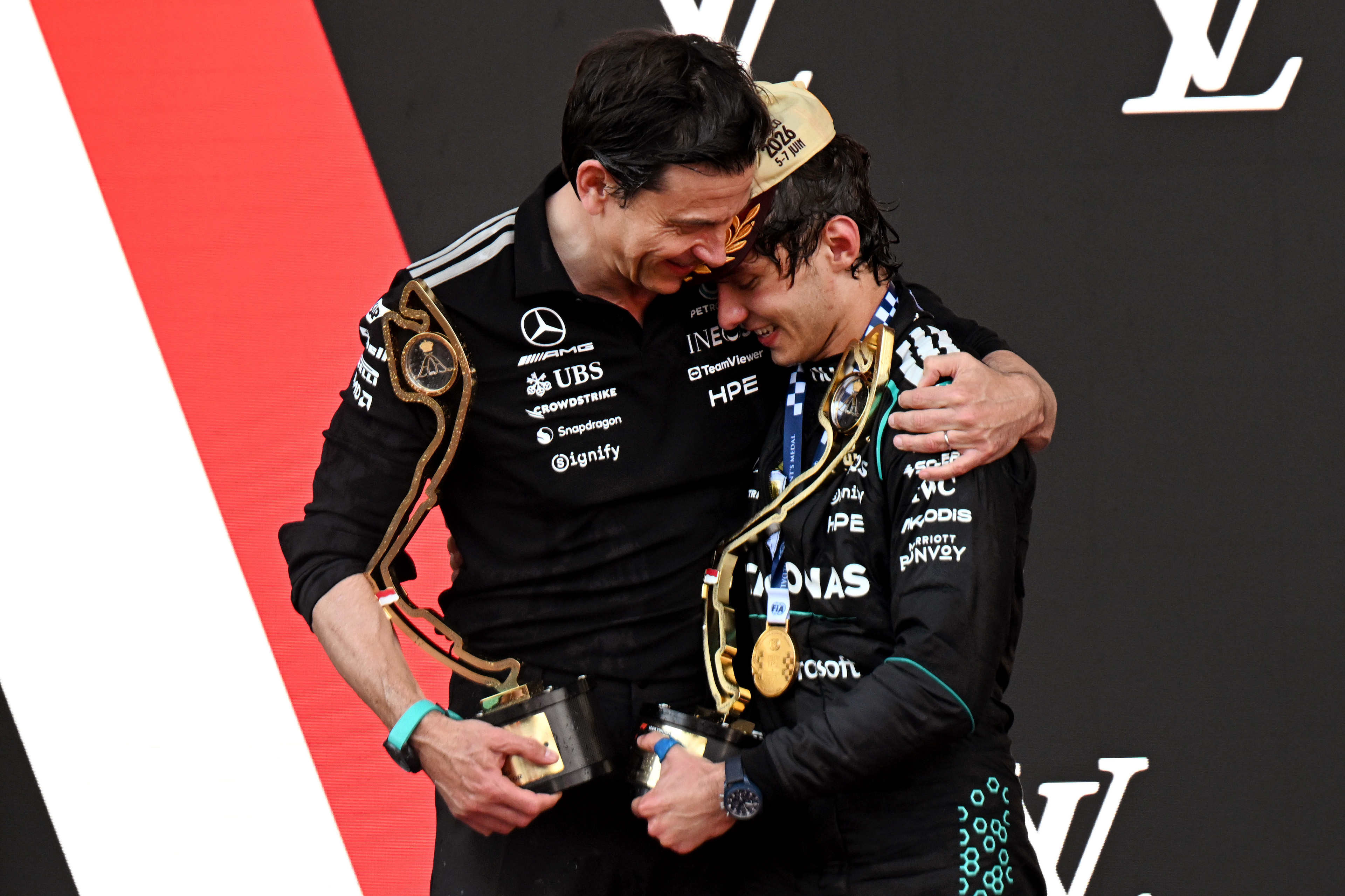
Seven Decades of Trying to Fix Monaco, and Defector Just Called the Funeral
A writer at Defector has staked out the position that no regulation will ever save Monaco — and the uncomfortable part is how hard it is to argue back.

Three Million People Were Always Going to Watch. Someone Just Had to Turn the Camera On.
Texas beat Texas Tech to win back-to-back national titles, and the record viewership wasn't a surprise — it was a reckoning.
From the other desks.
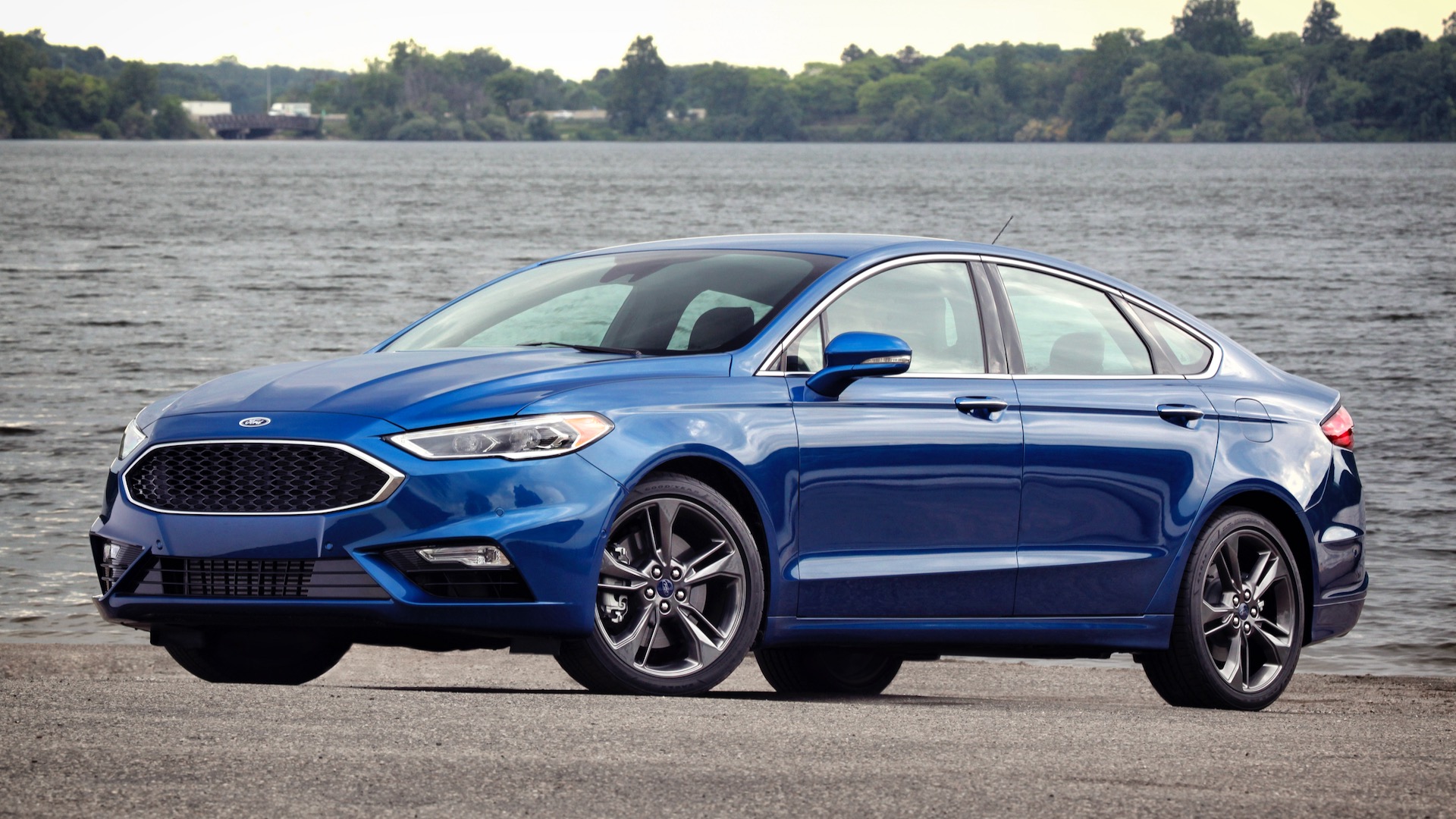
Ford Killed the Sedan, Then Left the Door Unlocked
When a company calls a category decision 'absolutely' right and then floats a reversal, you're not reading a market verdict — you're reading a balance sheet.
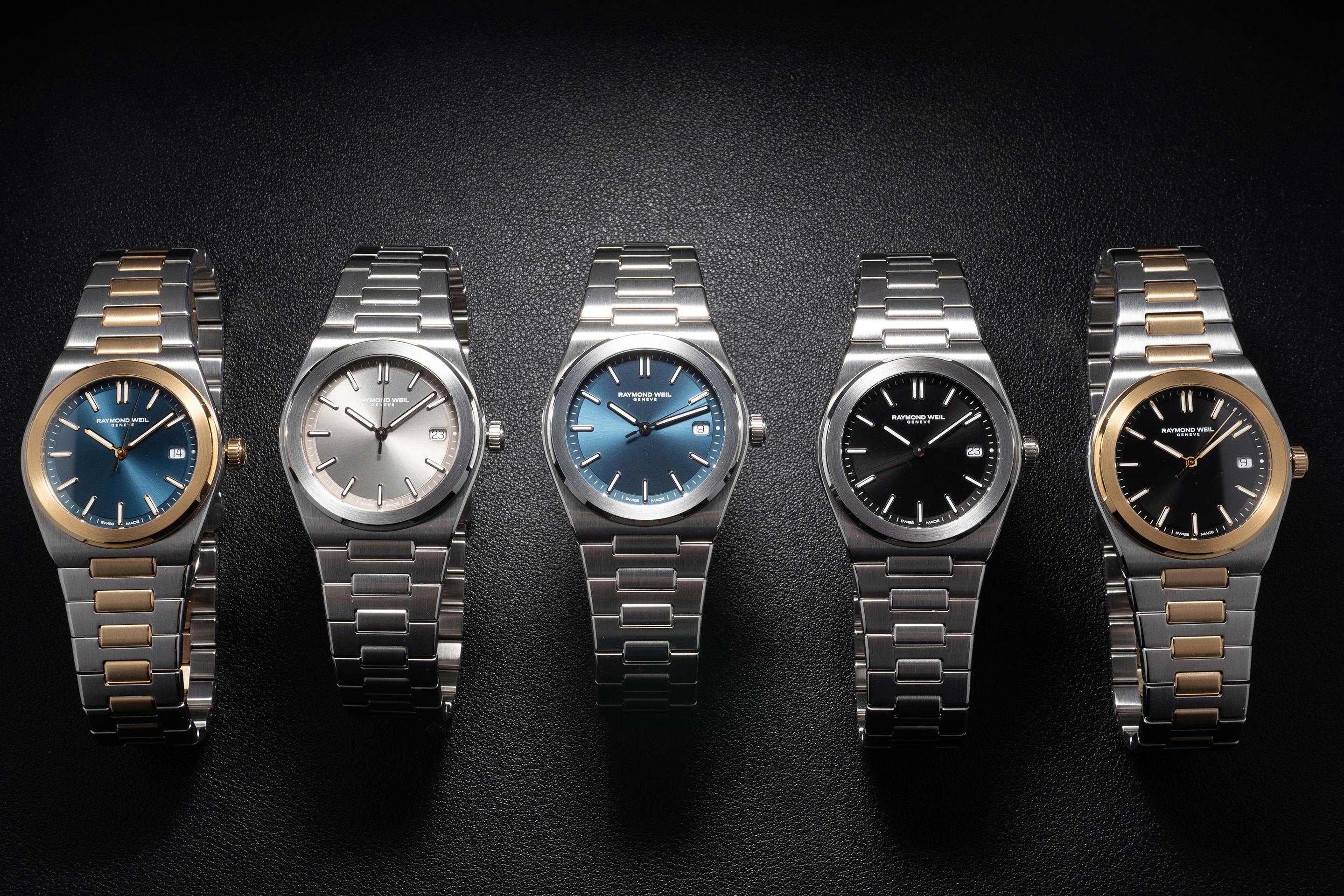
Raymond Weil Spent Half a Century Not Doing This
The A.R.T. collection isn't just a new watch — it's a brand finally deciding the integrated-bracelet category belongs to everyone.

Sam Altman Filed the Paperwork. The Mission Statement Didn't.
OpenAI just told the SEC it wants to go public. It hasn't told anyone what happens to existential caution when the lockup expires.