Seven Decades of Trying to Fix Monaco, and Defector Just Called the Funeral
A writer at Defector has staked out the position that no regulation will ever save Monaco — and the uncomfortable part is how hard it is to argue back.
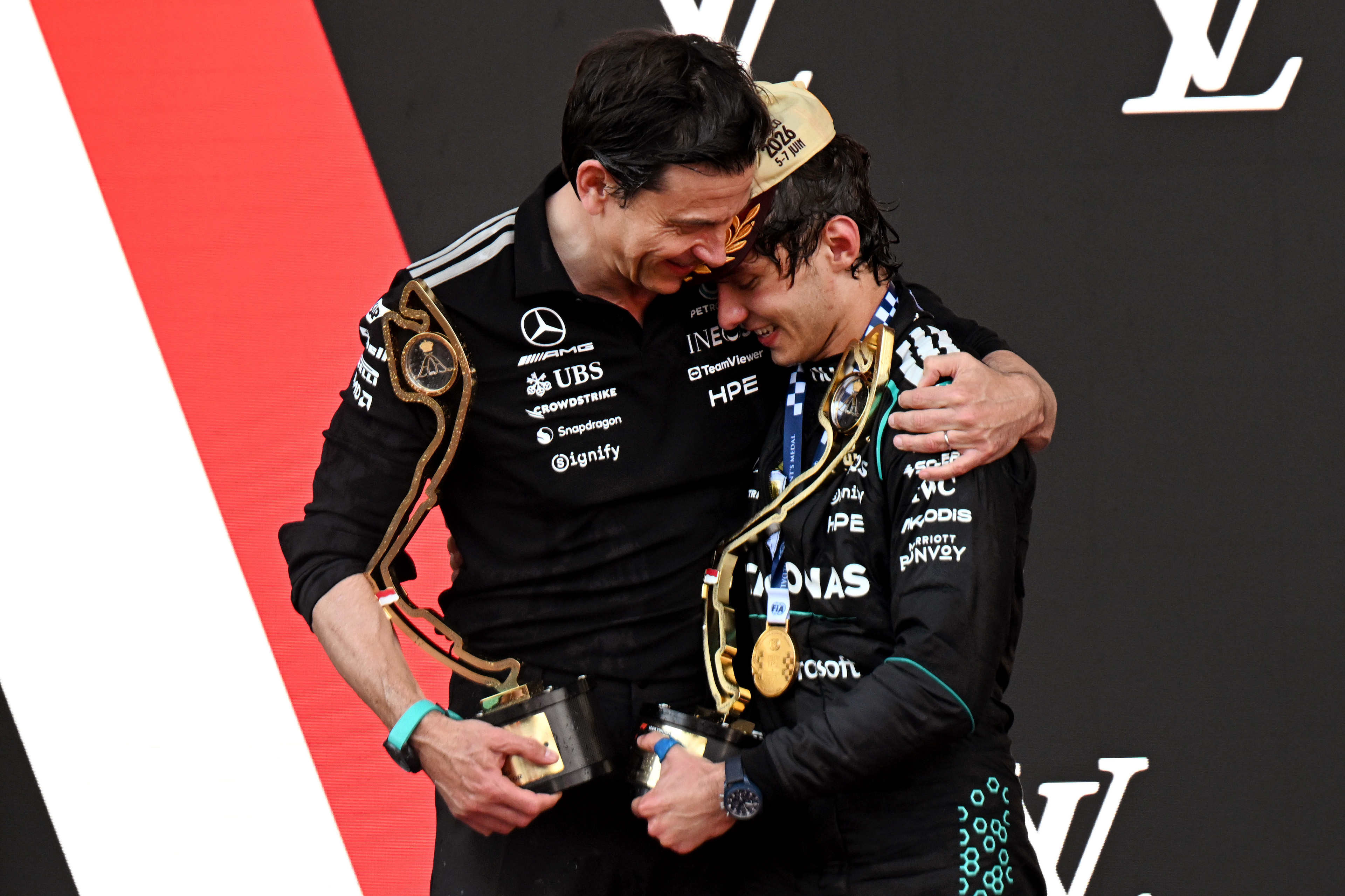
Photo · Defector
There's a particular kind of institutional stubbornness that outlasts every attempt to correct it. You can see it in certain sports franchises, certain fashion houses, certain city governments. The structure becomes the product. The resistance to change becomes the identity. And at some point, the people running the thing start to believe that the resistance is the thing.
A writer at Defector has run out of patience with Monaco.
The piece doesn't dress it up. The FIA extended its experiment another year, adjusted the regulations, brought in slightly smaller cars, and Sunday still delivered what Sunday at Monaco tends to deliver: a procession. The author's proposed solution — renaming the event the Monaco Qualifying Prix — is a joke, but it's the kind of joke that contains a real argument. If the session everyone actually enjoys is qualifying, maybe that's the event.
The Engineering Trap
What makes the Defector take interesting isn't the frustration — that's been ambient for years — it's the structural diagnosis underneath it. The tension between designing cars to go fast and designing cars that can actually pass each other has, on this particular strip of asphalt, produced neither. The FIA keeps pulling levers. The levers don't reach Monaco.
This is worth sitting with. Regulatory bodies tend to operate on the assumption that the right rule change will unlock the right outcome. It's a reasonable assumption at most circuits. Monaco is 78 corners — or whatever the actual count is, which the source doesn't specify and neither will I — carved into a hillside city that was never designed for motorsport in the first place. The track doesn't respond to regulation the way a purpose-built circuit does. It responds to nothing. It just is.
The double pit stop experiment from last year, which the author flags as the previous failed intervention, is exactly the kind of thing that sounds clever in a boardroom and dissolves on contact with the reality of the street circuit. Pit strategy requires racing gaps. If the gaps aren't there — and at Monaco, they mostly aren't — the strategy becomes academic.
What the Piece Is Really Saying
The Defector writer offers a kind of escape valve: the entertainment, when it exists, comes either from racing so bad it wraps around to fun, or from the adjacent spectacle — other sessions, celebrity noise, whatever your media diet provides. That's a more honest framing than most outlets are willing to publish. It concedes that the actual sport, on this weekend, may not be the draw.
And that's the thing that should bother anyone who cares about Formula 1 more than they care about the Monaco brand. The race has become a context for other things. The boats, the parties, the famous faces in the paddock — none of that is racing. It's a setting. And settings don't need competition to justify themselves; they just need to keep being themselves.
The FIA's continued tinkering suggests they haven't accepted that yet. Or they have accepted it and can't say so publicly, because admitting that Monaco is unfixable means admitting the experiment isn't really about the racing anymore. It's about the calendar slot, the history, the postcard.
A writer at Defector just said that out loud.
The uncomfortable question — the one hanging over every future press release about new regulations and adjusted car dimensions — is whether any of this is still about the racing, or whether Monaco figured out a long time ago that it doesn't need to be.
Keep reading sports.

Dana White Said 'Super Bowl Numbers.' Someone Should Tell Paramount+.
When a promoter's hype outpaces what any single streamer can deliver, the credibility gap stops being a personality quirk and starts being a structural problem.

A Texas Judge Just Told the NCAA to Sit Down
Brendan Sorsby bet on his own team, checked into rehab, and still won in court — and that says everything about who holds power now.

Three Million People Were Always Going to Watch. Someone Just Had to Turn the Camera On.
Texas beat Texas Tech to win back-to-back national titles, and the record viewership wasn't a surprise — it was a reckoning.
From the other desks.
Ford Killed the Sedan, Then Left the Door Unlocked
When a company calls a category decision 'absolutely' right and then floats a reversal, you're not reading a market verdict — you're reading a balance sheet.

Raymond Weil Spent Half a Century Not Doing This
The A.R.T. collection isn't just a new watch — it's a brand finally deciding the integrated-bracelet category belongs to everyone.

Sam Altman Filed the Paperwork. The Mission Statement Didn't.
OpenAI just told the SEC it wants to go public. It hasn't told anyone what happens to existential caution when the lockup expires.