Three Million People Were Always Going to Watch. Someone Just Had to Turn the Camera On.
Texas beat Texas Tech to win back-to-back national titles, and the record viewership wasn't a surprise — it was a reckoning.

Photo · Latest Headlines - The Athletic
The Room Was Already Full
Imagine building a stadium and then spending years arguing about whether anyone would show up. Then one day you open the doors, and the seats are packed before the first pitch. You stand there, clipboard in hand, genuinely stunned — as if the people weren't already standing outside the whole time.
That's more or less where women's sports finds itself right now. And the Women's College World Series finals between Texas and Texas Tech just made the point in the plainest language possible: numbers.
Game 2 of the WCWS finals — the one where the Longhorns won 4-1 to secure their second consecutive national championship — averaged 2.5 million viewers on ESPN and peaked at 3 million, according to Front Office Sports. The Athletic reported it as the most-watched college softball game on record. Both of those facts are worth sitting with, because together they say something that no press release ever quite manages to say cleanly: the audience was never the problem.
What a Record Actually Means
Records in sports viewership get announced like achievements. And sure, they are — but this one feels less like a ceiling being raised and more like a floor being found. Three million people tuning into a college softball game on a weeknight isn't a fluke or a novelty. It's evidence of a demand that has been running quietly in the background for years, waiting for the infrastructure — the broadcast slot, the promotion, the prime placement — to finally treat it like it mattered.
Texas and Texas Tech aren't programs you need to explain to anyone who follows the sport. A rematch in the finals, a defending champion defending again, a 4-1 Game 2 that closed out the series — that's a story with stakes. It has the architecture of something worth clearing your schedule for. And 2.5 million people, on average, cleared their schedules.
The thing about appointment television is that it requires two parties to agree. The audience has to decide the event is worth their time. But the broadcaster has to decide first — has to commit the slot, build the hype, put the thing somewhere people can find it. For a long time, women's sports got the back end of that deal. The audience would show up when the infrastructure did. The infrastructure kept waiting for proof the audience existed.
Somebody blinked. And now we have a record.
Texas, Again
It's worth saying plainly: Texas won. Back-to-back national titles. Game 2, 4-1. That's not a footnote — that's the whole reason anyone was watching. Championships have gravity. Repeat championships have more. There's something about a program defending what it built that turns casual viewers into invested ones, that makes a Tuesday night feel like it has weight.
I keep thinking about what it means to be a young softball player watching that game. Not just the outcome, but the production of it — the broadcast, the viewership numbers that will filter through social media by morning, the fact that this game is now on record. Records get remembered. They get cited. They become the thing a sport points to when it's making its case.
Texas Tech was there too, fighting for it, and that matters. A final needs two teams willing to treat it like one. A 4-1 game isn't a blowout — it's a contest with a clear winner, which is exactly what a championship game should be.
The Audience Never Left
Here's what I keep coming back to: the 3 million people who peaked into Game 2 didn't materialize from nowhere. They were already there — watching on whatever screen they could find, following the sport through whatever coverage existed, showing up even when the coverage didn't show up for them.
Viewership records in women's sports have been falling in a kind of cascade lately, each one treated as a surprise by the people keeping count. At some point, the surprise itself becomes the story. Why are we still shocked? The audience was never waiting for permission to care. It was waiting for the camera to care first.
Three million people watched Texas win a softball championship. It's a record. It shouldn't still be a revelation.
But it is. And that gap — between what the audience is ready to give and what the industry has historically been willing to ask for — is where the real story lives. Not in the box score. Not even in the trophy. In the distance between what we've been told women's sports could draw, and what happens when you actually let them try.
Keep reading sports.

Dana White Said 'Super Bowl Numbers.' Someone Should Tell Paramount+.
When a promoter's hype outpaces what any single streamer can deliver, the credibility gap stops being a personality quirk and starts being a structural problem.

Seven Decades of Trying to Fix Monaco, and Defector Just Called the Funeral
A writer at Defector has staked out the position that no regulation will ever save Monaco — and the uncomfortable part is how hard it is to argue back.

A Texas Judge Just Told the NCAA to Sit Down
Brendan Sorsby bet on his own team, checked into rehab, and still won in court — and that says everything about who holds power now.
From the other desks.
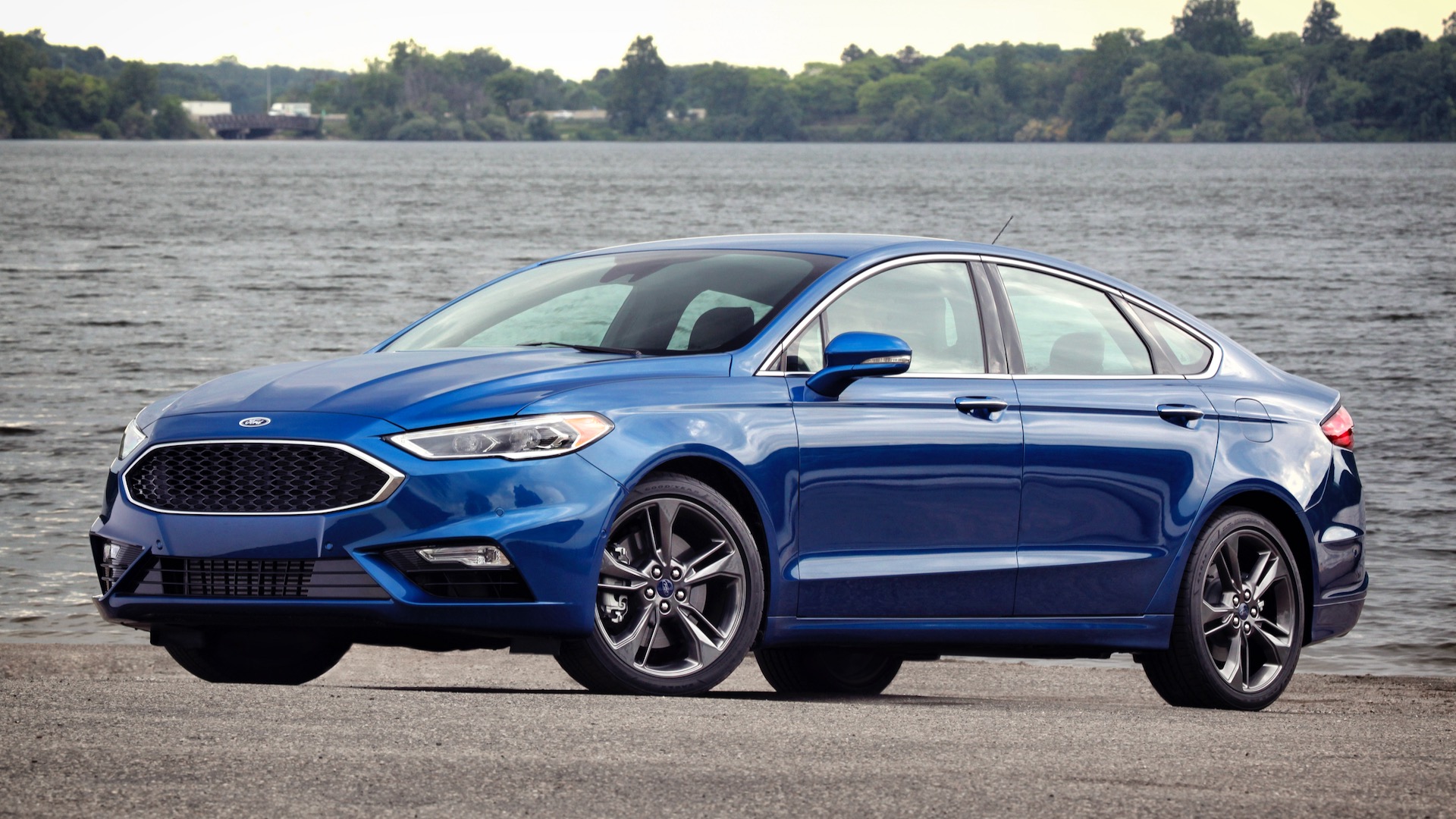
Ford Killed the Sedan, Then Left the Door Unlocked
When a company calls a category decision 'absolutely' right and then floats a reversal, you're not reading a market verdict — you're reading a balance sheet.
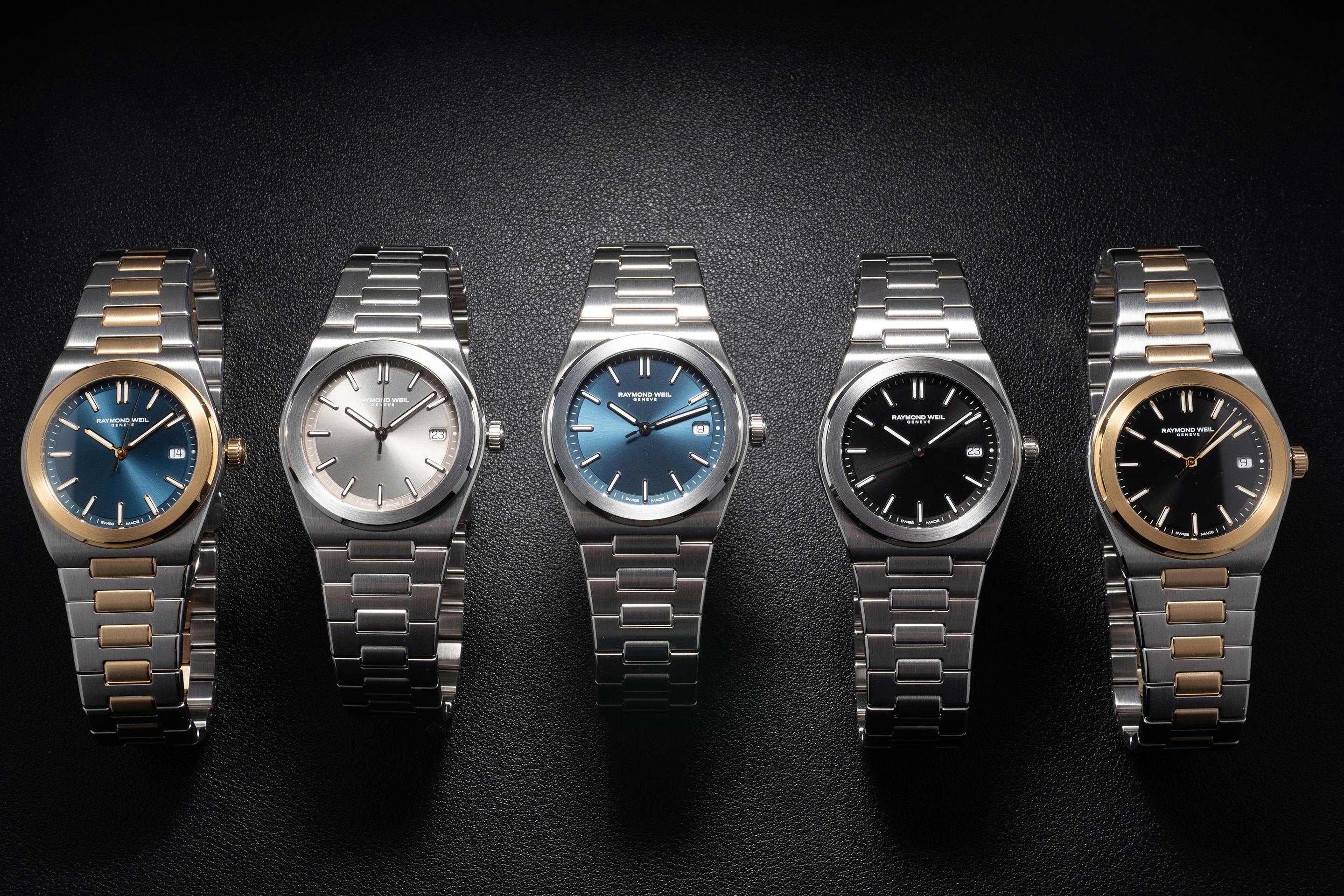
Raymond Weil Spent Half a Century Not Doing This
The A.R.T. collection isn't just a new watch — it's a brand finally deciding the integrated-bracelet category belongs to everyone.

Sam Altman Filed the Paperwork. The Mission Statement Didn't.
OpenAI just told the SEC it wants to go public. It hasn't told anyone what happens to existential caution when the lockup expires.