Anthropic Made Two Models and Named Only One 'Safe'
When the company that invented the 'too dangerous to release' category releases a tamer version and calls it the same thing, someone should ask what exactly the guardrails are guarding.

Photo · The Verge
There's a move companies make when they have something they can't quite defend publicly. They release a version of the thing, call it the thing, and hope nobody does the math.
Anthropic just did the math for us, out loud, in a press release.
The company has two Claude models in the Mythos class right now. One — Claude Mythos 5 — goes to what Wired described as "trusted organizations" and cybersecurity partners, including, according to 9to5Mac, Apple. The other — Claude Fable 5 — goes to everyone else. Fable, Anthropic says, comes equipped with new safeguards that block responses in specific high-risk areas, cybersecurity and biology among them. The Verge noted that Anthropic's position is that the release was "made possible" by those safeguards — implying, without quite stating, that Mythos without them was not.
So the question that nobody in the coverage seems to have pressed very hard: what exactly separates a model that is "too dangerous to release publicly" from one that isn't?
The answer, apparently, is a filter.
The Guardrail as Product Feature
This is where the tech cycle gets interesting, and not in a good way. Anthropic spent real credibility in April when it announced Mythos and declined to release it publicly on safety grounds. That was a notable move — an AI company voluntarily withholding a product because it was too capable at cyberattacks. You don't see that framing often. It sounded like a company with genuine conviction about the gap between capability and responsibility.
Now Fable arrives, and the pitch is: same class, new guardrails, safe for general use. TechCrunch described it as "a version of Mythos the public can access today," which is accurate but also a little jarring when you set it next to the April announcement. The thing that was too dangerous is now available, with asterisks.
Maybe those asterisks represent real engineering. Anthropic says Fable shows "exceptional performance in software engineering, knowledge work, and vision," and that its lead over other models grows as tasks get longer and more complex. That's a strong claim, and if the safety constraints are genuinely robust, then releasing Fable is actually the responsible move — containment through architecture rather than just withholding.
But here's the problem with that framing: we're being asked to trust the same organization that defines the risk to also certify that the risk has been adequately mitigated. The guardrails are Anthropic's. The assessment of whether they work is Anthropic's. The decision about who gets the unguarded version is also Anthropic's.
Trusted Organizations, Undefined
The defense contractor angle is the part that deserves more scrutiny than it's getting. Mythos 5 — the full version, the one without the public-facing blocks — is going to cybersecurity partners. 9to5Mac reported Apple is among them. That's a significant detail, not because Apple is a bad actor, but because "trusted organization" is doing a lot of work in that sentence, and nobody has defined what trust means in this context, what oversight looks like, or who audits whether the unfiltered model gets used the way it's supposed to.
This is where AI safety stops being a philosophical conversation and becomes an institutional one. The question isn't whether Anthropic means well. It's whether "we gave it to vetted partners" is a governance framework or a handshake.
The coverage across The Verge, Wired, TechCrunch, and 9to5Mac all treated the Fable release as a product story. That's fair — it is a product story. But running underneath it is a more uncomfortable one: Anthropic has now established a two-tier model release structure where capability and access are decoupled by who you are, and the criteria for that decoupling live entirely inside Anthropic.
Guardrails built by the people selling the product have a name in every other industry. We just don't usually call them safety.
Keep reading tech.
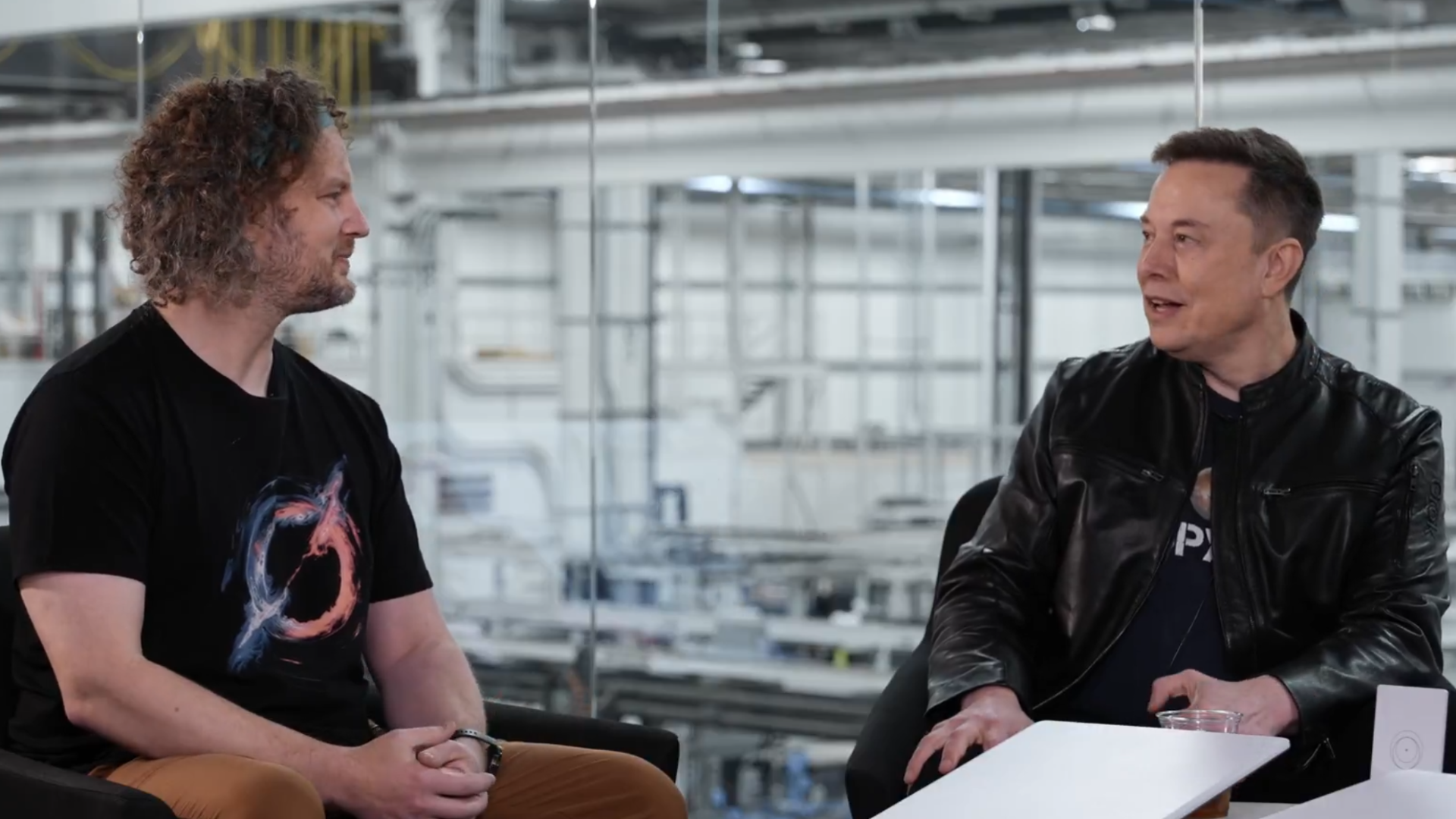
SpaceX Wants to Build the Cloud Above the Cloud
Orbital data centers sound like a punchline until you see the factory floor.

Apple's Privacy Story Has Two Endings Depending on Where You Live
Siri gets smarter, photos get faker, and Europe gets a shrug — all from the company that built its brand on doing things differently.

Donut Lab Raised $1.25 Billion on a Battery That Wasn't
A Finnish startup's solid-state miracle turned out to be a lithium-ion battery with a better publicist.
From the other desks.

Boreham Built a New Escort From Nothing and Called It the Original
At £300,000, the Boreham Escort RS isn't nostalgia — it's a philosophical argument with a 10,000rpm redline.
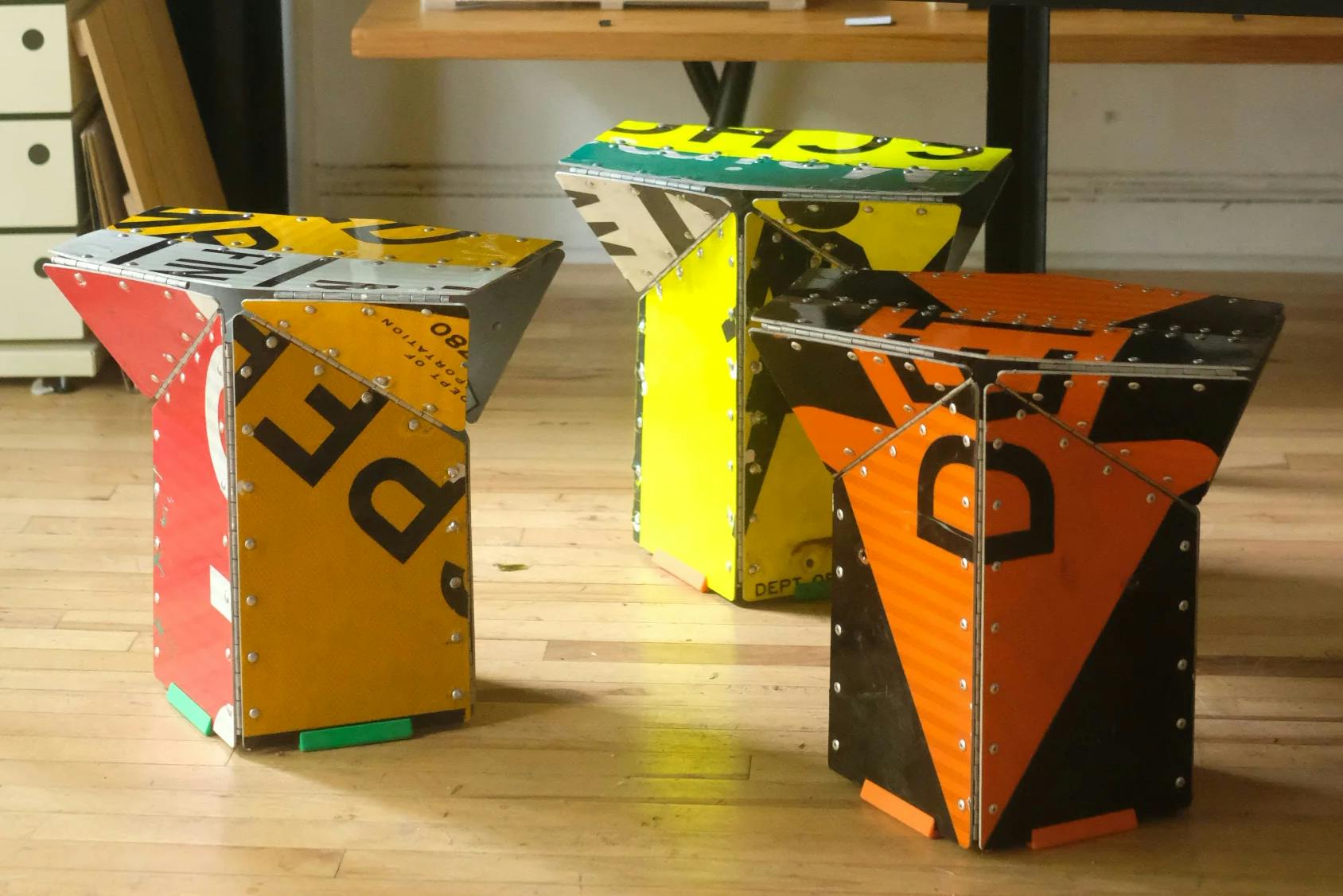
Heron Preston Turned New York Street Signs Into Something You Sit On
When a streetwear designer starts making furniture from salvaged city infrastructure, the category lines aren't blurring — they're gone.
Win Enough and the Scoreboard Stops Meaning What It Said
A writer at Boardroom just named the trap every great athlete eventually falls into — and once you see it, you can't watch sports the same way again.