Apple Borrowed the Brain and Kept the Logo
At Tim Cook's final WWDC, Apple admitted the thing it never admits — and dressed the confession in a product launch.

Photo · The Verge
The Ritual
Every June, the faithful gather. Not literally — not most of them — but in the way people gather around anything that has shaped the texture of their daily life. The keynote is a kind of annual reckoning: here is what we built, here is what we fixed, here is proof we're still ahead of whatever you were worried about. Apple does this better than anyone. The production, the pacing, the careful choreography of applause lines. You know you're being managed and you let it happen anyway, because usually there's something real underneath the theater.
This year, at what sources confirm is Tim Cook's final WWDC keynote as CEO, the something real was harder to look at directly.
Apple announced what it's calling Siri AI — described in the MacRumors coverage as an "entirely new version" of the assistant — and framed it with a line that deserves a longer stare than it got: that "there are times when you expect more from Siri." That's the most careful corporate sentence I've read in a while. Translated: you were right to be frustrated, we know you were right, we're not going to say that plainly, but here.
What's Actually New
The features themselves are real. Siri AI can now hold multi-turn conversations, access on-screen context, interact with apps across the system, and draw on personal data — messages, emails, calendar, the whole stack. Its voice is more expressive and can be tuned during setup. Conversation history syncs across devices via iCloud, so you can start something on your phone and continue it on your Mac. MacRumors reports that on macOS, those conversations can be initiated directly from Spotlight, the same Command+Space prompt people have used for years to launch apps and find files — the distinction between searching and prompting now collapsed into a single field.
Elsewhere, the performance numbers are the kind that look good in a slide deck and feel better in your hands: apps launching up to 30 percent faster, AirDrop transfers up to 80 percent faster, new iCloud Photos appearing up to 70 percent faster. Apple also says it rebuilt its search infrastructure from scratch — a quiet acknowledgment that TechCrunch surfaced more directly, noting that Apple says it has fixed the search function for emails and photos. The word "fixed" is doing a lot of work there. Search on Apple devices has been quietly terrible for years. Admitting it needed a full rebuild is, by Apple standards, almost confessional.
There's also a custom EQ for AirPods, a redesigned Screen Time with parental controls based on guidelines from the American Academy of Pediatrics, and — a small mercy — an opacity slider for the Liquid Glass UI elements that Apple introduced in iOS 26. Apparently enough people found the glassy aesthetic hard to read that Apple built a knob to turn it down. Good.
The Architecture Nobody Is Supposed to Notice
Here is where it gets interesting.
MacRumors reported that the new Apple Intelligence architecture — the foundation underneath all of it, underneath Siri AI and the reasoning and the image generation — is built around foundation models co-developed with Google, using technologies from the Gemini family. Apple is calling these "Apple Foundation Models," adapted to run on-device and through its Private Cloud Compute infrastructure. The collaboration is described as "deep."
Sit with that for a moment.
The company that has spent years building an identity around on-device processing, around the idea that your data stays with you and your intelligence stays local — that company is now running its AI brain on models built with Google. The same Google it competes with in browsers, in search, in maps, in mobile. The branding says Apple. The architecture says something more complicated.
I'm not arguing this is wrong. It might be the most honest thing Apple has done in this space. The on-device AI mythology was always partly marketing — a way to make privacy sound like a performance advantage when it was also, inconveniently, a capability constraint. Using Gemini-family models and routing them through Private Cloud Compute might actually deliver better privacy outcomes than the alternative: building slower, weaker, homegrown models and calling it a feature. The outcome could be better. The framing is still worth examining.
Because what Apple announced at WWDC 2026 is that it outsourced the reasoning and kept the interface. The voice is still Siri's voice. The glow is still Liquid Glass. The logo is still the apple. But the cognition — the part that was supposed to be the whole point of Apple Intelligence, the capability that justified two years of promises and delays and a Siri that famously couldn't do what it said it could — that came from somewhere else.
What the Cycle Teaches
I've watched enough of these keynotes to know the pattern. The announcement lands. The coverage breaks into two camps: the people cataloging every feature, and the people asking whether it matters. A few weeks later, the betas ship. Developers find the edges. Real users find the limitations. By September, the reality has settled into something quieter than the promise, and everyone moves on until next June.
What's different this time is the admission embedded in the launch. Two years ago, Apple promised a smarter Siri. It didn't deliver. Now it's relaunching Siri as Siri AI, with a new name and a new architecture and a partner it once positioned as an adversary. Tom's Guide called this Apple's biggest Siri update since 2011. That's a long gap between genuine leaps. It suggests the previous version wasn't incrementally behind — it was structurally limited in ways that couldn't be patched.
The question worth sitting with isn't whether Siri AI will be better. It probably will be. The question is what we believed about Apple that made us expect it to build this alone — and what it means that the company has quietly let that belief expire without a funeral.
Your phone is still your phone. The brain inside it just has a different origin story than the one you were sold.
Keep reading tech.

Sam Altman Filed the Paperwork. The Mission Statement Didn't.
OpenAI just told the SEC it wants to go public. It hasn't told anyone what happens to existential caution when the lockup expires.

Seventy Repositories Down, and the Exploit Was the Infrastructure
When Microsoft had to shut down its own GitHub presence to stop credential theft, it wasn't a breach of trust — it was proof the trust was already gone.
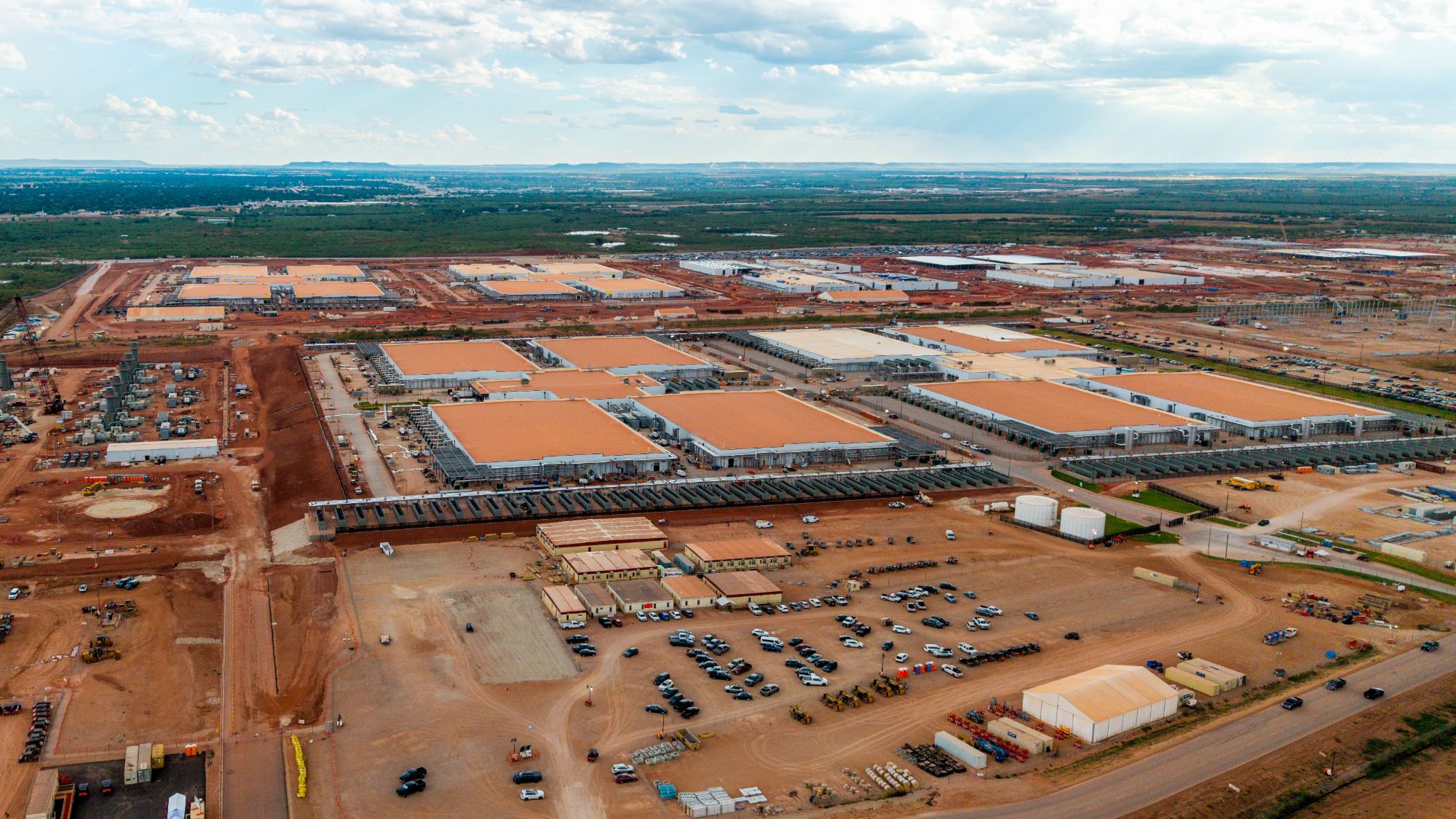
809 Projects, Two-Thirds in Drought, and Everyone Called It Progress
The infrastructure boom for AI has a permission structure nobody voted on — and it runs on the same water it's draining.
From the other desks.
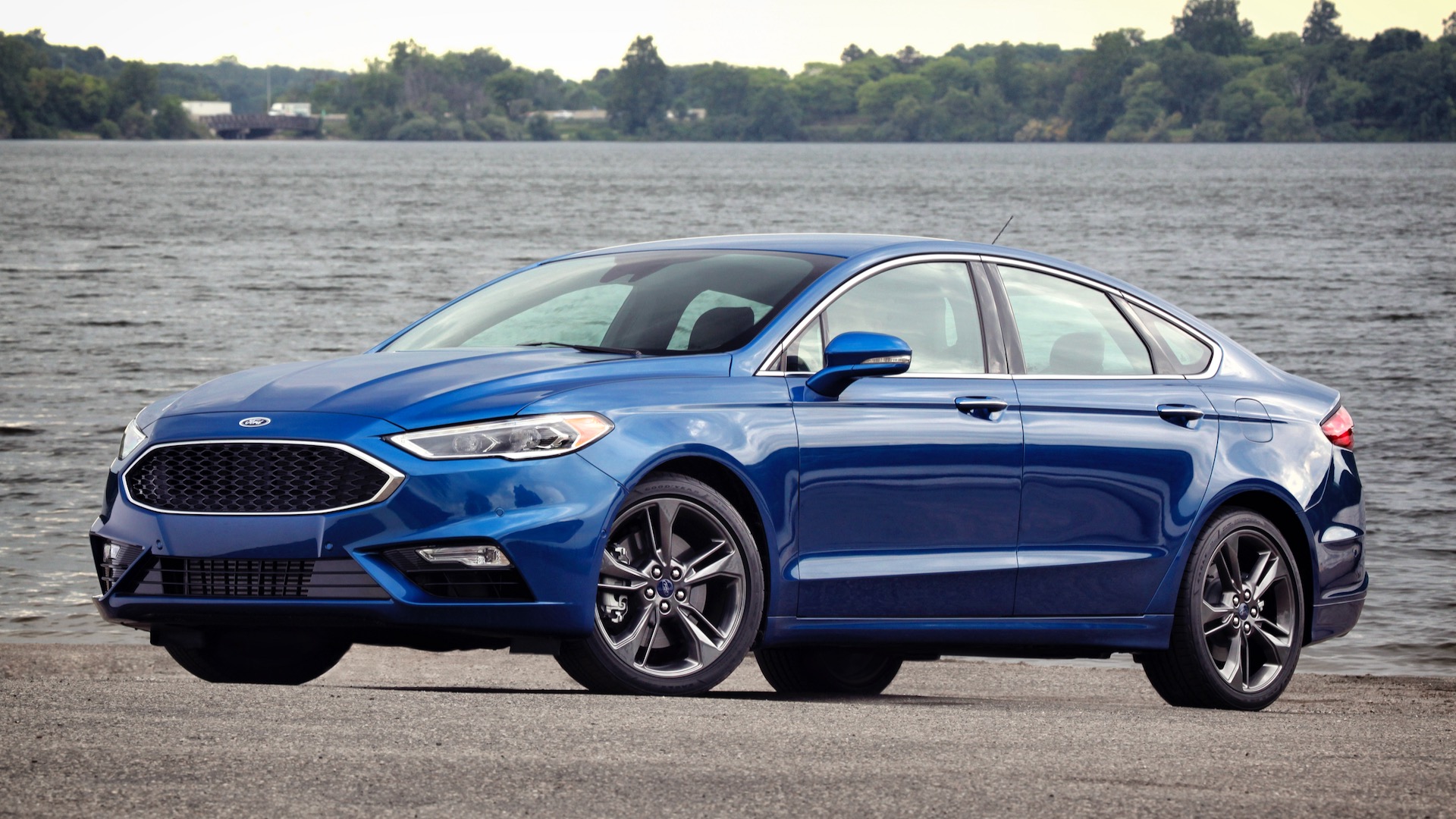
Ford Killed the Sedan, Then Left the Door Unlocked
When a company calls a category decision 'absolutely' right and then floats a reversal, you're not reading a market verdict — you're reading a balance sheet.
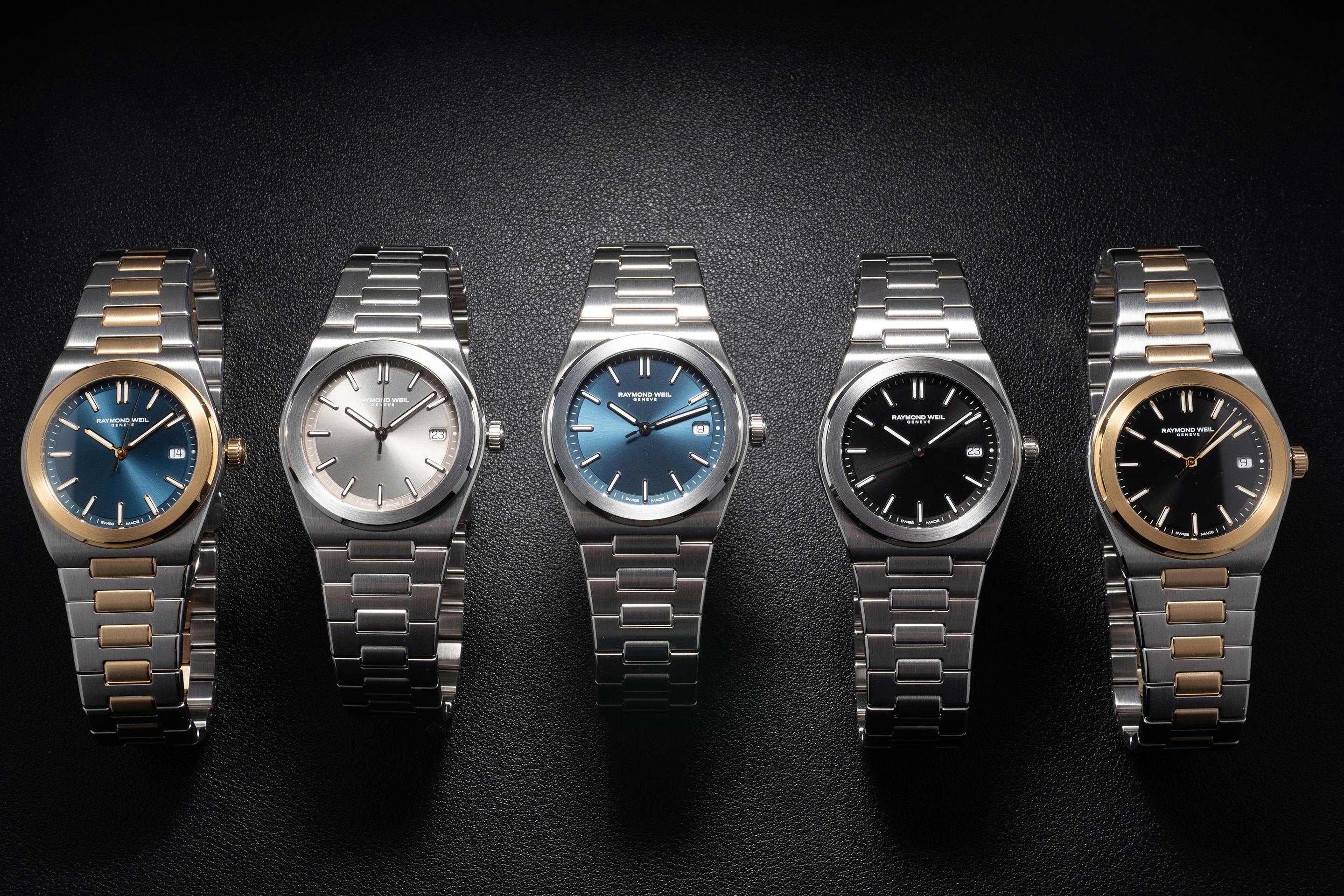
Raymond Weil Spent Half a Century Not Doing This
The A.R.T. collection isn't just a new watch — it's a brand finally deciding the integrated-bracelet category belongs to everyone.
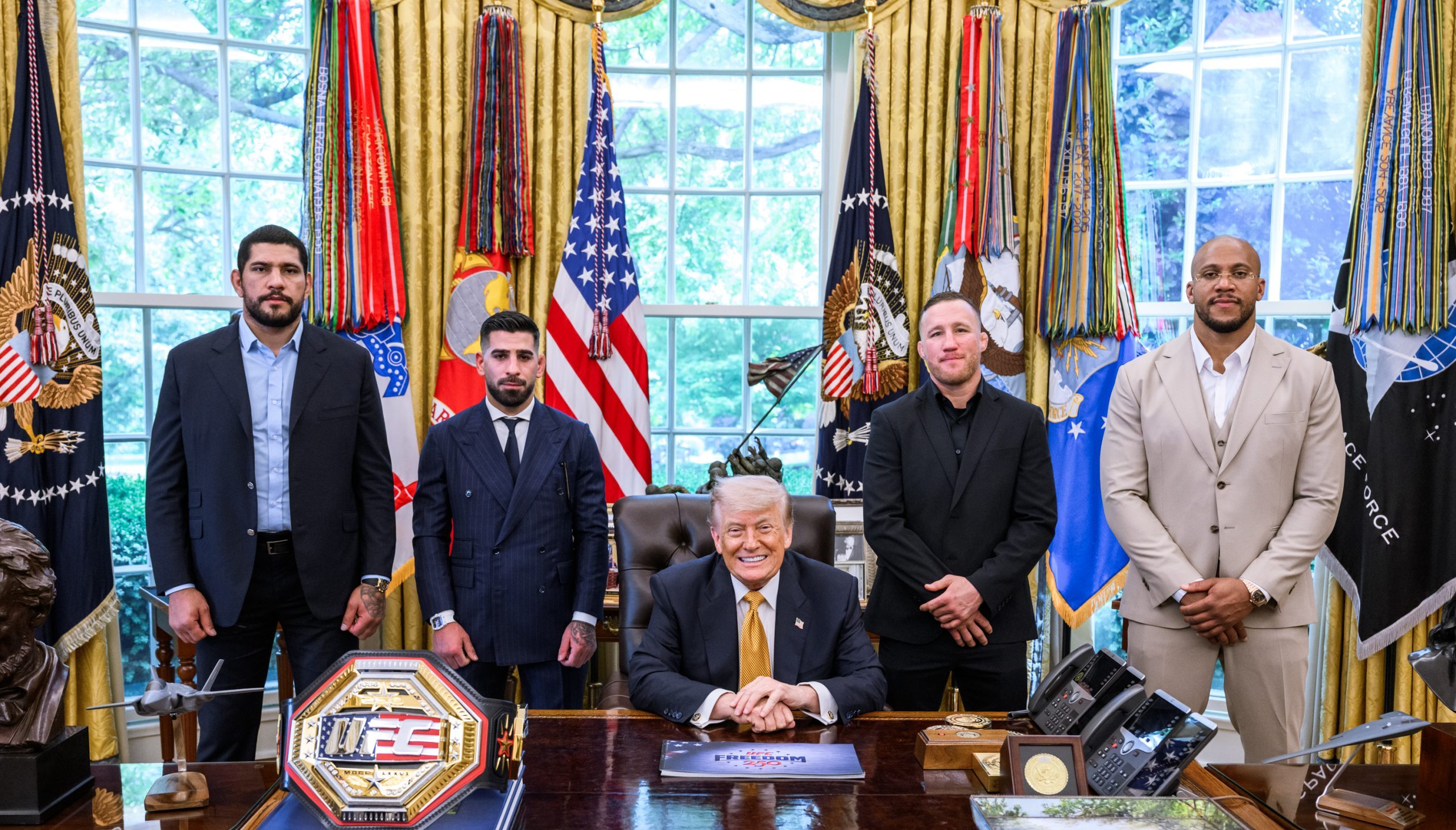
Dana White Said 'Super Bowl Numbers.' Someone Should Tell Paramount+.
When a promoter's hype outpaces what any single streamer can deliver, the credibility gap stops being a personality quirk and starts being a structural problem.