Apple's Privacy Story Has Two Endings Depending on Where You Live
Siri gets smarter, photos get faker, and Europe gets a shrug — all from the company that built its brand on doing things differently.

Photo · The Verge
There's a version of Apple's 2025 and 2026 product story that sounds like a triumph. Siri finally works the way people always assumed it did. AI photo editing tools let you reshape images with almost no friction. The company figured out how to run some models on Google's servers while — according to Apple, per Ars Technica — giving Google no access to the underlying data. A coherent, if complicated, privacy argument for a genuinely more capable product.
Then there's the European version, which ends earlier and less cleanly.
The Blame Transfer
Apple has told iPhone and iPad users in the EU that the new AI-powered Siri is not coming to them — and the reason given is the Digital Markets Act. The DMA, as one Verge writer laid out, requires platforms to give competitors the same data access they themselves use, with narrow exceptions. Apple's position is that complying with those rules would compromise user privacy, so the feature simply doesn't ship.
This is a reasonable argument dressed up as a principled one. The practical effect is that Apple gets to withhold a product it spent considerable marketing energy on, blame a regulator, and let European users do the lobbying work. It's a clean move. It's also the kind of clean move that only works once before people start noticing the pattern.
Because the privacy argument is getting harder to hold together at both ends simultaneously. On one side, Apple is telling European regulators that sharing data with competitors would violate its privacy commitments. On the other side, Apple is telling its own users — per the Ars Technica reporting — that running AI models through Google's cloud infrastructure is fine, private even, because of how the architecture is designed. Both claims might be technically true. But they pull in directions that require some mental flexibility to reconcile.
The Photograph Problem
Meanwhile, WWDC 2026 introduced a different kind of credibility question. Apple announced a suite of AI-powered photo editing tools that the Verge noted Apple still refers to as producing "photos" — despite those tools enabling substantial image manipulation. A Verge writer pointed out that Apple software chief Craig Federighi said two years ago, at the launch of Clean Up, that accurately capturing reality mattered. That was the stated value. The new tools suggest the value has been quietly updated.
None of this is unique to Apple. The entire industry is sprinting toward generative image tools while largely avoiding the question of what "photograph" means when the output is partially invented. But Apple is the company that built a decade of brand equity on the idea that it thought about these things more carefully than everyone else. That it asked the harder questions. That different meant better, not just different.
The EU restriction and the AI photo tools are not the same story. But they share a structure: Apple made a public commitment to a set of values, and now the product roadmap is quietly renegotiating those commitments without formally acknowledging it.
Europe gets to watch the negotiation from outside the room. They're told the door is closed for their own protection. Whether they believe that depends entirely on whether they still trust the person holding the door.
At some point, a brand built on trust stops being an asset and starts being an audit.
Keep reading tech.
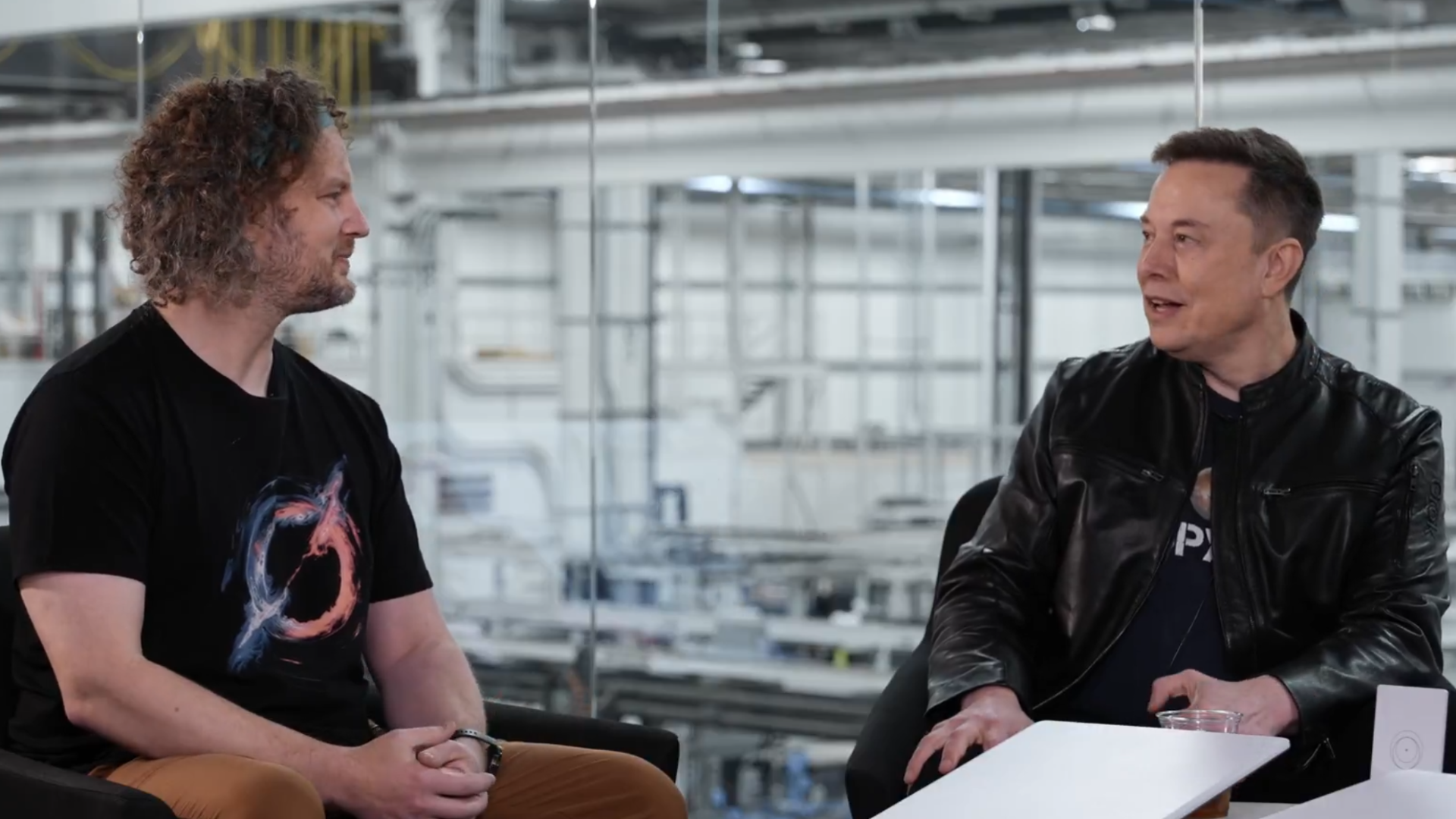
SpaceX Wants to Build the Cloud Above the Cloud
Orbital data centers sound like a punchline until you see the factory floor.

Anthropic Made Two Models and Named Only One 'Safe'
When the company that invented the 'too dangerous to release' category releases a tamer version and calls it the same thing, someone should ask what exactly the guardrails are guarding.

Donut Lab Raised $1.25 Billion on a Battery That Wasn't
A Finnish startup's solid-state miracle turned out to be a lithium-ion battery with a better publicist.
From the other desks.
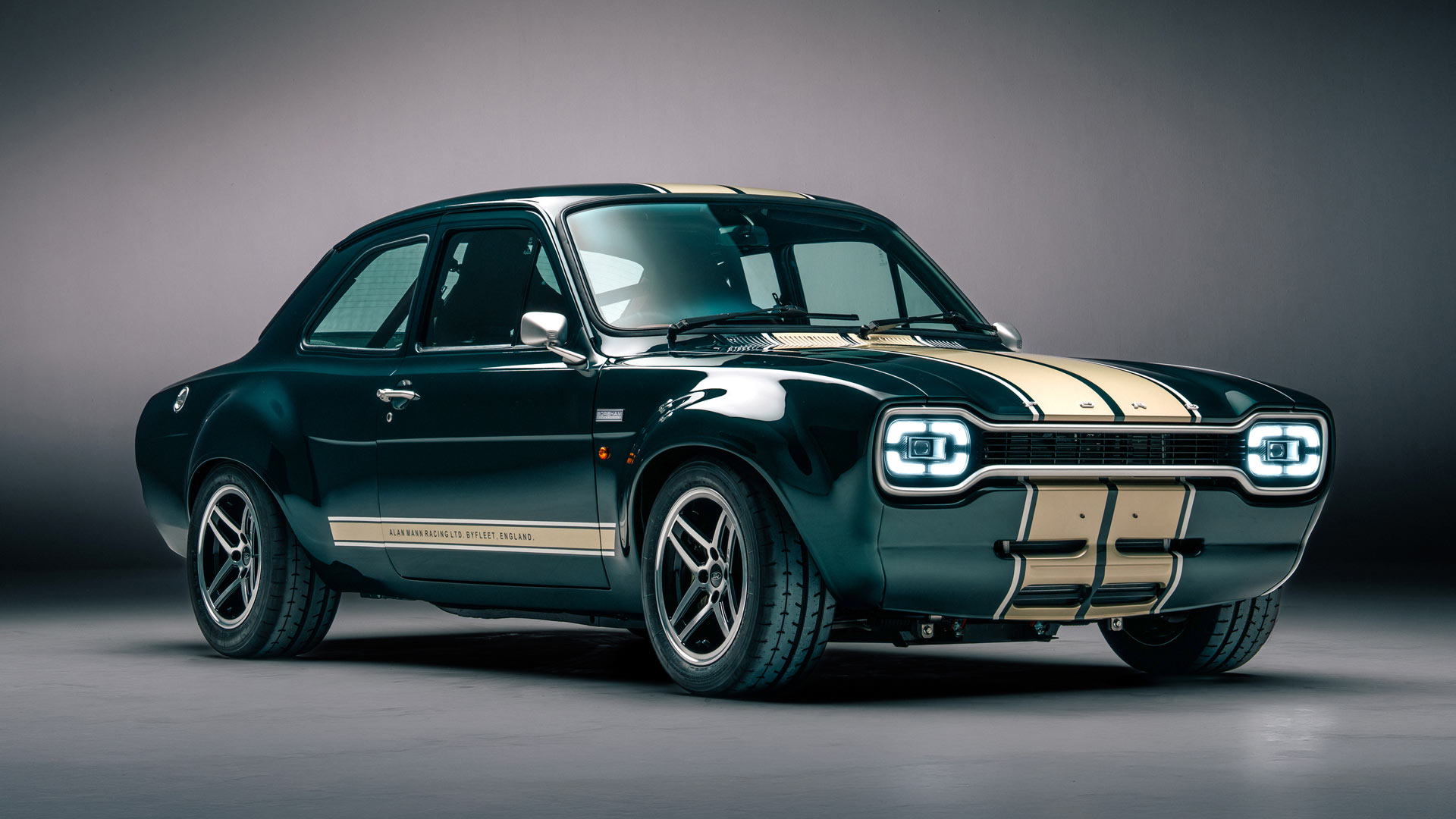
Boreham Built a New Escort From Nothing and Called It the Original
At £300,000, the Boreham Escort RS isn't nostalgia — it's a philosophical argument with a 10,000rpm redline.
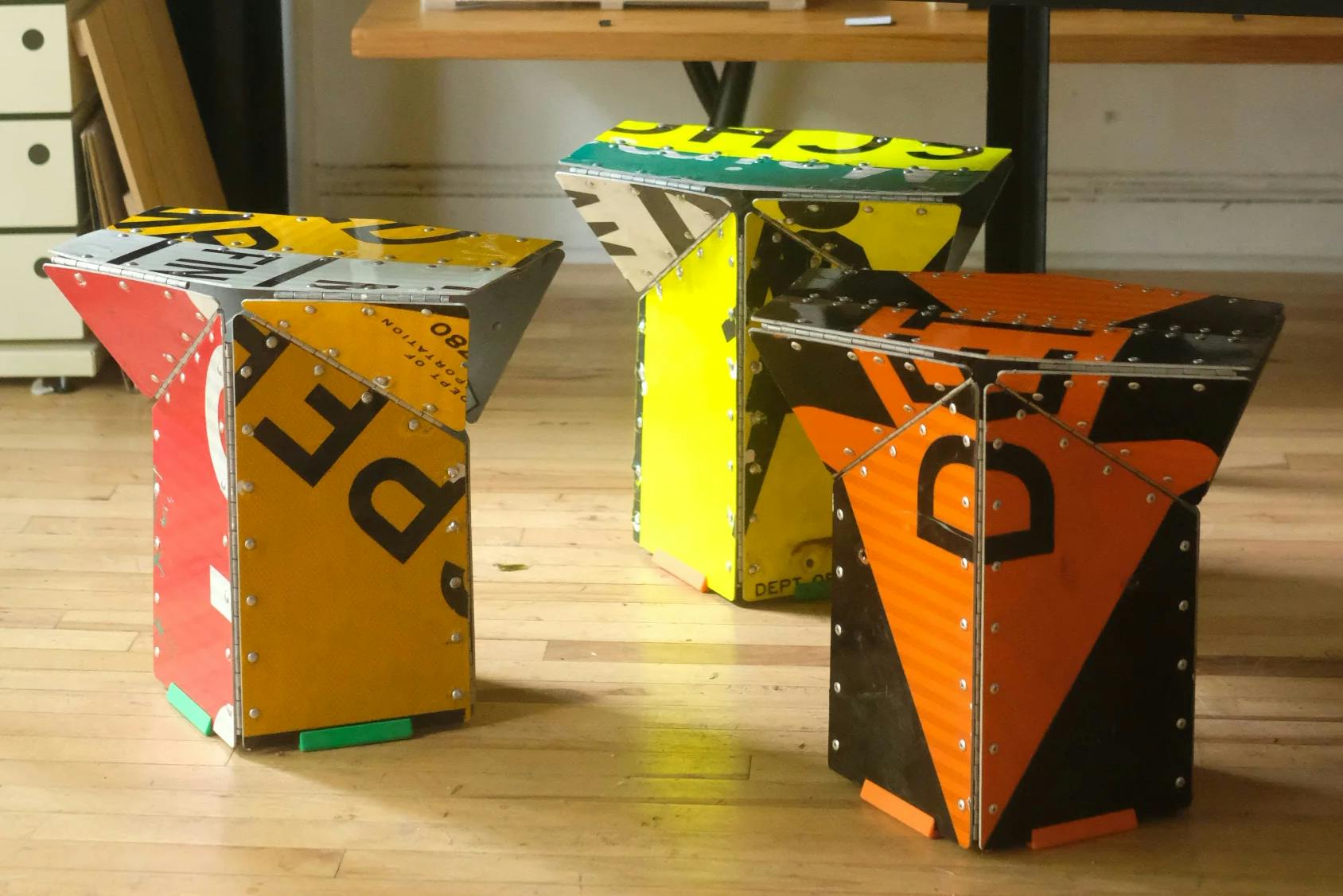
Heron Preston Turned New York Street Signs Into Something You Sit On
When a streetwear designer starts making furniture from salvaged city infrastructure, the category lines aren't blurring — they're gone.
Win Enough and the Scoreboard Stops Meaning What It Said
A writer at Boardroom just named the trap every great athlete eventually falls into — and once you see it, you can't watch sports the same way again.