Donut Lab Raised $1.25 Billion on a Battery That Wasn't
A Finnish startup's solid-state miracle turned out to be a lithium-ion battery with a better publicist.

Photo · The Verge
There's a version of this story that's surprising. A startup raises money on a technology that doesn't exist, burns through credibility, gets caught. That version stopped being surprising around 2016.
What's different this time is who caught them — and how fast.
The Claim, and the Problem With It
Donut Lab, a Finnish startup, had a story worth telling: a solid-state battery ready for mass production. Investors believed it. According to Tom's Hardware, the company raised $25 million and reached a valuation of $1.25 billion on the strength of that claim. That's not a rounding error. That's a number that requires a lot of people in a lot of rooms to nod their heads.
The problem, according to independent scrutiny reported by both The Verge and Tom's Hardware, is that the battery isn't solid-state at all. It's a standard lithium-ion design — the same chemistry that's been in your phone for decades. Not a breakthrough. Not a next-generation architecture. A rebrand.
The unraveling came through Ryan Inis Hughes, who runs the Ziroth YouTube channel and assembled what The Verge describes as a coalition of over 20 independent battery experts, plus a whistleblower: Lauri Peltola, the former chief commercial officer of Nordic Nano Group, the company supposedly partnered with Donut Lab to manufacture the batteries. When the person responsible for bringing your product to market goes on record to say the product isn't what you claimed, you've moved past "disputed" and into something harder to spin.
The Accountability Layer Nobody Budgeted For
Here's what I keep thinking about: the mechanism that broke this open wasn't a regulator. It wasn't a competitor. It wasn't a journalist with a masthead and a legal team behind them. It was a YouTube channel and an ex-employee who decided to talk.
That's the actual story underneath the fraud. Startup culture has always run on asymmetric information — founders know more than investors, investors know more than the public, and the whole structure depends on nobody looking too closely before the next funding round closes. What's shifting is that "too closely" now has a lower barrier to entry. A well-sourced YouTube investigation can bring in two dozen credentialed experts, coordinate a whistleblower, and reach an audience that includes the same people sitting on those cap tables.
The hype cycle hasn't slowed down. If anything, battery technology is one of the most hype-saturated sectors in tech right now — every few months there's another announcement about energy density or charge times that reads like a press release from the future. Most of it evaporates. What's new is that the evaporation is becoming a spectator sport.
Donut Lab raised $25 million. Nordic Nano Group was the manufacturing partner on paper. Hughes and Peltola and 20 battery experts are now on YouTube. The valuation is $1.25 billion, and the battery is lithium-ion.
The internet didn't just watch this one. It did the lab work.
Keep reading tech.
SpaceX Wants to Build the Cloud Above the Cloud
Orbital data centers sound like a punchline until you see the factory floor.

Anthropic Made Two Models and Named Only One 'Safe'
When the company that invented the 'too dangerous to release' category releases a tamer version and calls it the same thing, someone should ask what exactly the guardrails are guarding.

Apple's Privacy Story Has Two Endings Depending on Where You Live
Siri gets smarter, photos get faker, and Europe gets a shrug — all from the company that built its brand on doing things differently.
From the other desks.

Boreham Built a New Escort From Nothing and Called It the Original
At £300,000, the Boreham Escort RS isn't nostalgia — it's a philosophical argument with a 10,000rpm redline.
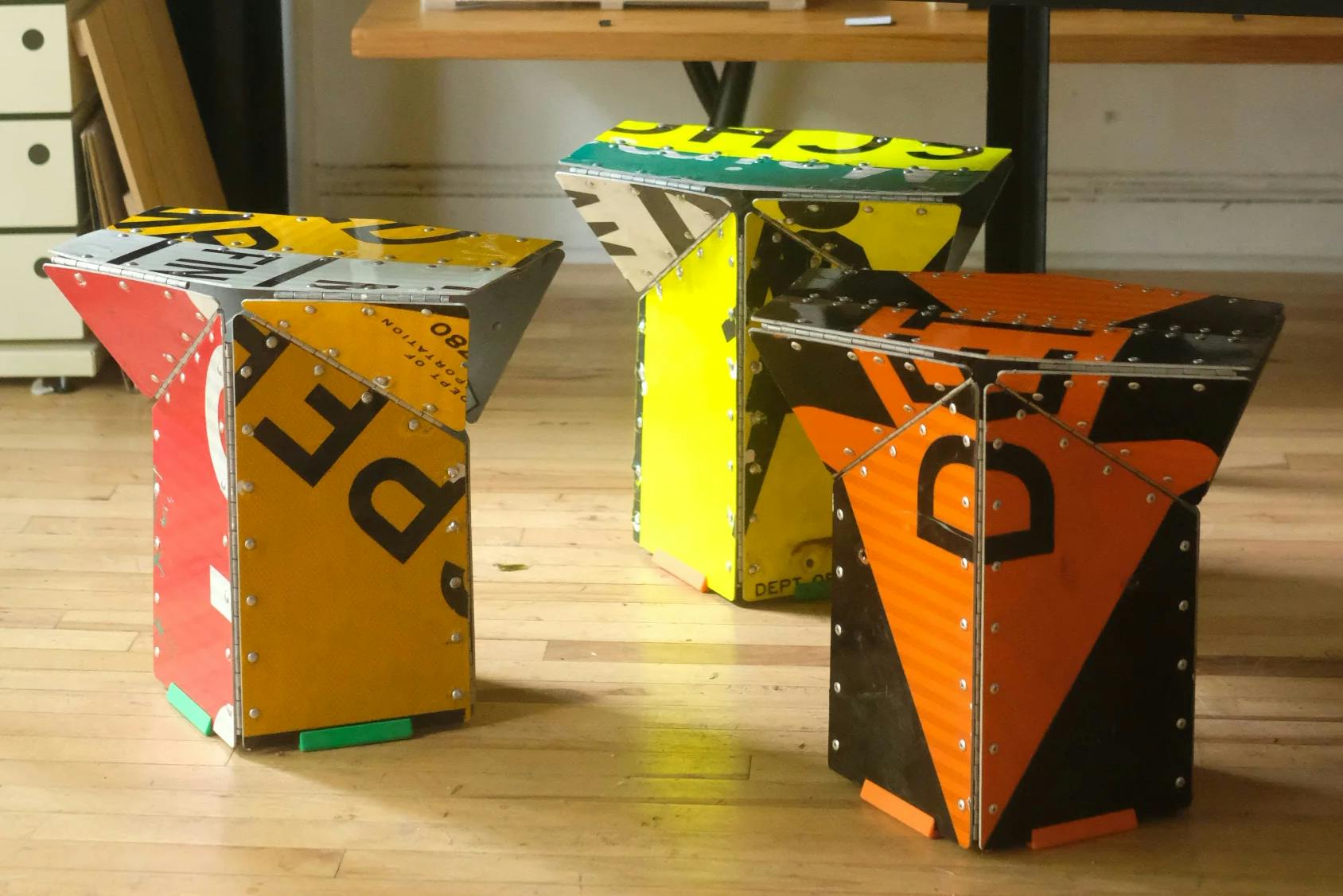
Heron Preston Turned New York Street Signs Into Something You Sit On
When a streetwear designer starts making furniture from salvaged city infrastructure, the category lines aren't blurring — they're gone.

Win Enough and the Scoreboard Stops Meaning What It Said
A writer at Boardroom just named the trap every great athlete eventually falls into — and once you see it, you can't watch sports the same way again.