Sam Altman Filed the Paperwork. The Mission Statement Didn't.
OpenAI just told the SEC it wants to go public. It hasn't told anyone what happens to existential caution when the lockup expires.

Photo · The Verge
There's a sentence buried in OpenAI's announcement of its confidential S-1 filing that tells you everything about where we are right now: "We expect it to leak so we're just announcing it." That's not communications strategy. That's a shrug. A company that has spent years framing itself as humanity's last responsible line of defense against its own product apparently decided the most efficient move was to get ahead of its own paperwork.
So here we are. OpenAI has confidentially submitted a Form S-1 to the SEC. Anthropic did the same thing just over a week earlier. SpaceX is somewhere in this queue too, according to Wired. The AI arms race, which has always been partially theatrical, has now added a new act: the IPO race.
What "Confidential" Actually Means
The confidential filing designation is worth pausing on, because the press coverage largely treated it as a procedural footnote. It isn't. As The Verge noted, the confidential route means that the details you'd actually want to scrutinize — executive compensation, specific risk disclosures, deeper financials — aren't public yet. You get the announcement without the accountability. The headline without the footnotes. Which is, come to think of it, a pretty accurate description of how AI development has been communicated to the public for several years running.
Anthropology aside, what we do know is that Anthropic currently holds the title of world's most valuable startup based on its most recent fundraise, per The Verge's reporting. OpenAI filing within a week of that move is less a coincidence and more a competitive reflex. Two companies that both style themselves as safety-first operations are now openly racing each other to ring a bell on Wall Street.
The Coexistence Problem Nobody Is Asking About
Here's what the four sources covering this news collectively don't wrestle with, because none of them are paid to: venture-scale returns and existential caution are not obviously compatible over a ten-year horizon. They might not be compatible over a three-year one.
Public markets want growth, predictability, and a narrative that fits on an earnings call. OpenAI's actual situation — a company that has publicly stated it is building technology that could be among the most transformative and dangerous in human history — does not fit neatly into a quarterly cadence. The risk disclosures that will eventually appear in a public S-1 will either be so hedged as to be meaningless, or so specific as to be genuinely alarming. There is no comfortable middle.
And Anthropic, for all its Constitutional AI positioning, is running the same play. Both companies have built their reputations partly on the argument that they are not the reckless ones. Going public doesn't make you reckless. But it does introduce a new constituency — shareholders — whose interests have historically not mapped cleanly onto phrases like "long-term benefit of humanity."
I've watched enough tech cycles to know how this part goes. The mission statement survives the S-1. It survives the roadshow. It probably survives the first earnings call. Then the stock has a bad quarter, and someone on the board starts asking hard questions about what exactly the responsible AI team is costing per headcount.
Maybe OpenAI has figured out a structure that holds. Maybe the governance mechanisms are real. The filing, being confidential, won't tell us. The announcement, being preemptive, was designed not to.
What I keep coming back to is that sentence. We expect it to leak so we're just announcing it. It's almost admirably honest about the current state of institutional transparency. And it raises a question worth sitting with as the S-1 eventually becomes public and the roadshow begins and the analysts start building their models:
If you can't keep a filing secret, what exactly are you planning to keep?
Keep reading tech.

Seventy Repositories Down, and the Exploit Was the Infrastructure
When Microsoft had to shut down its own GitHub presence to stop credential theft, it wasn't a breach of trust — it was proof the trust was already gone.
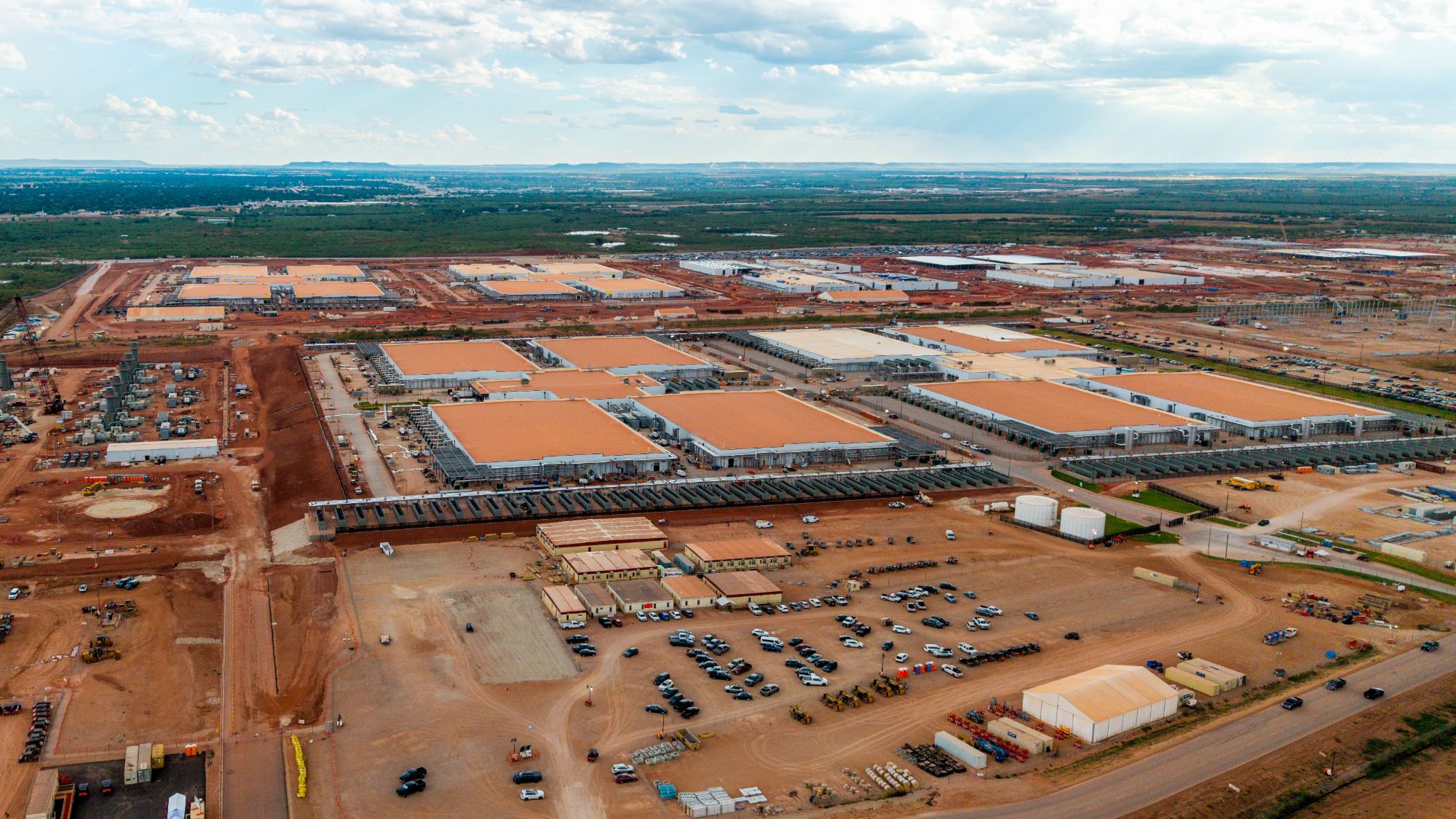
809 Projects, Two-Thirds in Drought, and Everyone Called It Progress
The infrastructure boom for AI has a permission structure nobody voted on — and it runs on the same water it's draining.

Apple Borrowed the Brain and Kept the Logo
At Tim Cook's final WWDC, Apple admitted the thing it never admits — and dressed the confession in a product launch.
From the other desks.
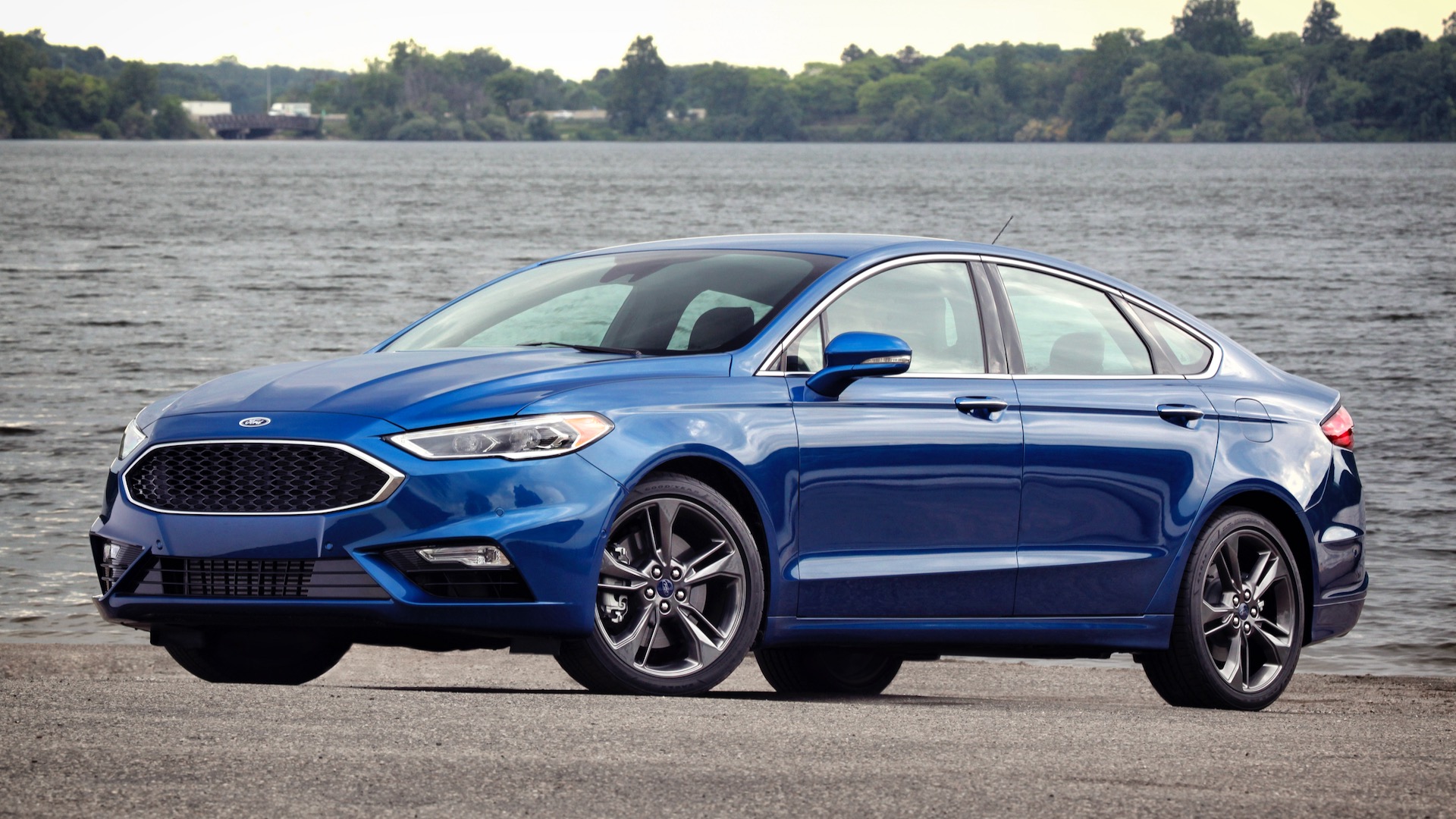
Ford Killed the Sedan, Then Left the Door Unlocked
When a company calls a category decision 'absolutely' right and then floats a reversal, you're not reading a market verdict — you're reading a balance sheet.
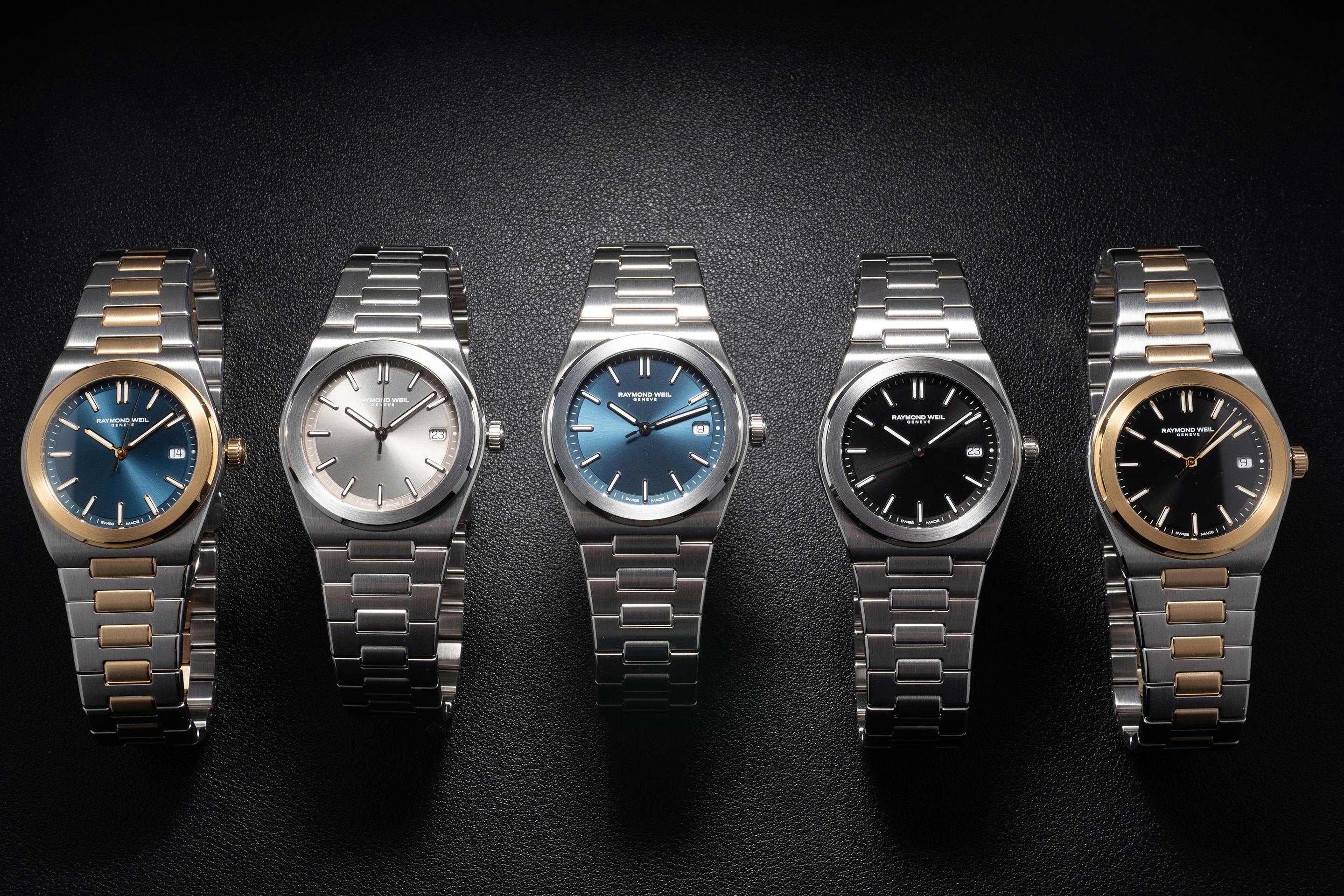
Raymond Weil Spent Half a Century Not Doing This
The A.R.T. collection isn't just a new watch — it's a brand finally deciding the integrated-bracelet category belongs to everyone.
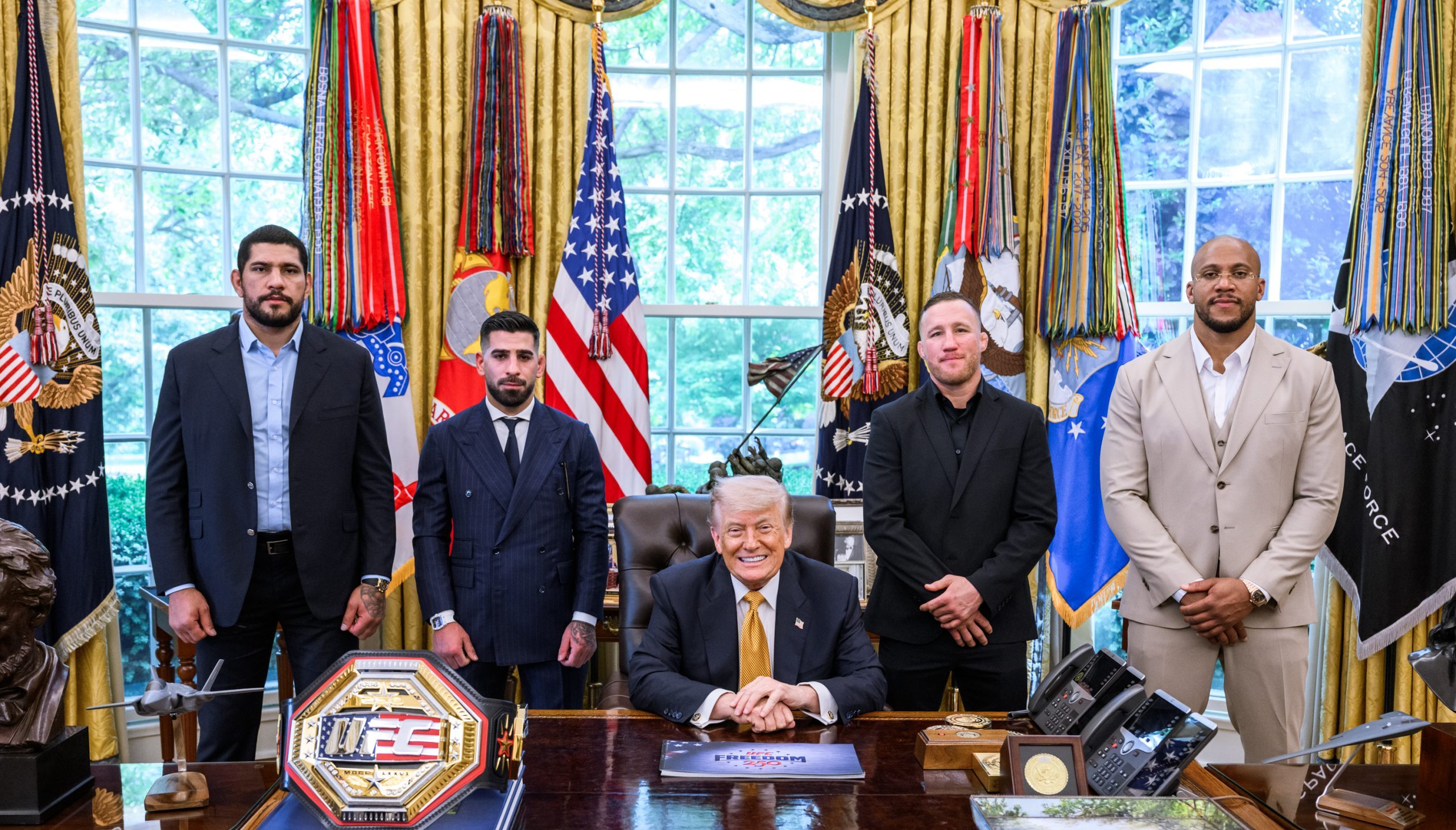
Dana White Said 'Super Bowl Numbers.' Someone Should Tell Paramount+.
When a promoter's hype outpaces what any single streamer can deliver, the credibility gap stops being a personality quirk and starts being a structural problem.