SpaceX Wants to Build the Cloud Above the Cloud
Orbital data centers sound like a punchline until you see the factory floor.
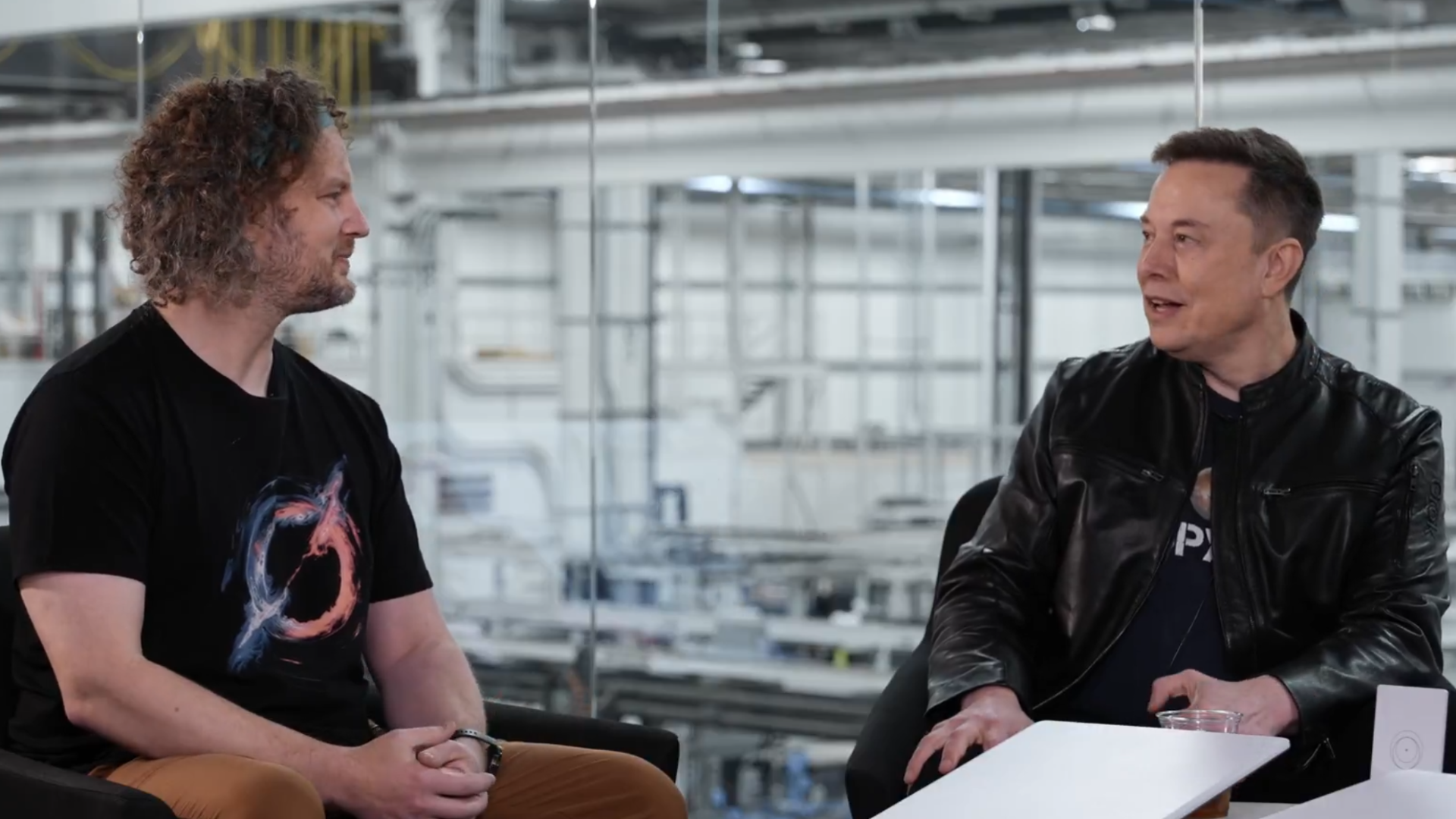
Photo · Latest from Tom's Hardware
There's a rhythm to tech ambition announcements. Someone posts a video. A number gets cited that makes reporters briefly forget to breathe. A factory gets named. The cycle completes. SpaceX just ran through all three steps in what feels like a single news cycle, and the numbers are strange enough that the usual skepticism takes a moment to calibrate.
Elon Musk posted a thirty-minute video to the company's X account detailing the AI1 satellite — the first concrete look at what SpaceX means when it says orbital data center. According to Tom's Hardware's coverage, the craft spans wider than a Boeing 747 and carries an interchangeable chip payload running at 120 kilowatts, peaking at 150. That last detail — interchangeable — is the one worth sitting with. It means they're not designing for a fixed hardware generation. They're designing for the upgrade cycle, which is either very smart or a hint that they genuinely don't know which chips will matter in three years. Neither does anyone else, to be fair.
The Factory Is the Announcement
The satellite specs are interesting. The factory is the real story. Tom's Hardware also reported that SpaceX has unveiled an 11-million-square-foot facility called Gigasat, built specifically to mass-produce these AI satellites. The stated target: 1 gigawatt of space-based AI compute by late 2027, and 100 gigawatts per year by 2030.
One hundred gigawatts per year. By 2030. That's not a product roadmap, that's a cosmological claim. And it lands in the same news window as terrestrial hyperscalers pouring concrete as fast as they can source it, sweating over power grid access and water cooling rights and the politics of where you build a data center in 2025. SpaceX looked at all of that and apparently decided the ground was too complicated.
Which is either visionary or a very expensive way to avoid a zoning board.
Physics Doesn't Negotiate
Here's what both pieces of coverage, taken together, quietly leave on the table: latency. You can put a gigawatt of compute in orbit. The speed of light doesn't care. The distance from low Earth orbit to a user on the ground introduces round-trip times that terrestrial fiber doesn't. For certain workloads — batch inference, training runs that don't need real-time response, anything where you're uploading a job and waiting for results — that's probably fine. For anything conversational or interactive, it's a problem that physics will not solve on deadline.
The interchangeable chip payload design suggests SpaceX knows the hardware story will keep moving. What it doesn't address is whether the use cases that justify orbital infrastructure actually exist at the scale the Gigasat factory implies. Terrestrial data centers got built because demand was already there. This is the other sequence: build the capacity, then find what fills it.
That's not a disqualifying observation. It's just honest. The history of infrastructure is full of things that looked like overreach until the demand caught up — and full of things that never found their demand at all. The factory gets built either way.
What SpaceX has done, whatever comes next, is give the hyperscaler conversation a new ceiling. When someone at AWS or Google Cloud is negotiating for a patch of land near a cheap power source, there's now a competitor that answered the power problem by leaving the grid entirely. That's not nothing. That changes the shape of the room.
The cloud used to mean someone else's server. Now it might mean exactly that.
Keep reading tech.

Anthropic Made Two Models and Named Only One 'Safe'
When the company that invented the 'too dangerous to release' category releases a tamer version and calls it the same thing, someone should ask what exactly the guardrails are guarding.

Apple's Privacy Story Has Two Endings Depending on Where You Live
Siri gets smarter, photos get faker, and Europe gets a shrug — all from the company that built its brand on doing things differently.

Donut Lab Raised $1.25 Billion on a Battery That Wasn't
A Finnish startup's solid-state miracle turned out to be a lithium-ion battery with a better publicist.
From the other desks.

Boreham Built a New Escort From Nothing and Called It the Original
At £300,000, the Boreham Escort RS isn't nostalgia — it's a philosophical argument with a 10,000rpm redline.
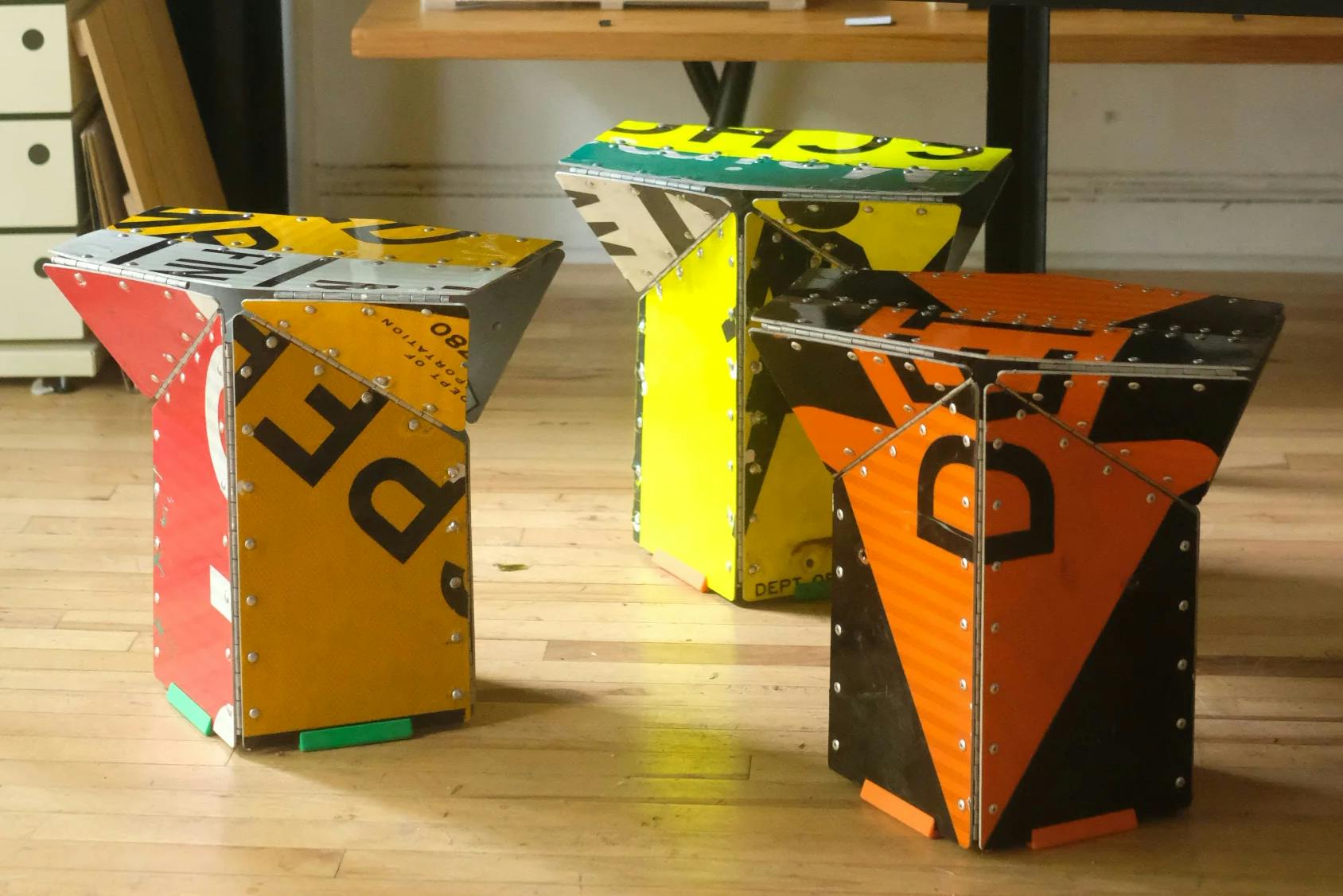
Heron Preston Turned New York Street Signs Into Something You Sit On
When a streetwear designer starts making furniture from salvaged city infrastructure, the category lines aren't blurring — they're gone.

Win Enough and the Scoreboard Stops Meaning What It Said
A writer at Boardroom just named the trap every great athlete eventually falls into — and once you see it, you can't watch sports the same way again.