The Drone Ban Didn't Help You. It Helped Lockheed.
Banning DJI didn't build an alternative. It just redirected the money.
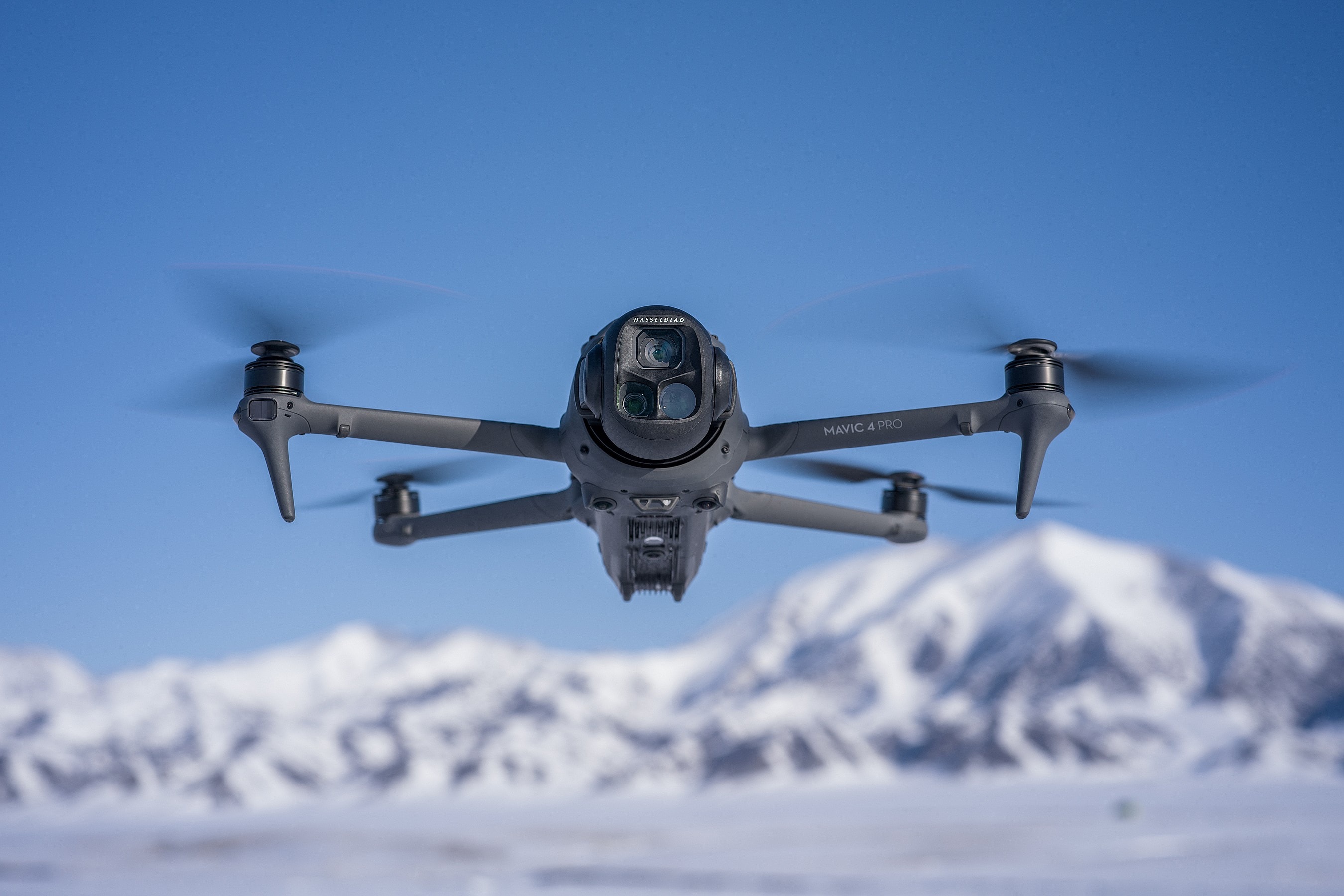
Photo · The Verge
Nobody stepped up. That's the part worth sitting with.
When the US effectively shut out DJI, the assumption was that the market would self-correct. Competition would fill the gap. American ingenuity, et cetera. Fifteen months later, creators, farmers, and surveyors are still waiting for a drone that does what a Mavic does at a price that doesn't require a business loan.
Where the Money Actually Went
It went to the Pentagon. A billion dollars earmarked for military drones is a more interesting pitch deck than "help a wedding videographer in Tucson." You can't blame the companies chasing it. But you can name what happened: the consumer market didn't get disrupted, it got abandoned.
This is what happens when policy is written for optics instead of outcomes. The ban looked decisive. It felt like action. What it actually did was remove the best tool most working drone operators had, then offer them nothing in return.
The Mavic 4 Pro exists. Americans just can't buy one.
That's not a security win. That's a gap dressed up as a principle.