Software Never Convinced Your Fingers
A $500 phone with a physical keyboard just became one of a veteran reviewer's favorites. That sentence deserves more than a shrug.
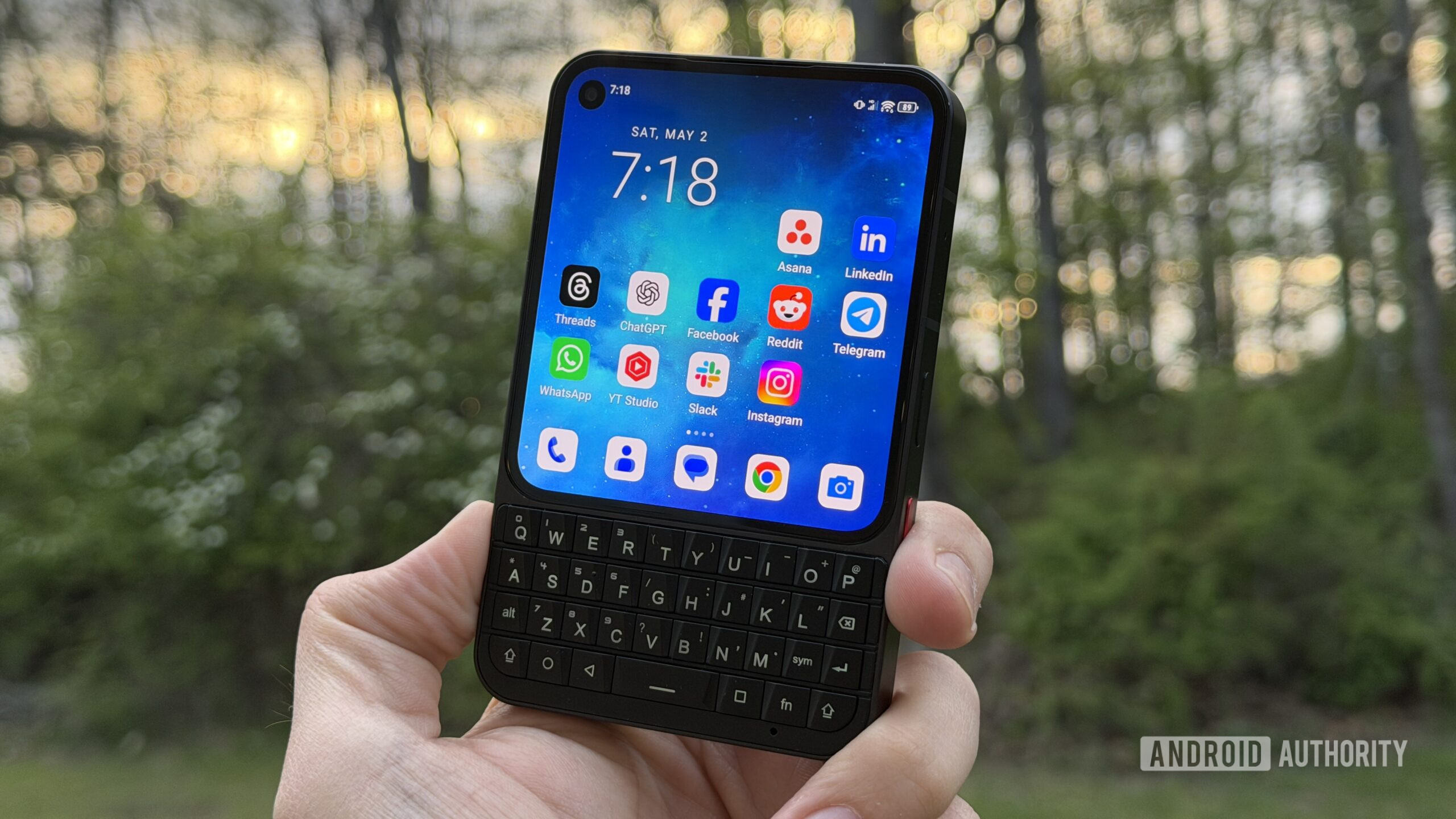
Photo · Android Authority
There's a particular kind of vindication that arrives quietly. No press event. No paradigm-shift keynote. Just a writer at Android Authority — someone who tests around forty phones a year — calling a $500 BlackBerry-style device with a physical keyboard one of their favorites. Sit with that for a second.
Forty phones a year is not a casual hobby. That's a profession built on pattern recognition. When someone with that throughput stops and says this one, it means something slipped past the noise and landed differently. And what landed was keys. Actual, physical, press-them-with-your-thumb keys.
The Software Keyboard Was Always a Compromise
Here's what the last decade of touchscreen orthodoxy required you to believe: that the best interface is no interface. That glass was neutral. That your thumbs would adapt, and adaptation would eventually feel like preference.
Some people genuinely got there. Most people just stopped complaining.
The autocorrect industrial complex — predictive text, swipe gestures, haptic feedback tuned to approximate the sensation of pressing something that isn't there — has been a very long, very expensive workaround for the fact that flat glass does not tell your fingers where they are. Physical keys do. They always did. The muscle memory that built up around a raised edge and a tactile click was not nostalgia. It was information.
What makes the Android Authority piece worth reading isn't the review itself. It's the implication of the reviewer's position. This isn't someone who grew up on a BlackBerry and misses the feeling. This is someone swimming in modern hardware every single week, someone who by definition should be desensitized to anything that isn't cutting-edge, and they found themselves preferring the thing with bumps on it.
Five Hundred Dollars Is a Statement
The price matters here. This isn't a nostalgia product priced for the sentimental. At $500, it's asking to be evaluated as a serious device against serious competition. That's a different argument than a novelty keyboard case or a retro throwback at $99 that you're allowed to love ironically.
At $500, the keyboard has to earn it. And apparently, for someone who handles forty alternatives a year, it does.
There's a version of this story where the physical keyboard is a gimmick that sells on vibes and loses on specs. That story is easier to write. But that's not the story the Android Authority piece is telling. The story it's telling — maybe without fully meaning to — is that tactile feedback was never a feature the market abandoned because it stopped working. It was a feature the market abandoned because glass was cheaper to scale, and eventually cheap-to-scale became industry standard became assumed preference.
The keyboard didn't get worse. The conversation around it just went quiet.
Now someone who tests forty phones a year is recommending the one that talks back to your fingers. That's not a trend piece. That's a correction.
Keep reading tech.

Synthetic Faces Just Got Good Enough to Stop Being a Joke
A writer at The Verge noticed AI influencers are harder to spot. The real story is what happens once nobody can tell.
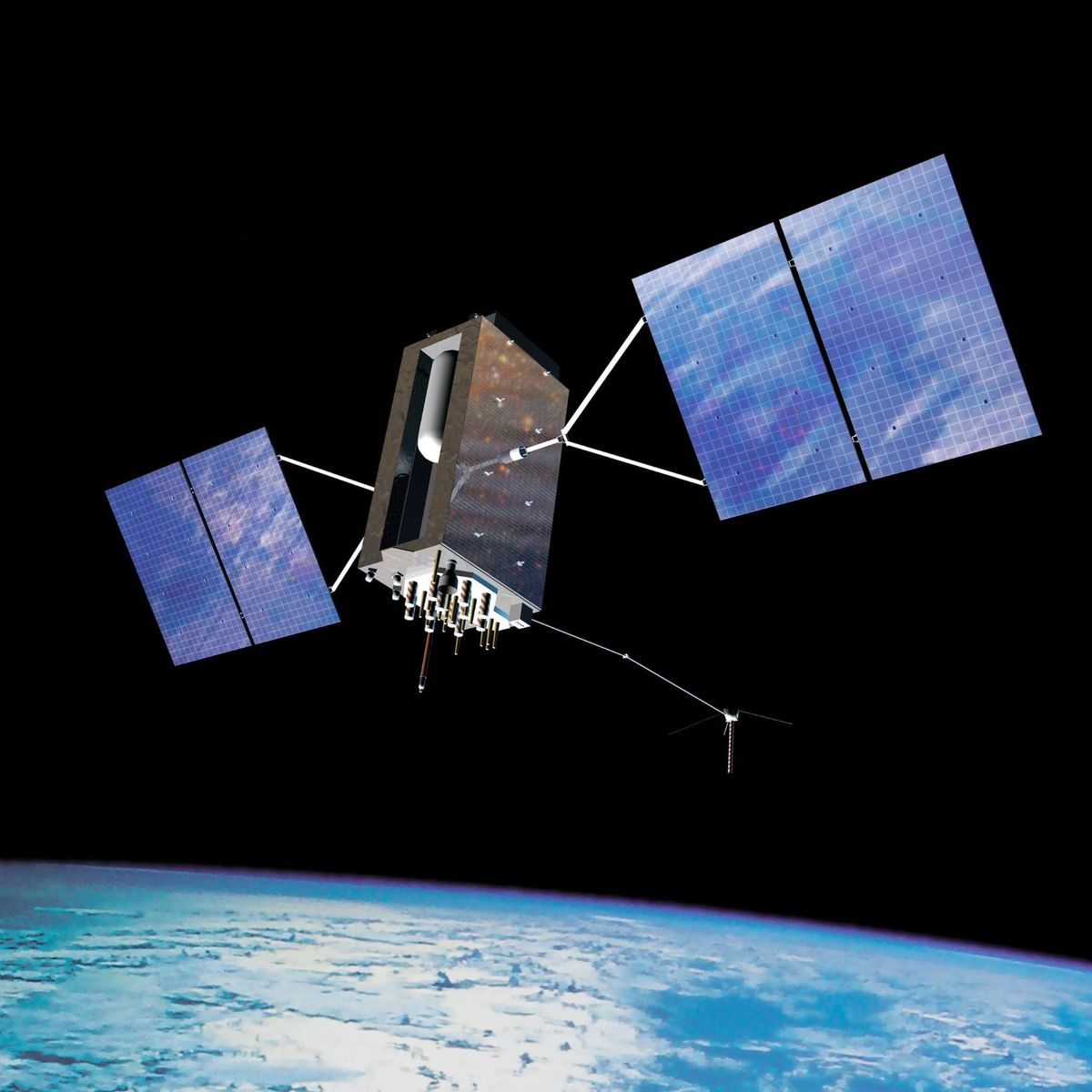
GPS Was Never Just for Getting Lost
A writer at 404 Media found something hiding in plain signal — and the implications are bigger than the discovery.

X Optimized for This. Now Look at It.
Two separate analyses, months apart, reach the same uncomfortable conclusion about what the platform actually rewards.
From the other desks.
Subaru Counted Three Manual Transmissions and Called It a Product Strategy
When an affordable hatchback gets a stick shift, someone at the top decided driving still matters.

Zegna Flew to Malibu to Tell You Vacation Has Standards
Alessandro Sartori staged a runway on the California coast. The real argument wasn't about clothes.

Nineteen, Five Straight, Monaco. Go Ahead and Explain the Learning Curve.
Kimi Antonelli just won the most unforgiving race in Formula 1 for the second time he's ever seen it — and the coverage can't quite decide whether to celebrate him or process him.