Tesla Posted About Safety While a Family Was Still Calling 911
A grandmother died in Katy, Texas. The company that may have killed her spent the next day telling the world how safe its cars are.
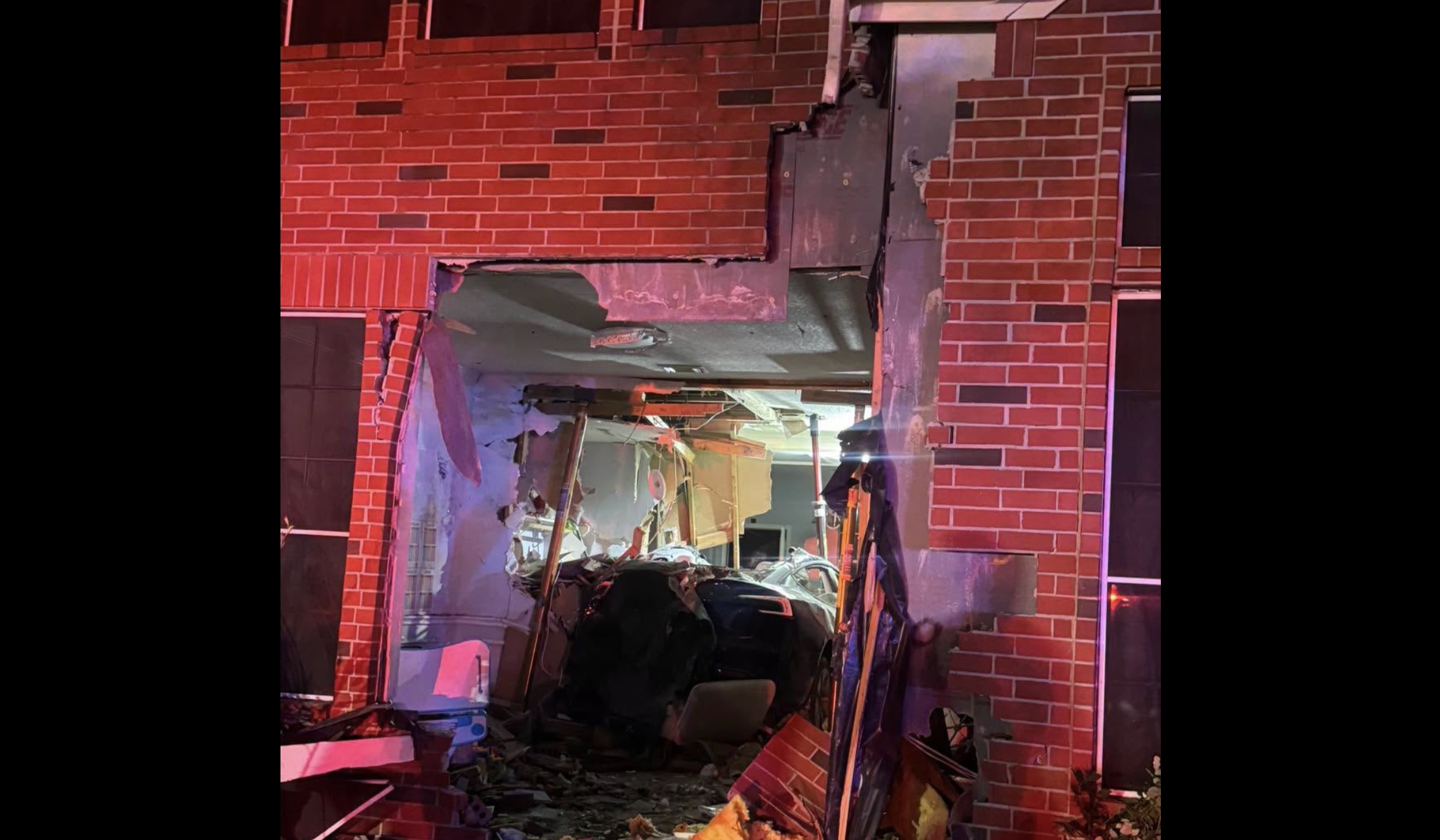
Photo · Ars Technica - All content
There's a particular kind of corporate nerve that looks, from a distance, almost like incompetence. It isn't.
A Tesla with an automated driving assistance system engaged drove into a home in Katy, Texas, killing one woman inside. A doorbell camera caught the moment. The family had a body. The investigators had footage. And Tesla, apparently working from a different calendar entirely, chose the following day to promote Autopilot as a lifesaving technology.
This is not an irony. It's a posture.
The Gap Has a Name Now
Autopilot has always lived in the space between what a feature does and what its name implies. That gap has been well-documented, argued over in courtrooms, and relitigated in press cycles for years. But something about this particular sequence — the crash, the death, the doorbell footage, the marketing post — collapses the argument into something harder to dismiss than statistics.
Ars Technica noted the timing directly: Tesla touted Autopilot as lifesaving the day after the grandmother died. Engadget's coverage confirmed a Tesla with what authorities described as "an automated driving assistance system" engaged struck a residential home. One person dead. Inside her own house.
The phrase "automated driving assistance system" is doing a lot of quiet work in official language right now. It's technically accurate. It's also precisely the kind of framing that lets a company maintain that drivers are always responsible while simultaneously naming the product Autopilot and Full Self-Driving and watching people take their hands off the wheel for years.
You can't have it both ways indefinitely. Apparently you can have it both ways for quite a long time, though.
What Survives This
The credibility problem with autonomous driving marketing isn't new. But it usually gets absorbed into a larger argument about the future — the long game, fleet data, statistical safety at scale, the utilitarian math where the technology eventually saves more lives than it costs. That math may even be right. It doesn't make the timing of a press post less grotesque.
What's different now is the image: a doorbell camera filming a car entering a home. It's the kind of footage that doesn't need a caption. Juries understand doorbell cameras. Regulators understand doorbell cameras. The public, which has been asked to trust that these systems are being developed responsibly, definitely understands a doorbell camera.
The question isn't whether Autopilot has a future. The question is whether the people building it understand what they're asking people to extend them — and whether a social media post about safety, published while a family in Texas was still making arrangements, is the behavior of a company that does.
Trust is the only asset in this category that can't be manufactured faster than it's lost.
Keep reading tech.

Anthropic Moved Into Your Office and Nobody Checked the Lease
Claude is now a Slack teammate — and the real question isn't whether it helps you work faster.
Apple Runs Two Tracks at Once. Only One of Them Is Interesting.
iOS 27 beta 2 is doing something worth watching. The maintenance update shipping alongside it is proof of why that matters.
Oracle Automated 21,000 Jobs and Called It a Strategy
When the company building AI infrastructure uses AI to eliminate the people who built it, the efficiency pitch stops being abstract.
From the other desks.
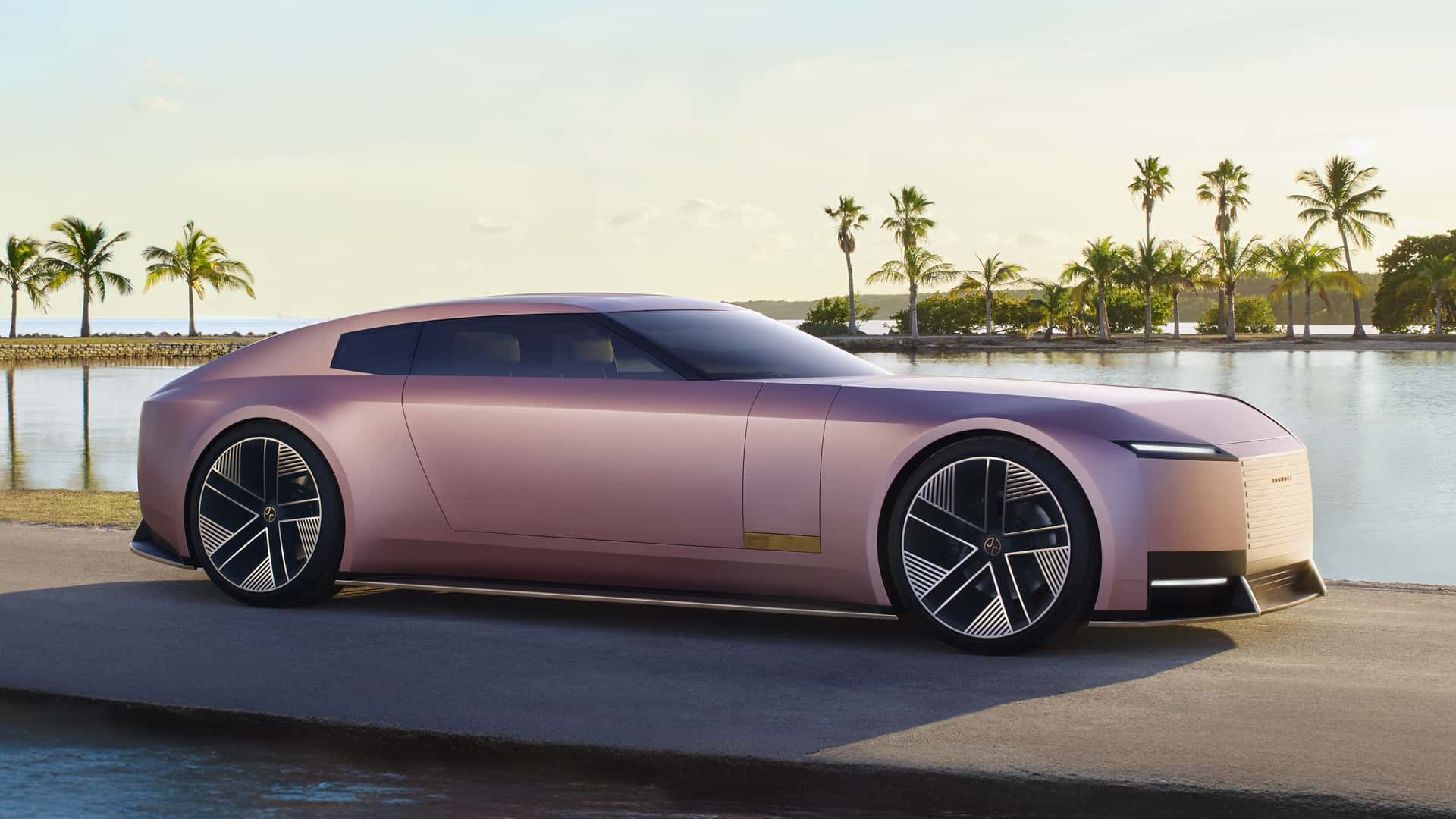
Ian Callum Loved Jaguar Enough to Say It Out Loud
The man who shaped the brand for two decades looked at its future and found something missing.
Sapphire Hood, Jumping Hours, 150 Units — Amida Isn't Asking
The Digitrend OSII Black didn't soften its edges to get worn. It just started glowing.

Edmonton Knows Exactly What It's Hiring
Mike Babcock is back in an NHL building, and the Oilers just told you everything about where they think they are.