The Watch That Arrives Already Lived In
Out Of Order sells you the patina before you've earned it — and that's either brilliant or a confession.
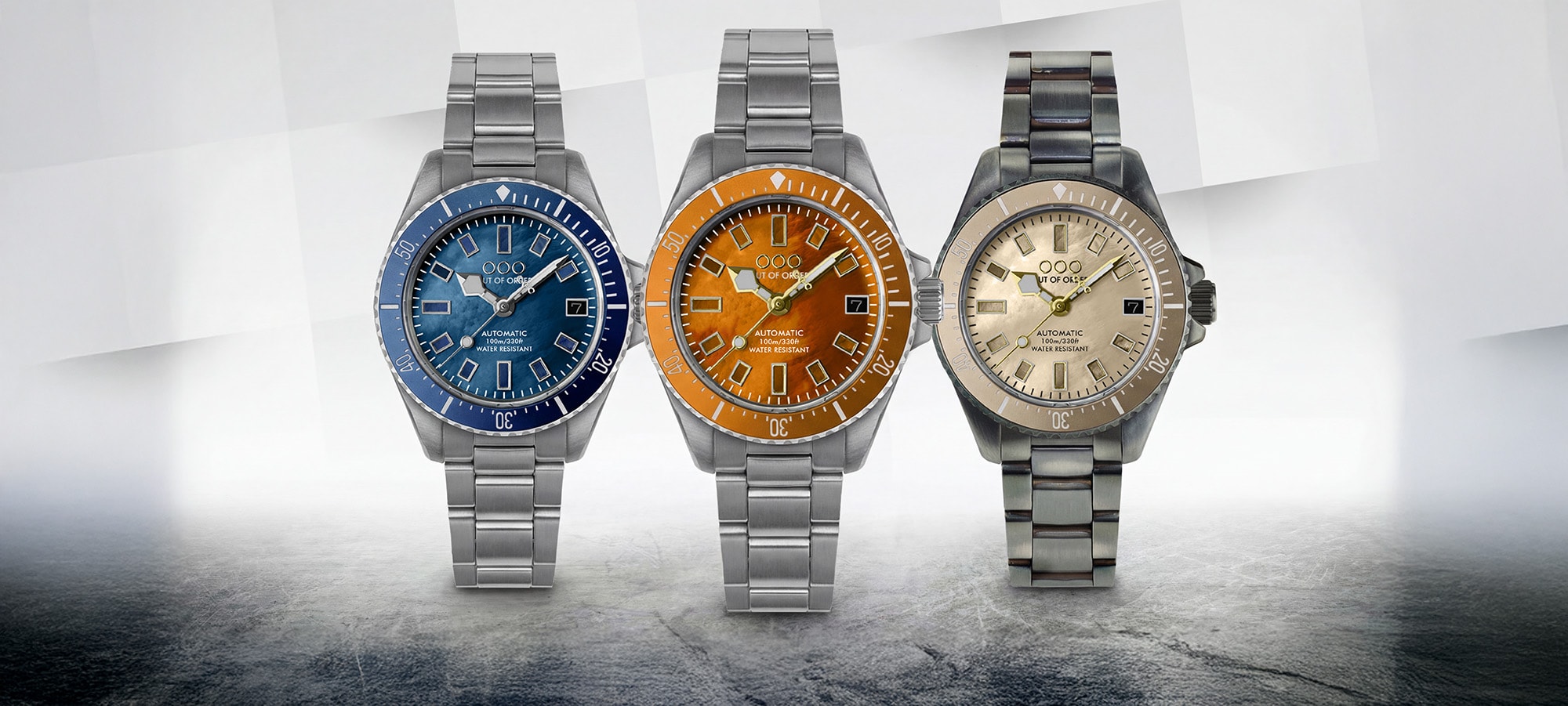
Photo · aBlogtoWatch
There's a version of this story where pre-distressed watches are just fashion tricks wearing a dial. Scratches applied by a machine. Character without biography. The watch equivalent of buying jeans with the holes already in them.
I've held that position. I'm not sure I still do.
The Problem With Perfect
Most watches ship like they're afraid of you. Polished to the point of anxiety. You spend the first year terrified of a doorframe, mourning the first scratch like a small death. The watch is pristine and you're walking on eggshells around your own wrist.
What Out Of Order figured out — and Venice, of all places, probably teaches you this — is that things look better after the city gets to them. The plaster peeling off a palazzo isn't damage. It's just time being honest about what it does.
The Casanova collection carries that logic onto the wrist. Intentionally imperfect finishing. A dial that looks like it's been somewhere. A case that doesn't flinch at the idea of being worn.
The Question You Have to Sit With
Here's where it gets complicated.
Patina on a watch is supposed to mean something. The cream lume that's gone amber on a vintage Submariner tells you that watch was on someone's wrist for decades. The marks on the case back. The slight unevenness of a bezel insert worn by years of diving or working or just living. Those things are a record. They happened.
When a brand ships you that record pre-written, what are you actually holding?
One answer: a cheat. You're wearing a story you didn't live. The scratches didn't come from anything. They came from a factory process with a name like "controlled imperfection" — which, honestly, is one of the more self-aware pieces of brand language I've encountered. At least they're not pretending.
The other answer is more interesting.
What Honesty Looks Like
Maybe the pre-distressed watch is the more truthful object. Because here's what the pristine watch is actually selling you: the fantasy that you'll be disciplined enough to keep it that way, and the anxiety that comes with knowing you won't. The first scratch on a mirror-polished case isn't character — it's grief. You spend years recovering from it.
Out Of Order skips that. The watch arrives already comfortable in its own skin. You don't have to mourn the first mark because there's no unmarked version to mourn. You just wear it.
There's something genuinely freeing about that. The watch doesn't need protecting. It needs wearing.
Venice Makes the Argument For Them
The city isn't incidental here. Venice is the most beautiful place in the world that is also, visibly, falling apart. The decay is the beauty. Nobody looks at a weathered fondamenta and wishes it were freshly painted. The age is the point. The water damage is the point. The whole city is a lesson in what happens when you stop fighting time and start working with it.
A watch brand from Venice that builds imperfection into the design isn't being clever. They're just paying attention to where they live.
Where I Land
I think it depends on why you wear watches.
If a watch is a record — your record, the places it went, the things it survived — then a pre-distressed dial is a blank journal with fake handwriting already in it. You'll always know.
But if a watch is an object you want to actually use without holding your breath, one that looks better on a Tuesday morning than it does in a display case — then Out Of Order might be making the most honest pitch in the room.
The Casanova isn't trying to be your heirloom. It's trying to be on your wrist.
That's a different kind of ambition. And some days, it's the right one.