The Watch That Was Already Somewhere Before You Were Born
Sopwith doesn't sell you a story about aviation — they sell you a piece of the actual metal.
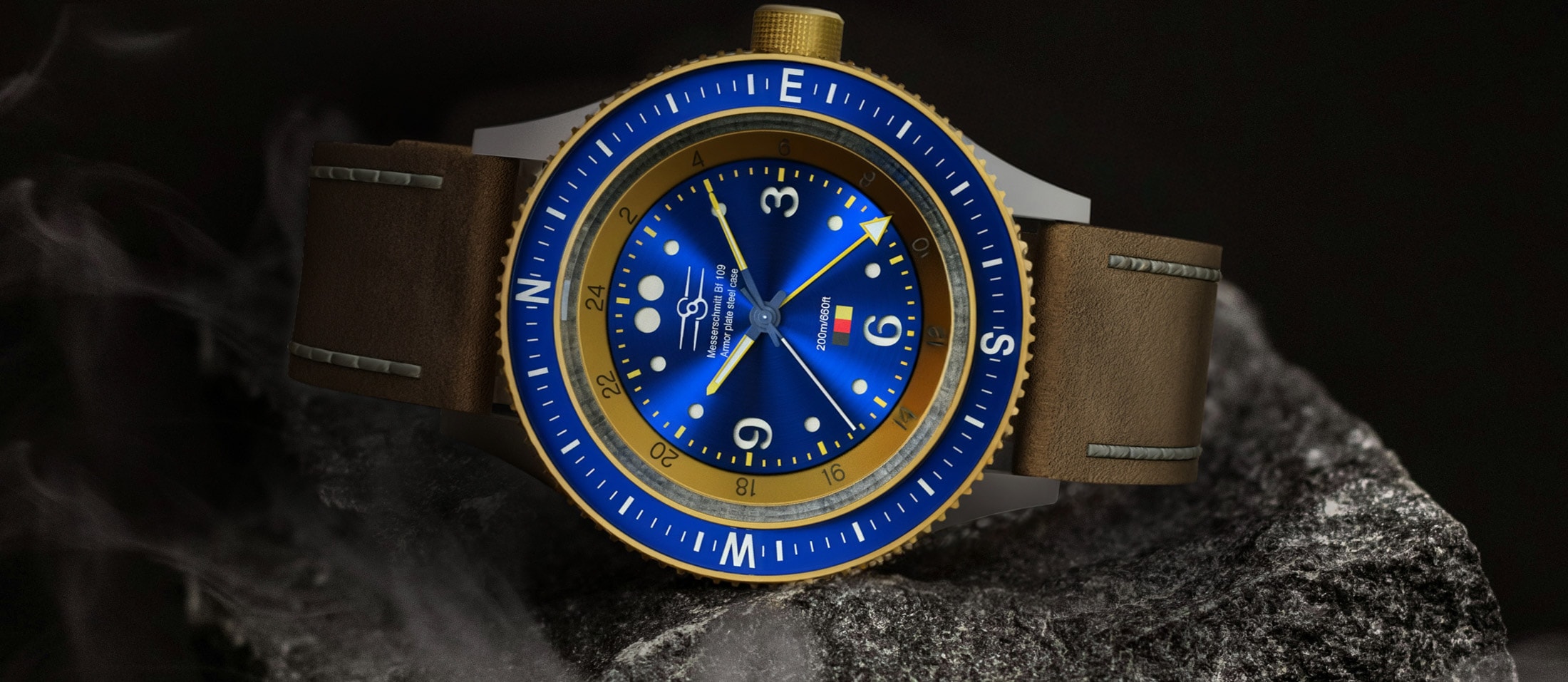
Photo · aBlogtoWatch
There's a version of heritage that lives in a marketing deck. A founder's sketch. A archive photo of a pilot squinting into the sun. A dial graphic meant to evoke something that happened before anyone in the room was alive. Most watch brands live there. It's not dishonest, exactly. But it's not the same as this.
Sopwith Watch Company makes cases from steel recovered from historic aircraft. Not inspired by. Not referencing. From. The metal in your watch case was once part of a machine that flew — actually flew — in the early years of aviation, when flying was still closer to insane than routine.
What That Actually Means
Think about what that steel has already done. It held its shape at altitude. It expanded and contracted through temperature swings that would destroy lesser materials. It was chosen, at some point, by engineers who needed it to not fail. That's not romance — that's a material with a résumé.
When you put that on your wrist, you're not wearing a tribute. You're wearing a continuation. The object has a life before you, which is something almost nothing you own can honestly claim.
I've worn watches with dials printed to look like cockpit instruments. I've worn pieces with case backs engraved with aircraft silhouettes. I understand the appeal — there's real craft in translating that world into something wearable. But there's a ceiling to what a reference can do. At some point you're just looking at a picture of a thing, not the thing.
The Part That's Hard to Manufacture
Patina is the word the watch world uses when something looks old. Usually it means a dial that's shifted color, a case that's taken some wear, a strap that's broken in. Collectors pay for it because it signals time actually passed — the watch wasn't sitting in a drawer. It was out in the world, accumulating evidence.
But even the most gloriously patinated vintage Rolex only goes back so far. The steel itself is just steel. It doesn't remember anything.
Sopwith's steel does — or as close to remembering as metal gets. There's a specific gravity to wearing material that was part of something consequential. You can't fake that with finishing techniques or distressing or aged indices. Either the material has a history or it doesn't.
Why This Matters More Than It Might Seem
We're deep into an era of storytelling as product. Every brand has a narrative now. Every release has a reason. The craft of the pitch has gotten so good that it's genuinely hard to feel the difference between something that earned its story and something that was assigned one.
Sopwith sidesteps that entirely by starting with the object itself. The story isn't constructed — it's inherited. And that changes the relationship you have with the watch.
Most watches you buy and then learn to love. You accumulate the memories, build the associations, develop the attachment over time. A Sopwith arrives with some of that already done. Not your memories, obviously. But evidence of a life. A physical record that something happened here, long before the watchmaker got involved.
That's not a small thing. That might be the whole thing.
The brands with the biggest marketing budgets are working very hard to make you feel connected to history. Sopwith just hands you a piece of it and steps back.