American-Made Has Always Been a Bet. We Just Stopped Admitting It.
A question about parts percentages turns out to be a question about who we've been lying to.
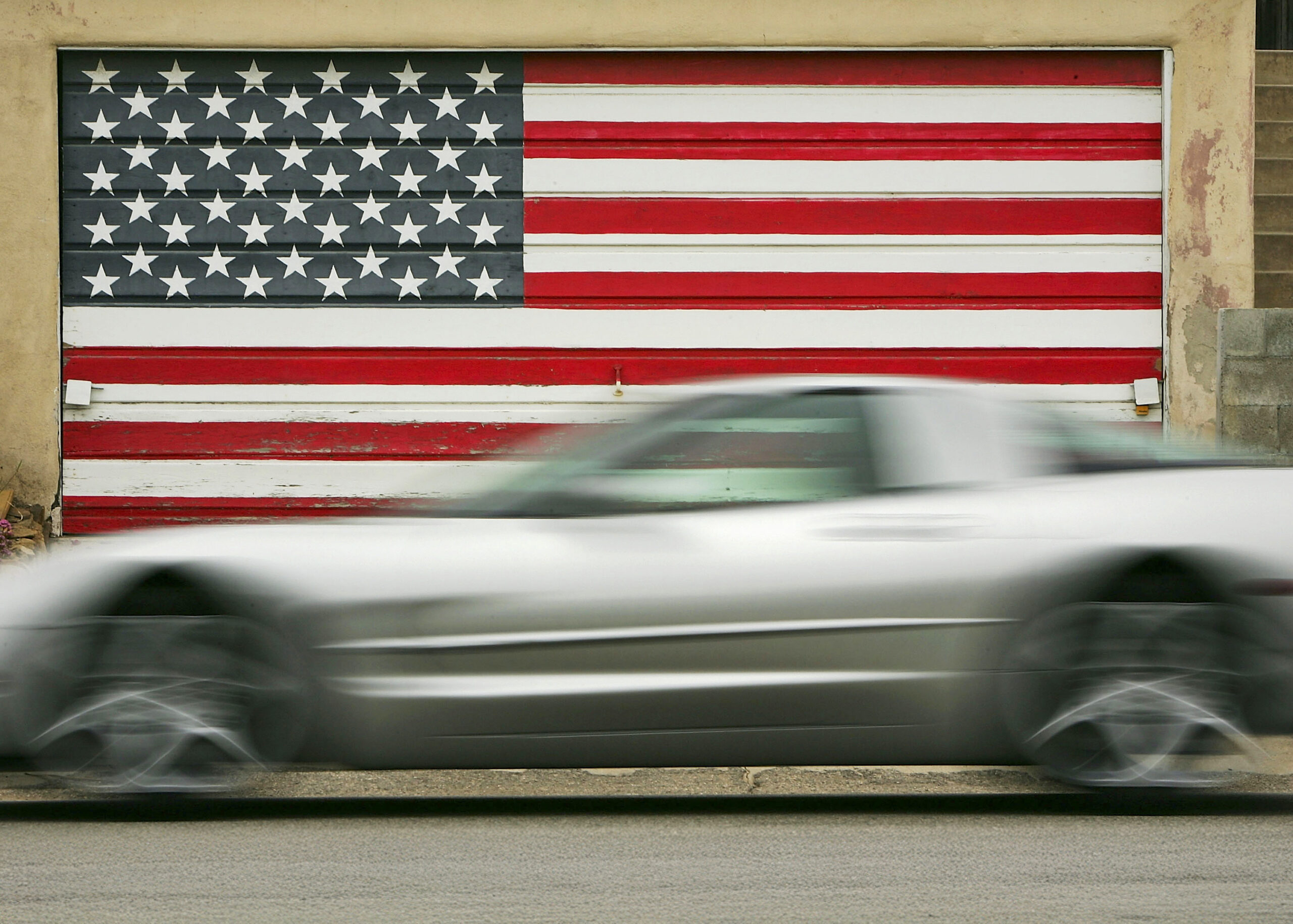
Photo · Hagerty Media
The Bet
Somewhere between Pawtucket and Pismo Beach — that's the geography Hagerty Media invokes when they set the scene — someone is winning bar money on a trick question. What's the most American vehicle you can buy in 2026? The jaws go slack when the answer lands. Which means the answer is not what the room expected. Which means the room had assumptions. Which means those assumptions were wrong.
That's the story, and it's not really about the car.
A writer at Hagerty Media has staked out a position that sounds like automotive trivia but functions more like a stress test on a load-bearing idea. The question of what makes a car American — measured by the national origin of its parts, by the labor behind those parts, by the actual human beings clocking in and raising families and paying mortgages along the supply chain — turns out to produce answers that contradict the brands most people would reflexively trust with the label.
I find that interesting not because the answer is surprising in 2026, but because it took this long for the question to be asked with this kind of rigor in a room full of people who care about cars.
The Label's Credibility Problem
For decades, "American-made" operated as a kind of emotional shorthand. It meant something about loyalty, about provenance, about values that had less to do with the actual latitude and longitude of a stamping plant and more to do with a feeling. You bought the truck. You understood why you bought the truck. Nobody asked you to show your work.
The problem with feelings is that facts eventually catch up to them. And somewhere in the accounting of where each part originates — who cut the steel, who threaded the bolts, whose neighborhood the factory sits in — the brand story and the parts reality start to diverge. Not dramatically, not scandalously, just quietly and consistently, the way most comfortable myths diverge from what actually happened.
What Hagerty has done, whether they framed it this way or not, is make that divergence visible in a single bar bet. Win the bet and you've also, accidentally, introduced doubt into a label that was built on certainty. That's a hard thing to do in car culture, where identity runs deep and tribal affiliations are defended with the intensity usually reserved for sports franchises.
The brand you've trusted might not pass its own test. The brand you dismissed might. That's not a scandal. That's just the math.
The Answer Was Always Political
Here's what I keep coming back to: the precise answer matters less than the fact that the question is now being asked at all.
"American-made" was never a neutral descriptor. It was a political instrument before it was a consumer category, deployed in trade debates, election cycles, labor negotiations, tariff arguments. The flag got attached to certain hoods not because someone ran the parts percentages and declared a winner, but because certain brands served certain narratives at certain moments. The label stuck. The math was never really the point.
Which means anyone trying to answer the question honestly — anyone actually tallying the origin of components and the zip codes of the workers who assembled them — is doing something subtly radical. They're insisting the label mean what it says. They're demanding the shorthand earn its own definition.
That's uncomfortable for everyone. It's uncomfortable for brands that benefit from the association without fully satisfying it. It's uncomfortable for consumers who've organized part of their identity around a purchase. And it's uncomfortable for the political machinery that relies on the label to mean something emotionally durable regardless of what's actually under the hood.
The bar bet works because it exposes all of that at once, in a single surprised silence.
What the Silence Means
I've been in rooms where someone's favorite car got questioned. Not criticized — questioned. The reaction is disproportionate, almost always, because the car isn't really the thing being questioned. The car is just where the identity lives. Touch the car and you've touched something else entirely.
That's why a piece like Hagerty's lands differently than it would have even a few years ago. The supply chains that always made "American-made" complicated are now visible in ways they weren't before — reshoring debates, tariff announcements, factory closure news cycles. People have been forced to learn that the thing they buy has a geography more complex than its badge implies.
So when someone finally runs the actual numbers on which 2026 vehicle wins the parts-origin contest, and the answer upends the expected hierarchy, the silence in the bar isn't ignorance. It's recognition. The bet works because somewhere, the bettor already half-knew they might lose.
The most American thing about this whole conversation might be that it took a bar bet to make it honest.
Keep reading cars.

800 Horsepower, One Ton of Doubt
Lamborghini built the most powerful SUV it's ever made. It's also slower than what it replaced.

£11,990 Draws a Line Under Every Excuse You Had Left
Dacia just made the cheapest new car in Britain electric — and that's not a footnote, it's a verdict.
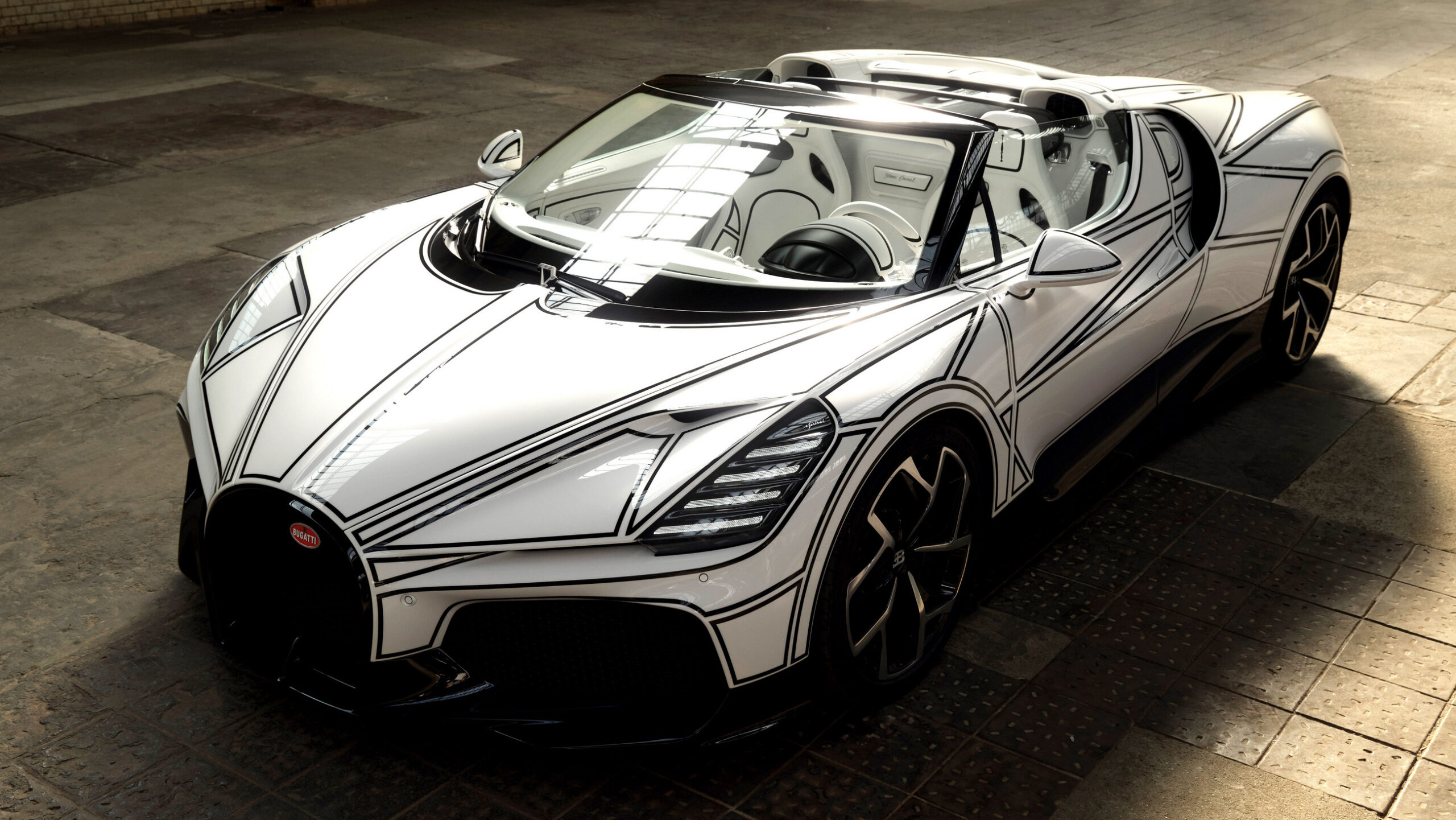
Blanc Éternel Hides Its Speed Behind a Gas Cap
Bugatti built a 261-mph roadster and made sure you'd notice the porcelain first.
From the other desks.

Gold Leaf on a Lacquer Dial, and the Weight of What That Costs
Awake's Frosted Leaf Royal Blue asks a question Vietnamese craft has never quite had to answer at this price.

ESPN Named Him. Then Unnamed Him. Nobody's Explaining the Gap.
A retraction without a reckoning is just a deleted link.

Hide My Email Has Been Showing Your Email
Apple's privacy flagship has a hole in it. They've known for over a year.