ESPN Named Him. Then Unnamed Him. Nobody's Explaining the Gap.
A retraction without a reckoning is just a deleted link.

Photo · Defector
There's a version of accountability that looks like accountability without actually being it. You publish. You retract. You issue a statement that says the piece 'contained errors.' You move on. The news cycle helps. It always does.
That's what ESPN did with Mike Pennel Jr.
What Actually Happened
In April, ESPN first named Pennel — a free-agent defensive lineman — as a person of interest in a homicide investigation in the Dominican Republic. The reporting connected him to Carli Franchesca Guzmán Roche, a woman who disappeared in 2021 and whose remains were discovered in January 2026 on property in Puerto Plata. Then in June, ESPN published a follow-up piece, bylined by T.J. Quinn and Juan Recio, that went further — claiming Pennel had 'an ongoing relationship' with Guzmán Roche and mentioning two of his associates by name: LeAndre Kemont Jefferson and Tyree Lamont Davis. The piece cited interviews with people close to the victim and police records. Pennel, for his part, denied any connection to Guzmán Roche in the original article.
Then ESPN deleted it. Both pieces, according to reporting from Awful Announcing and Defector. The statement ESPN issued admitted the most recent story 'contained errors.' That's the whole explanation. That's the accountability.
The Part That Doesn't Go Away
Here's what a retraction can't undo: the original publication. A man's name — attached to a murder investigation, to a missing woman, to a body found on property — was put into the world by one of the most-read sports platforms on earth. The archived version of the deleted article still exists, as Defector noted. The internet doesn't forget on command just because a network issues a statement.
Three men were named in that piece. Pennel. Jefferson. Davis. None of them are household names in the way that would make their publicists capable of managing the fallout. They're not quarterbacks with crisis communications teams. They're a free agent and two private individuals who got caught in a story that ESPN now says contained errors — without specifying what those errors were, or how central they were to the thesis of the piece.
That specificity gap is doing a lot of work right now. 'Contained errors' is a phrase designed to close a chapter, not open one. It tells you something went wrong. It does not tell you whether the wrongness was a misattributed quote, a misidentified property record, or something closer to the core claim. The difference between those things is enormous — legally, reputationally, and morally.
Sports journalism has spent years arguing that it matters, that it does more than recap games and manage access relationships. That argument rests almost entirely on the moments when it gets a hard story right. When an outlet the size of ESPN connects a professional athlete to a death investigation, the bar for sourcing isn't just high — it has to be airtight. 'Interviews with people close to the victim and police records' sounds like sourcing. Whether it was adequate sourcing is exactly what ESPN isn't telling us.
The retraction is real. The correction is not the same thing as the reckoning.
Someone should explain the gap between those two words — and so far, no one has.
Keep reading sports.

Three People Died Celebrating. FIFA Hasn't Said Their Names.
Mexico City buried three people after the World Cup crowds came through. At some point, the sport has to sit with that.

Sell the Stadium, Lose the Room
NFL franchises are rolling out the welcome mat for World Cup tourists — and the desperation is showing.
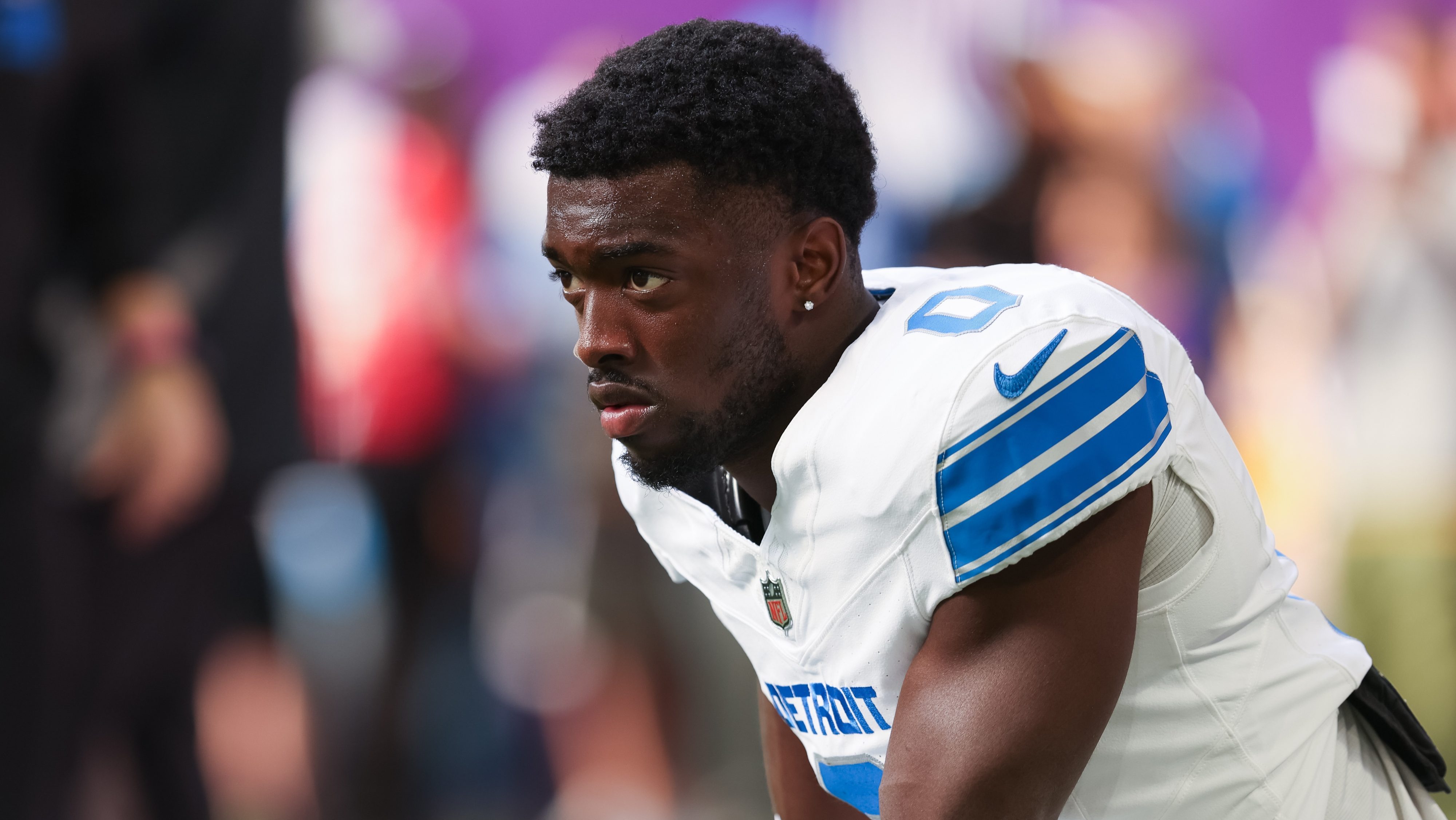
Detroit Didn't Wait for a Verdict
The Lions cut Terrion Arnold hours after his bail hearing. That timeline is its own kind of statement.
From the other desks.

800 Horsepower, One Ton of Doubt
Lamborghini built the most powerful SUV it's ever made. It's also slower than what it replaced.

Gold Leaf on a Lacquer Dial, and the Weight of What That Costs
Awake's Frosted Leaf Royal Blue asks a question Vietnamese craft has never quite had to answer at this price.

Hide My Email Has Been Showing Your Email
Apple's privacy flagship has a hole in it. They've known for over a year.