Detroit Didn't Wait for a Verdict
The Lions cut Terrion Arnold hours after his bail hearing. That timeline is its own kind of statement.
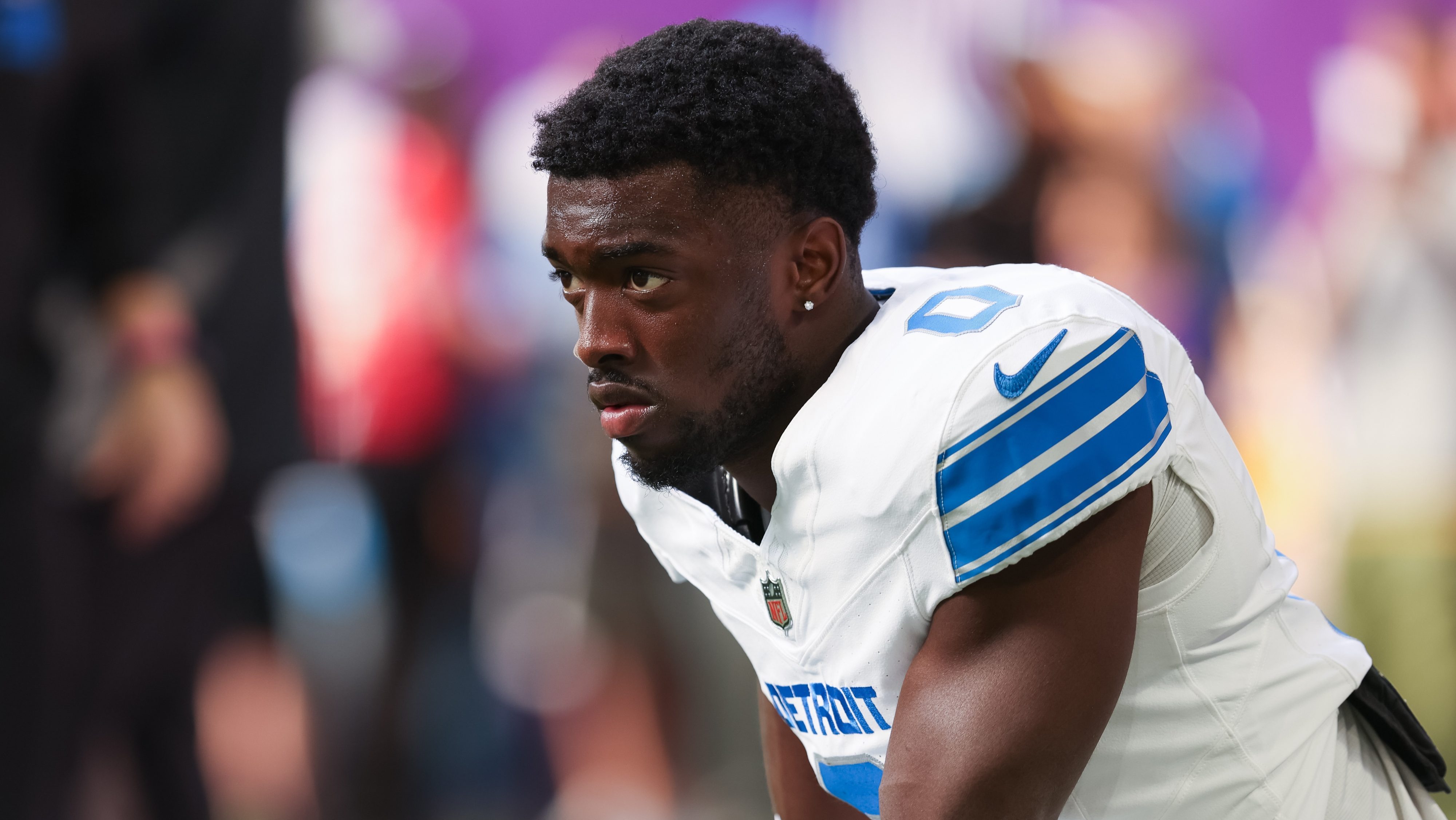
Photo · Defector
A judge set bail. A team cut a player. The whole sequence took a few hours.
That's the story Defector covered this week — the Detroit Lions releasing cornerback Terrion Arnold, a former first-round pick, shortly after a bail hearing in Hillsborough County, Florida concluded. Arnold faces four counts of kidnapping and four counts of armed robbery. Prosecutors had pushed to hold him without bail. The judge disagreed, set bail at $1 million, barred contact with codefendants, required Arnold to surrender his passport, and restricted his movement to home and legal appointments. The ankle monitor request was rejected.
A few hours later, Detroit made it permanent.
The Business Cycle Doesn't Pause for Proceedings
What's interesting isn't the Lions' decision in isolation. Teams have always reserved the right to move on from players facing serious charges. What's worth sitting with is the speed — the fact that a franchise processed, evaluated, and acted on a situation before the legal system had done anything close to resolving it.
The hearing didn't determine guilt. It determined whether Arnold would be housed in a jail or his home while the case develops. That's an early procedural moment, not a verdict. Courts move at the pace courts move. NFL rosters, apparently, move faster.
There's a real tension here that doesn't get examined enough: when an organization acts in hours, it implicitly signals that the institutional calculus — liability, optics, roster construction — runs on a completely different clock than due process. That may be a franchise's legal right. But it doesn't mean the choice is neutral.
What the Speed Reveals
A writer at Defector noted the sequence plainly: bail set, Arnold released by the Lions shortly after. No editorializing needed. The timeline speaks.
And it raises a question worth pressing. If the judge — a chief judge, in a serious case with serious charges — determined Arnold was not a flight risk warranting detention, what exactly did the Lions decide they knew that the court hadn't? Teams aren't running parallel investigations. They're reading the same news the rest of us are, absorbing the reputational math, and acting.
That's not necessarily wrong. But it's worth naming for what it is: a business making a business decision dressed in the language of standards.
Arnold was entering his third season. First-round pick. That's not a fringe roster move — that's a meaningful piece of a defensive backfield getting removed from the equation before a trial date is even set. The Lions aren't obligated to employ someone facing these charges. Nobody's arguing that. But the framing of these moves as principled tends to obscure that they're also convenient, and that the two things don't always deserve equal credit.
The legal system is built — imperfectly, often frustratingly — around the idea that speed is not a virtue when someone's future is at stake. NFL front offices are built around the opposite principle. When those two systems collide over the same person in the same afternoon, what survives is the one with more power over the next 24 hours.
Right now, that's not the court.
Keep reading sports.

ESPN Named Him. Then Unnamed Him. Nobody's Explaining the Gap.
A retraction without a reckoning is just a deleted link.

Three People Died Celebrating. FIFA Hasn't Said Their Names.
Mexico City buried three people after the World Cup crowds came through. At some point, the sport has to sit with that.

Sell the Stadium, Lose the Room
NFL franchises are rolling out the welcome mat for World Cup tourists — and the desperation is showing.
From the other desks.

800 Horsepower, One Ton of Doubt
Lamborghini built the most powerful SUV it's ever made. It's also slower than what it replaced.

Gold Leaf on a Lacquer Dial, and the Weight of What That Costs
Awake's Frosted Leaf Royal Blue asks a question Vietnamese craft has never quite had to answer at this price.

Hide My Email Has Been Showing Your Email
Apple's privacy flagship has a hole in it. They've known for over a year.