Nineteen Years Old, and the Car Is Already Lying to Him
Kimi Antonelli is rewriting what a rookie season looks like — but Mercedes keeps reminding everyone that the machine has its own agenda.
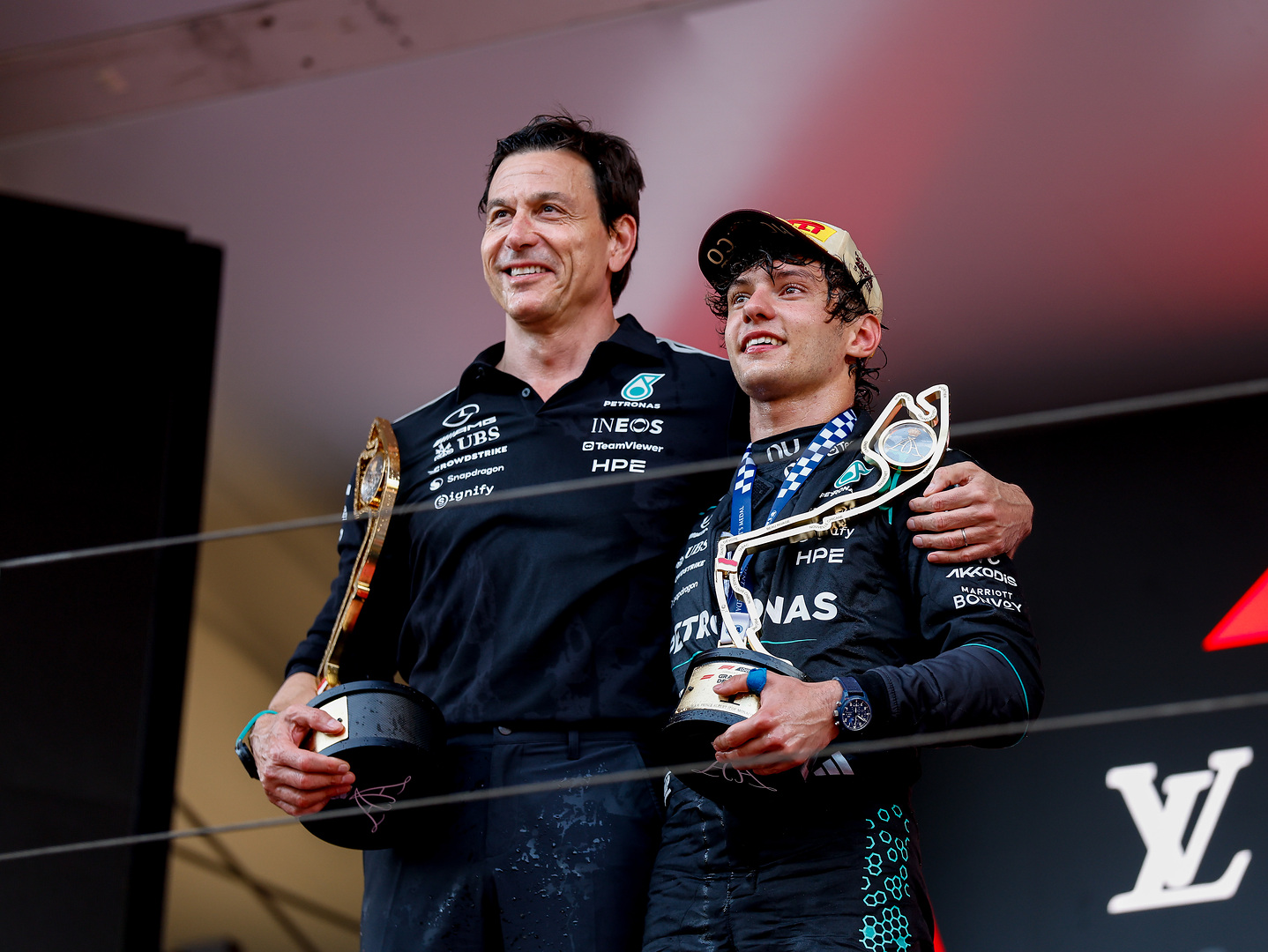
Photo · MotorBiscuit
Monte Carlo Keeps Secrets
Picture the Monaco paddock on a Sunday evening — champagne fog, the smell of hot carbon fiber, a teenager in a silver helmet who has just done something that should have taken him a decade to learn how to do. Kimi Antonelli won in Monte Carlo, and the coverage was breathless, as it tends to be when someone that young makes a street circuit look like a driveway. But buried inside the celebration was a detail that reframes the whole performance: according to James Allison, as reported by MotorBiscuit, the advantage Mercedes held in the principality came from a piece of hardware the team had simply not bothered to bring there in years. They rediscovered it. They won.
Sit with that for a moment. Not the victory — the oversight. A team of engineers with enough institutional memory to fill a library had left something useful in a drawer. Then a 19-year-old drove it to a podium finish that now belongs to history.
What the Standings Don't Show
Antonelli is the youngest championship leader in Formula 1 history. That fact comes from the reporting, and it lands differently each time you read it. Nineteen. Leading a world championship. And yet two races after Monaco, he was watching from the barrier at Circuit de Catalunya while his Mercedes coasted to a halt on Lap 62 — a battery failure, confirmed by the team, arriving just after he had passed his own teammate George Russell for second place. The race he was building toward, gone. The points gap, narrowed by circumstance rather than competition.
Those two data points — a forgotten component wins Monaco, a battery failure ends Barcelona — aren't contradictions. They're the same sentence. Mercedes in 2026 is a team capable of brilliance and capable of negligence, sometimes within the same fortnight. The car is fast enough that a teenager can lead a championship in it. The car is fragile enough that the same teenager can lose a podium to a component failure while running second. That tension doesn't resolve into a clean narrative about dominance. It resolves into a question about what 'dominant team' even means when the hardware makes its own decisions.
The Noise Inside the Garage
While Antonelli was building his championship lead, something else was building inside the Mercedes garage — or rather, outside it, in the corners of fan forums and the edges of broadcast commentary. George Russell, the team's established driver, was looking increasingly isolated. The rumors about favoritism arrived on schedule, as they always do when a team has one driver running away with a title and another struggling to keep pace. Mercedes' technical leadership addressed the speculation directly, according to MotorBiscuit's reporting, shutting down the favoritism talk with what the team apparently considered finality. The fact that they had to address it at all tells you something about the temperature in 2026.
The team also withdrew an appeal — the reporting doesn't fully detail what the appeal concerned, but the abruptness of the withdrawal is its own kind of statement. Teams don't pull appeals quietly when everything is going well. They pull them when the calculus shifts, when the optics of fighting become worse than the cost of conceding. Whatever that moment was, it added to a season that keeps generating more story than a championship battle probably should.
I keep coming back to the image of Russell in that garage — a veteran, experienced, watching a teenager he is supposed to be mentoring lead the points table. There's no cruelty in that picture. But there is something achingly familiar about it. The moment when the institution you helped build starts building around someone else.
What Stays in the Drawer
F1's competitive balance story in 2026 is supposed to be about regulation resets, new technical formulas, the sport's recurring promise that the order will shuffle. What Antonelli's season actually reveals is more uncomfortable: parity doesn't fail because the rules are wrong. It fails because of what teams forget to bring to Monaco. Because a battery decides to quit on Lap 62. Because institutional habits are slower to change than technical regulations.
The 19-year-old at the center of all this doesn't control any of it. He drives. He leads the championship. He watches his race end from the side of a Spanish road. He comes back the next weekend, because that's what the schedule demands, and because that's what this particular kind of young person does — the kind the sport produces once in a generation, the kind that makes everyone else scramble to explain what they're seeing.
Some hardware gets left in a drawer for years. Some potential does too. The difference is that eventually someone goes looking for the hardware.
Antonelli didn't wait for anyone to go looking for him.
Keep reading cars.

800 Horsepower, One Ton of Doubt
Lamborghini built the most powerful SUV it's ever made. It's also slower than what it replaced.

£11,990 Draws a Line Under Every Excuse You Had Left
Dacia just made the cheapest new car in Britain electric — and that's not a footnote, it's a verdict.
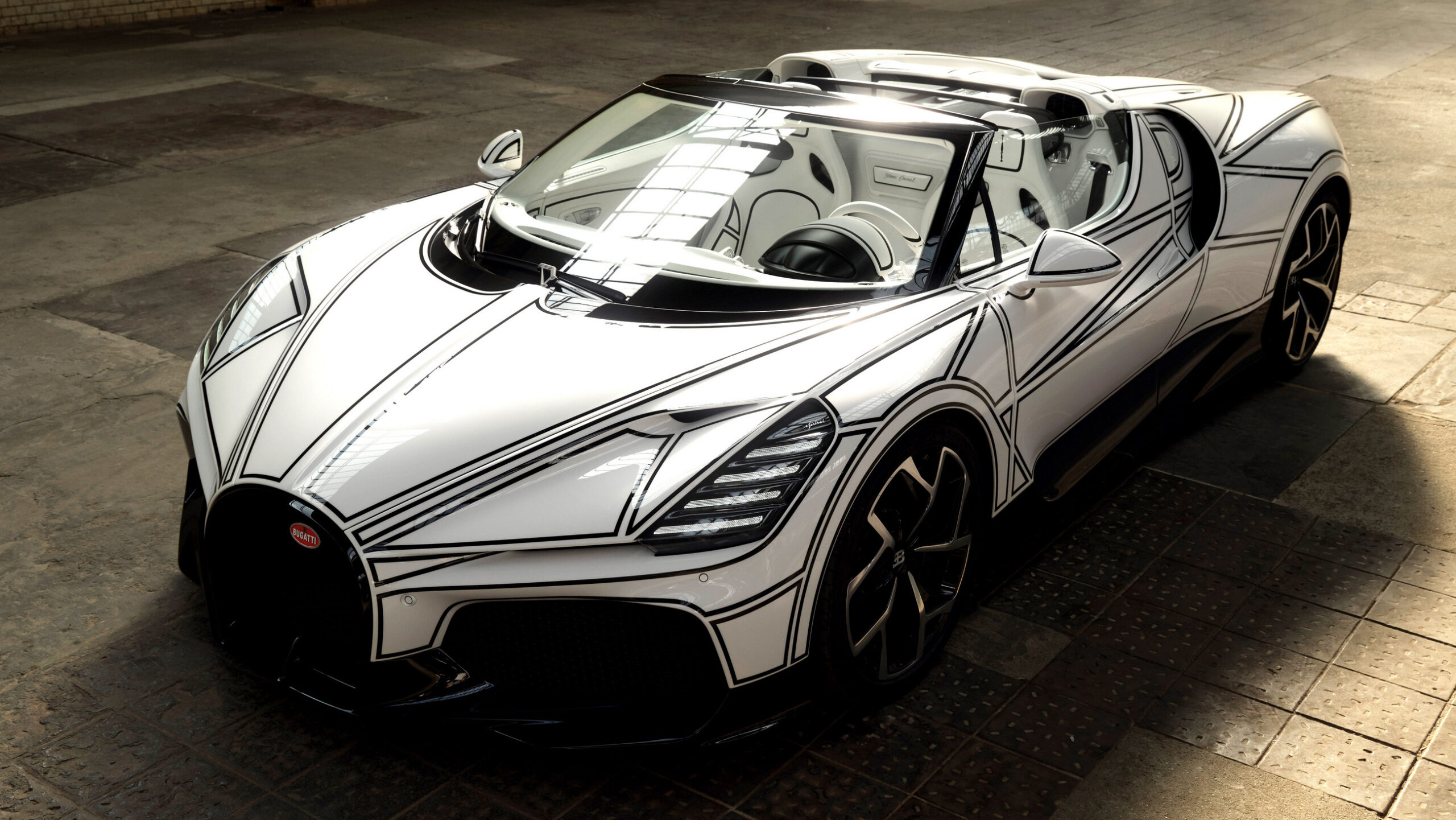
Blanc Éternel Hides Its Speed Behind a Gas Cap
Bugatti built a 261-mph roadster and made sure you'd notice the porcelain first.
From the other desks.

Gold Leaf on a Lacquer Dial, and the Weight of What That Costs
Awake's Frosted Leaf Royal Blue asks a question Vietnamese craft has never quite had to answer at this price.

ESPN Named Him. Then Unnamed Him. Nobody's Explaining the Gap.
A retraction without a reckoning is just a deleted link.

Hide My Email Has Been Showing Your Email
Apple's privacy flagship has a hole in it. They've known for over a year.