Three People Died Celebrating. FIFA Hasn't Said Their Names.
Mexico City buried three people after the World Cup crowds came through. At some point, the sport has to sit with that.

Photo · Latest Headlines - The Athletic
When the Streets Fill Up
A 19-year-old woman. A 44-year-old man. A 48-year-old woman. Three people who went into the streets of Mexico City during World Cup celebrations and didn't come back. A writer at The Athletic reported it plainly, without theater — just the ages, the city, the crowd, the outcome. The restraint in that reporting is almost harder to read than outrage would be.
This isn't a story about violence as aberration. It's a story about what happens when a tournament generates the kind of fervor that turns public space into something unmanageable, and then the tournament moves on to the next match.
That's what makes the piece worth pausing on. Not the tragedy itself — grief doesn't need a media angle — but the fact that it's being reported as a footnote to the spectacle rather than a reckoning with it.
The Credibility Problem Nobody Wants to Name
The World Cup is singular in what it does to cities. It doesn't just fill stadiums — it fills streets, plazas, highways, rooftops. The collective release is part of the product. FIFA knows this. Broadcasters know this. The sponsors who put their names on the broadcast absolutely know this. The outpouring is the point they're selling.
So when three people die inside that outpouring, the question that doesn't get asked loudly enough is: who owns that?
Not legally. Legally, these things get distributed into municipal liability and crowd management policy and nobody's hands stay dirty for long. But morally, symbolically — in the way a sport is supposed to carry itself when it claims to be more than a game — the question sits there unanswered.
The Athletic's piece is short. It doesn't try to indict anyone. But the fact that it exists at all — that someone thought it was worth writing down that three people died while the celebration raged — is a kind of indictment on its own. Coverage is a form of accountability, even when it doesn't raise its voice.
What it reveals is a credibility problem that's been building quietly around major tournament football. The spectacle keeps scaling. The infrastructure around it — safety, crowd management, the basic question of what happens to the people in the streets — doesn't scale with it. And the sport, which is extraordinarily good at generating emotion and extraordinarily careful about protecting its brand, has never really been forced to reconcile those two things.
Until the names start appearing in the coverage.
A 19-year-old. A 44-year-old. A 48-year-old. Mexico City. The World Cup still going.
At some point, the game has to decide whether the celebration it profits from is something it's responsible for — or just a backdrop it gets to walk away from when it turns dark.
Keep reading sports.

ESPN Named Him. Then Unnamed Him. Nobody's Explaining the Gap.
A retraction without a reckoning is just a deleted link.

Sell the Stadium, Lose the Room
NFL franchises are rolling out the welcome mat for World Cup tourists — and the desperation is showing.
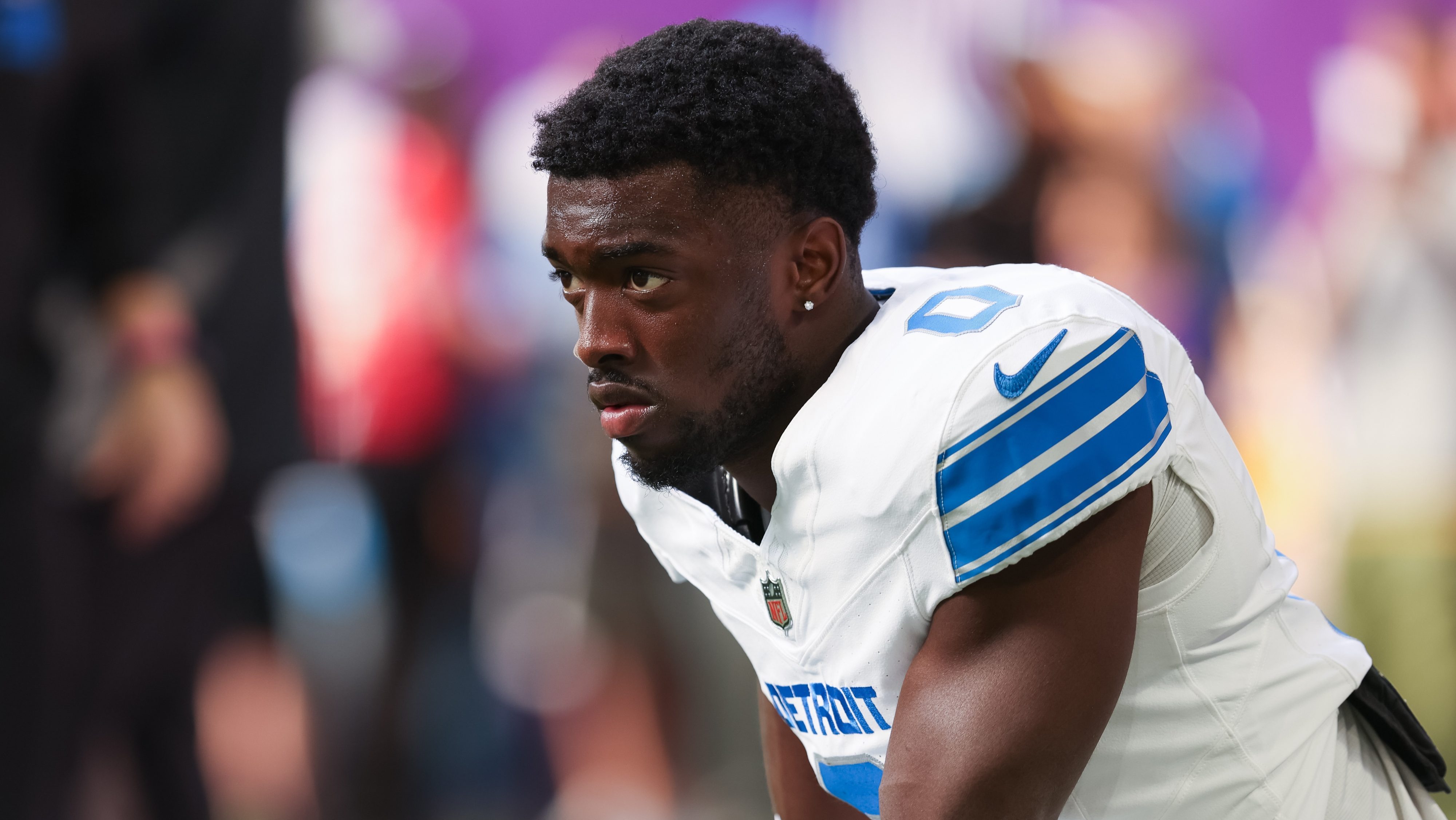
Detroit Didn't Wait for a Verdict
The Lions cut Terrion Arnold hours after his bail hearing. That timeline is its own kind of statement.
From the other desks.

800 Horsepower, One Ton of Doubt
Lamborghini built the most powerful SUV it's ever made. It's also slower than what it replaced.

Gold Leaf on a Lacquer Dial, and the Weight of What That Costs
Awake's Frosted Leaf Royal Blue asks a question Vietnamese craft has never quite had to answer at this price.

Hide My Email Has Been Showing Your Email
Apple's privacy flagship has a hole in it. They've known for over a year.