Sell the Stadium, Lose the Room
NFL franchises are rolling out the welcome mat for World Cup tourists — and the desperation is showing.

Photo · Sportico.com
There's a version of this that looks confident. A World Cup lands on American soil, millions of international visitors flood into NFL cities, and the league spots an opportunity to convert casual observers into genuine fans. Smart. Opportunistic. The kind of cross-promotion that makes business school case studies.
Then you read what's actually happening, and the confidence starts to look like something else.
The Pitch
According to reporting from Front Office Sports, NFL teams are actively courting international soccer fans with a pitch that's been distilled into a slogan worth examining: Come for the fútbol, stay for the football. Teams are leaning into the overlap — same stadiums, different crowds — and betting that proximity breeds curiosity. The logic isn't wrong. If you've already made the trip, already navigated the city, already paid for the hotel, maybe you'll buy a ticket to something else while you're here.
But embedded in that slogan is an admission the NFL would probably prefer to leave unspoken. You're not the main event. You're the afterthought with better snacks.
Meanwhile, Sportico reports that FIFA — the body that actually controls what happens inside those stadiums during the tournament — asked NFL teams to supply drumlines and cheerleaders for World Cup matches. The classic American game-day apparatus, repurposed as atmosphere for someone else's sport. NFL franchises, in their own buildings, providing the entertainment for a FIFA event.
That's not a partnership. That's a sublease.
What's Actually Being Sold
The NFL has never needed to recruit fans this aggressively on its home turf. Domestic dominance has been so complete, for so long, that the league's entire international strategy has been about exporting the product — London, Munich, São Paulo. The traffic was supposed to flow outward.
Now the traffic is flowing in, and the league's response is to station itself at the door with a brochure.
There's nothing shameful about smart marketing. But the Come for the fútbol framing reveals something about how NFL franchises currently understand their own cultural position. They're not assuming these visitors will be curious. They're not assuming the sport sells itself. They're assuming they need to work for it — and they're probably right.
The tourists arriving for the 2026 World Cup will largely come from countries where American football is a curiosity at best, a confusion at worst. The sport's rules are opaque. The stoppages are many. The context that makes a third-and-long feel like a held breath — that context takes years to accumulate. You can hand someone a jersey and a hot dog, but you cannot hand them the thing that makes the game matter.
What you can do is make the stadium feel familiar. Hence the drumlines. Hence the cheerleaders. Hence the entire production being offered to FIFA as decoration for their event, in hopes that some percentage of the crowd looks around and thinks: I'd like to come back for this.
It might work. Stranger conversions have happened. But the strategy only makes sense if the NFL has quietly accepted that organic discovery — the kind that built the sport into a domestic monolith — isn't available to them anymore in the same way. The next generation of American sports fans has options that didn't exist a decade ago. International leagues stream directly to phones. Soccer's emotional grammar is increasingly native here. The league that once didn't have to explain itself is now writing the explanation.
The World Cup is coming to NFL stadiums. The NFL is hoping some of that crowd stays.
When you're the building and not the game, you're already playing catch-up.
Keep reading sports.

ESPN Named Him. Then Unnamed Him. Nobody's Explaining the Gap.
A retraction without a reckoning is just a deleted link.

Three People Died Celebrating. FIFA Hasn't Said Their Names.
Mexico City buried three people after the World Cup crowds came through. At some point, the sport has to sit with that.
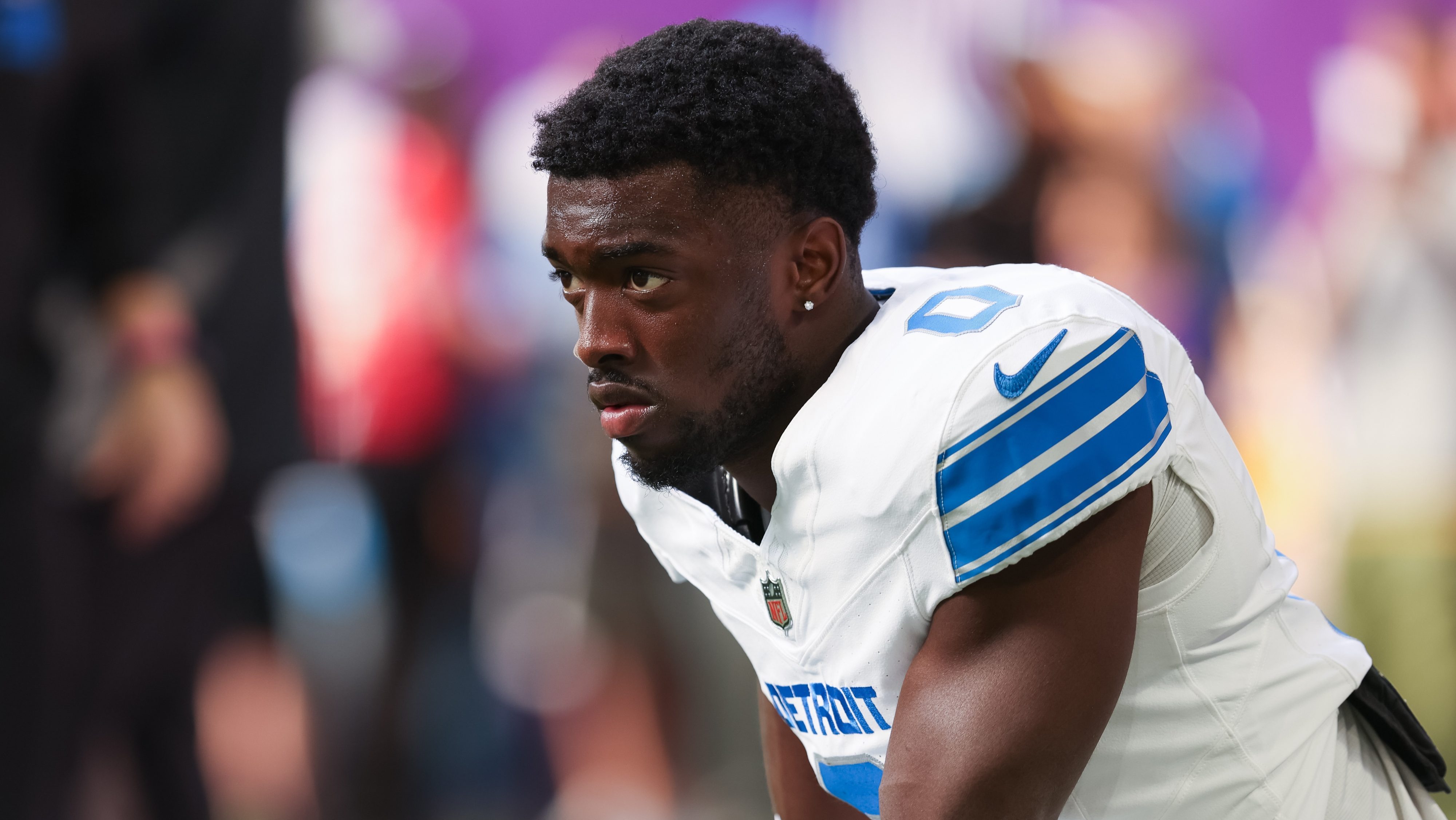
Detroit Didn't Wait for a Verdict
The Lions cut Terrion Arnold hours after his bail hearing. That timeline is its own kind of statement.
From the other desks.

800 Horsepower, One Ton of Doubt
Lamborghini built the most powerful SUV it's ever made. It's also slower than what it replaced.

Gold Leaf on a Lacquer Dial, and the Weight of What That Costs
Awake's Frosted Leaf Royal Blue asks a question Vietnamese craft has never quite had to answer at this price.

Hide My Email Has Been Showing Your Email
Apple's privacy flagship has a hole in it. They've known for over a year.