Audi's Best Headlights Were Always Ready. America Wasn't.
The engineering cleared the bar years ago. The paperwork just caught up.
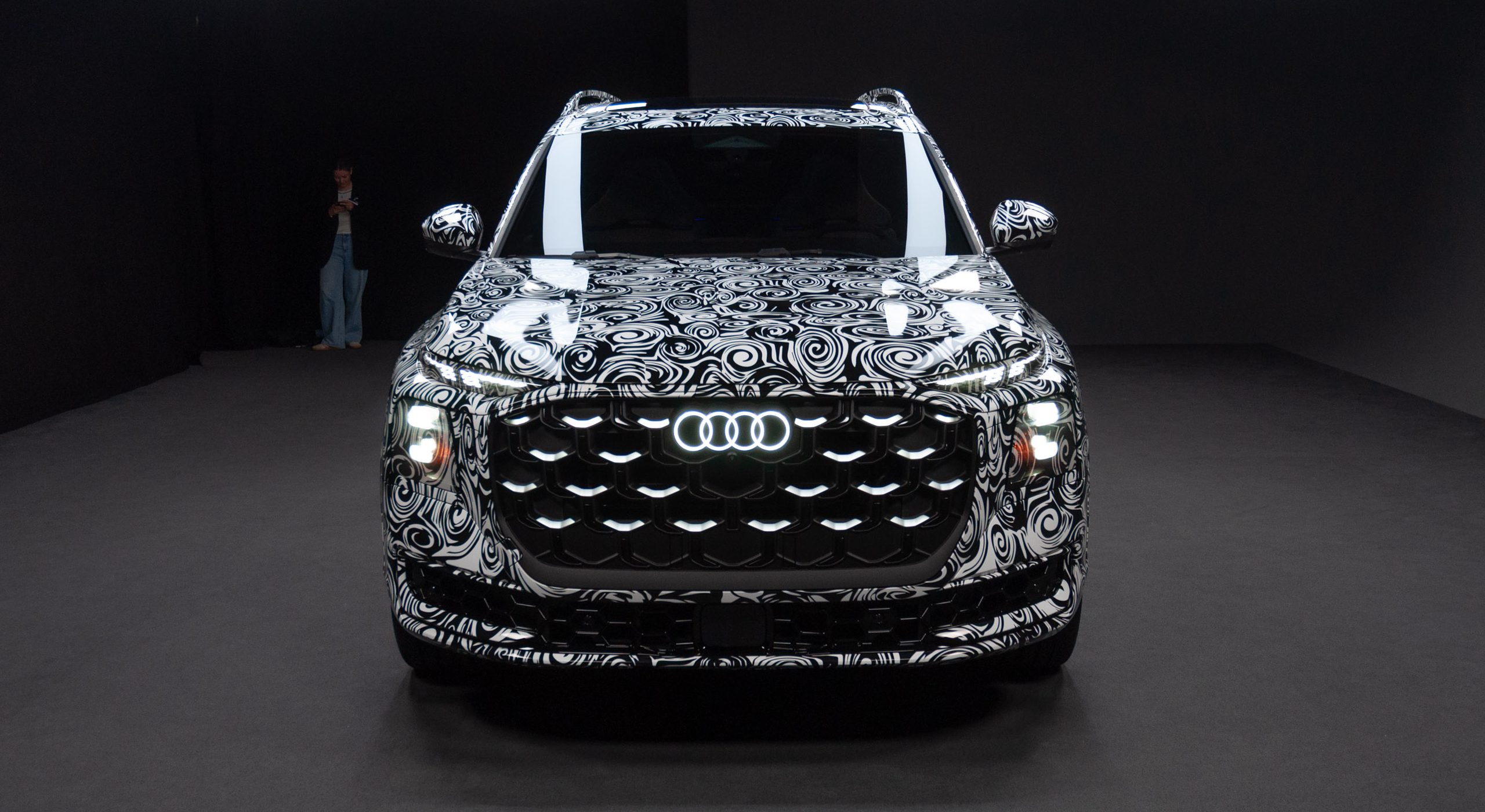
Photo · The Drive
A writer at The Drive noted it almost in passing — Audi's Digital Matrix LED headlights, long standard in Europe, are finally coming to the American market, debuting on the upcoming Q9. The sentence reads like good news. It is good news. But sit with it for a second, because the more interesting story is the one it quietly indicts.
The technology was never the problem.
What Was Actually Waiting
Matrix LED systems — the kind that can selectively dim individual segments of the beam to avoid blinding oncoming drivers while keeping the rest of the road lit — have been available to European buyers for years. Not as a prototype. Not as a concept at an auto show. As a thing you could order, configure, and drive home in. The engineering was done. The hardware existed. Audi wasn't holding it back waiting for a better chip or a cheaper supplier.
American regulations simply hadn't caught up to what the system was designed to do. The rules governing headlight behavior on U.S. roads were built around a different era of lighting technology, and adaptive high-beam logic didn't fit neatly inside them. So the feature sat, cleared for landing in Frankfurt and Munich and Oslo, circling indefinitely over every American interstate.
That's not a supply chain failure. That's not an engineering gap. That's a paperwork problem that cost drivers years of worse visibility on dark roads.
The Q9 Gets to Be the Beneficiary
Now, reportedly, the Q9 will be where this finally lands in America. Which is a fine debut — a flagship SUV is a logical place to introduce technology that will presumably filter down. But there's something almost absurd about framing it as an arrival when the more accurate description is an overdue clearance.
The instinct is to celebrate. And fine, celebrate. Better headlights on American roads are unambiguously good. Nighttime driving is already the most dangerous window — reduced visibility, tired drivers, unpredictable conditions. Any technology that puts more light exactly where you need it, and pulls it back precisely where you don't, is a net positive for everyone sharing the road. That's not a minor convenience feature. That's a safety system.
But the celebration should come with the acknowledgment that this gap — years wide, measured in real-world driving conditions — existed because of regulatory structure, not because anyone was still figuring out how to make it work. European drivers have been using it. The tech was proven. The delay was institutional.
There's a version of this story that gets told as a triumph of American automotive standards — rigorous, cautious, thorough. And sure, there's value in not rushing things. But at some point caution becomes a euphemism for slow, and slow has consequences that are easier to ignore when they're distributed across millions of nighttime drives rather than concentrated into a single visible failure.
The Drive's piece is short. It's a news item, not an investigation. But the fact that someone is writing 'finally coming to America' in 2025 about technology that was road-legal in Europe long before this — that's the sentence worth reading twice.
We didn't wait because the headlights weren't ready. We waited because the forms weren't.
Keep reading cars.

800 Horsepower, One Ton of Doubt
Lamborghini built the most powerful SUV it's ever made. It's also slower than what it replaced.

£11,990 Draws a Line Under Every Excuse You Had Left
Dacia just made the cheapest new car in Britain electric — and that's not a footnote, it's a verdict.
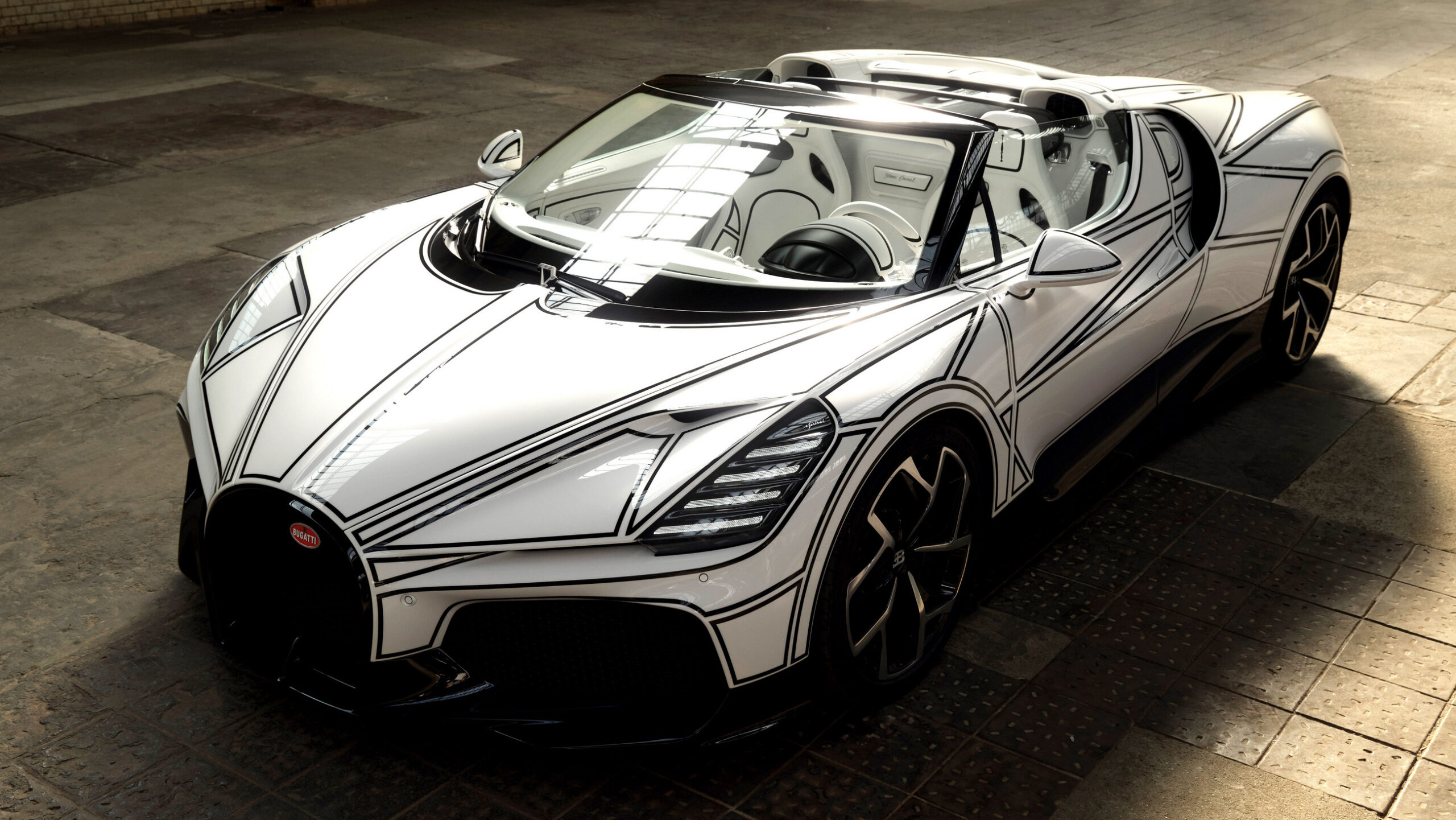
Blanc Éternel Hides Its Speed Behind a Gas Cap
Bugatti built a 261-mph roadster and made sure you'd notice the porcelain first.
From the other desks.

Gold Leaf on a Lacquer Dial, and the Weight of What That Costs
Awake's Frosted Leaf Royal Blue asks a question Vietnamese craft has never quite had to answer at this price.

ESPN Named Him. Then Unnamed Him. Nobody's Explaining the Gap.
A retraction without a reckoning is just a deleted link.

Hide My Email Has Been Showing Your Email
Apple's privacy flagship has a hole in it. They've known for over a year.