Ram Built a 777-Horsepower Street Truck and Called the Bluff
Three years ago, Stellantis was burying the V8. Now there's a Hellcat pickup that runs to 60 faster than a BMW M3.
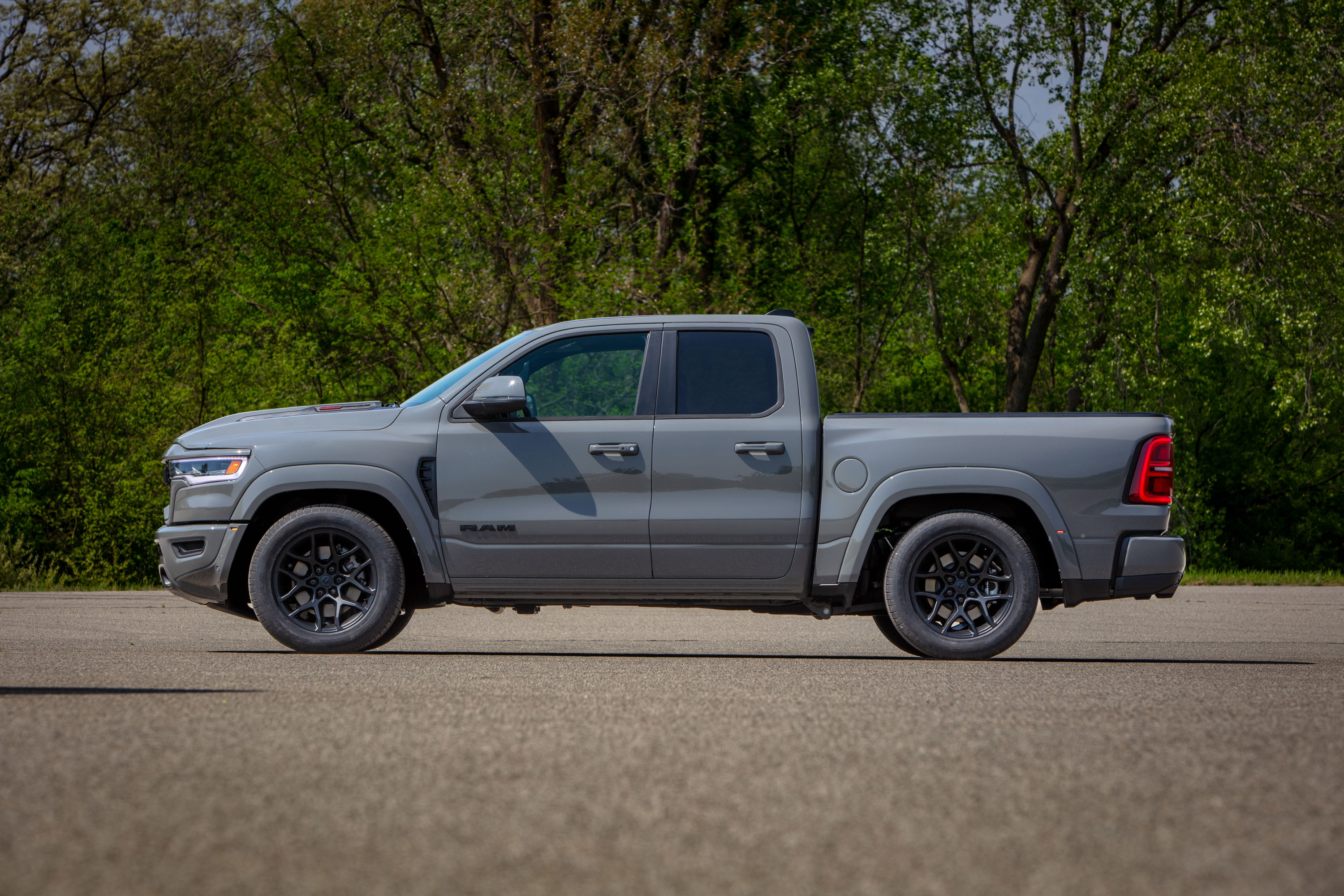
Photo · The Drive
Somebody Stashed a Case in the Basement
In 2023, the obituaries were already written. The Hemi was going away. The Charger and Challenger were being retired for an EV-first future. The muscle car era was quietly being boxed up and shipped to storage. The Autopian noted it plainly: it felt like the party had finally died at Auburn Hills.
Then Ram unveiled three Rumble Bee pickups with a 777-horsepower Hellcat at the top, a 0–60 time that reportedly undercuts a BMW M3, and a stated top speed of 170 mph. The party didn't die. Someone just moved it to a short-wheelbase truck.
That whiplash is worth sitting with for a moment. Not because the engineering is surprising — Ram has been building unhinged V8 products long enough that nobody should flinch — but because of what it says about how quickly a brand can reverse course when it decides culture matters more than a roadmap. Less than a year before the Rumble Bee reveal, Hagerty noted, Ram had already brought the 5.7-liter Hemi back to its half-ton lineup. The Rumble Bee isn't an isolated decision. It's a direction.
The range itself comes in three flavors: a 395-horsepower Hemi, a 470-horsepower 392, and the SRT with the full 777. According to Motor1, all of them ditch automatic stop/start — a small detail that lands like a statement of intent. This is not a truck trying to apologize for itself.
The Cab Nobody Wanted to Have This Argument About
Here's where it gets interesting. Ram CEO Tim Kuniskis, per Carscoops, is fully aware that building the Rumble Bee as a quad cab-only truck is going to draw complaints. He's apparently prepared to absorb them. The Drive took a swing at the same irony: a single-cab version could shed around 300 pounds, but single-cab trucks don't sell, so the weight stays, and the conversation about what a real street truck should be gets murkier.
It's a genuine tension. You want the shortest, lightest, most focused version of a high-horsepower truck. The market wants four doors and a back seat for the kids and a reason to justify the purchase to a spouse. Ram's answer is: fine, we'll give you both, and we'll make it run 170 miles an hour anyway. The compromise doesn't feel like surrender. It feels like someone did the math and decided 777 horsepower covers a lot of philosophical ground.
For context on where this sits competitively — The Drive put it bluntly, comparing the Rumble Bee family to what Ford and Chevy have offered in the street truck space and finding them wanting. Motor1 traces the Rumble Bee's lineage back to the SRT10, Ram's previous attempt at a performance pickup. The difference now is that Ram isn't offering one extreme truck as a halo stunt. They're offering an entire range, with the Hellcat at the top as the logical conclusion rather than the exception.
The NASCAR Truck Series tie-in, noted by TheTruthAboutCars, gives the whole thing an additional layer of intent. This isn't just about selling trucks. It's about controlling a narrative — about what Ram means, what American truck culture is allowed to be, and who gets to define the ceiling on what a production pickup can do.
Jalopnik called it the right truck at the wrong time, and I understand the argument: the regulatory environment, the fuel economy math, the EV pressure. All real. All true. But "wrong time" assumes the culture is moving in one direction, and the Rumble Bee is evidence it isn't — or at least that a significant chunk of buyers don't care which way the wind is blowing as long as the exhaust note is loud enough to drown it out.
Seven hundred seventy-seven horsepower in a production truck isn't a specification. It's a dare.
Keep reading cars.

800 Horsepower, One Ton of Doubt
Lamborghini built the most powerful SUV it's ever made. It's also slower than what it replaced.

£11,990 Draws a Line Under Every Excuse You Had Left
Dacia just made the cheapest new car in Britain electric — and that's not a footnote, it's a verdict.
Blanc Éternel Hides Its Speed Behind a Gas Cap
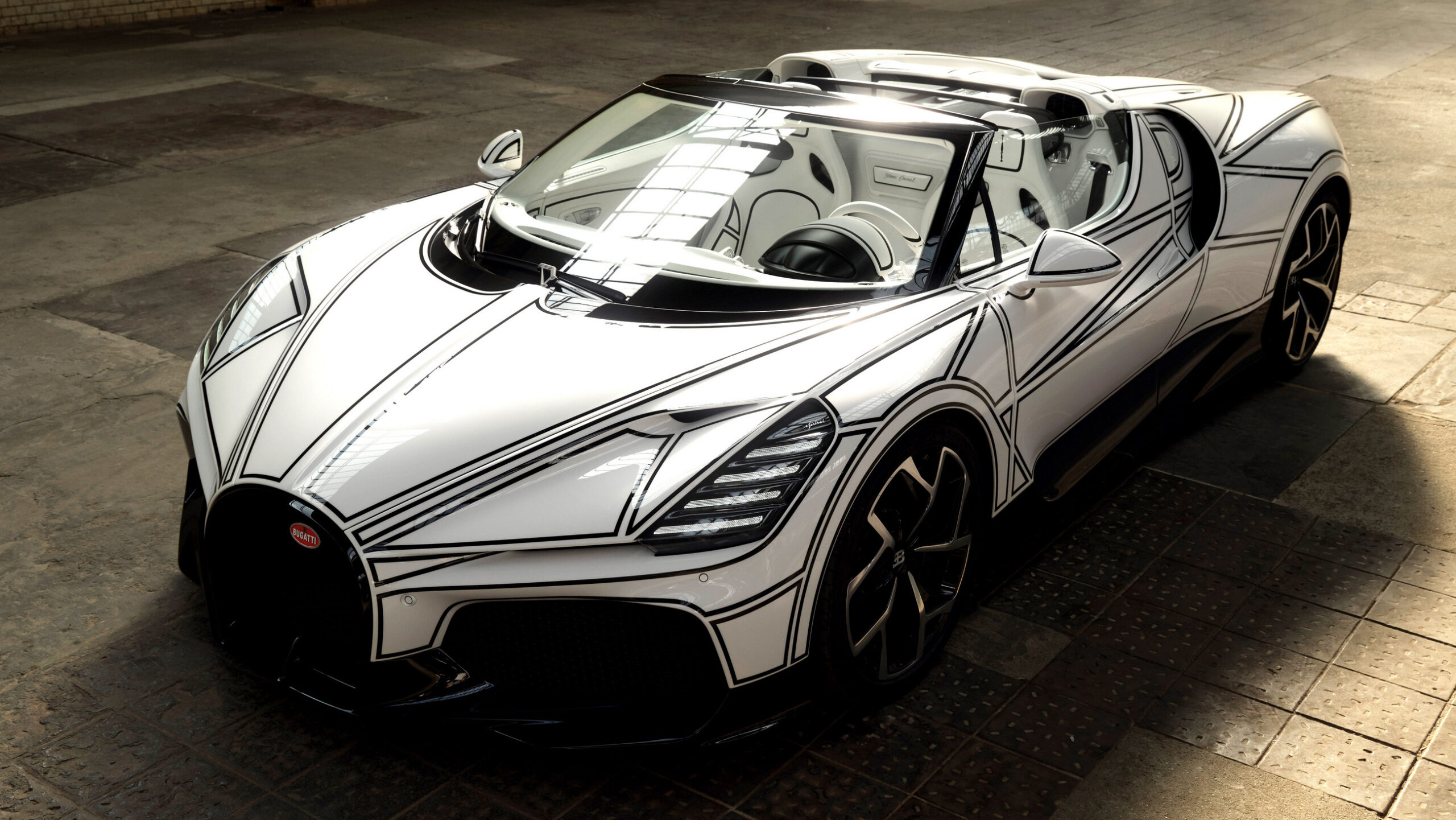
Bugatti built a 261-mph roadster and made sure you'd notice the porcelain first.
From the other desks.

Gold Leaf on a Lacquer Dial, and the Weight of What That Costs
Awake's Frosted Leaf Royal Blue asks a question Vietnamese craft has never quite had to answer at this price.

ESPN Named Him. Then Unnamed Him. Nobody's Explaining the Gap.
A retraction without a reckoning is just a deleted link.

Hide My Email Has Been Showing Your Email
Apple's privacy flagship has a hole in it. They've known for over a year.