BYD Named Its New SUV After a Defender and Drove It to England
Six hundred horsepower, seven seats, and a very deliberate address.
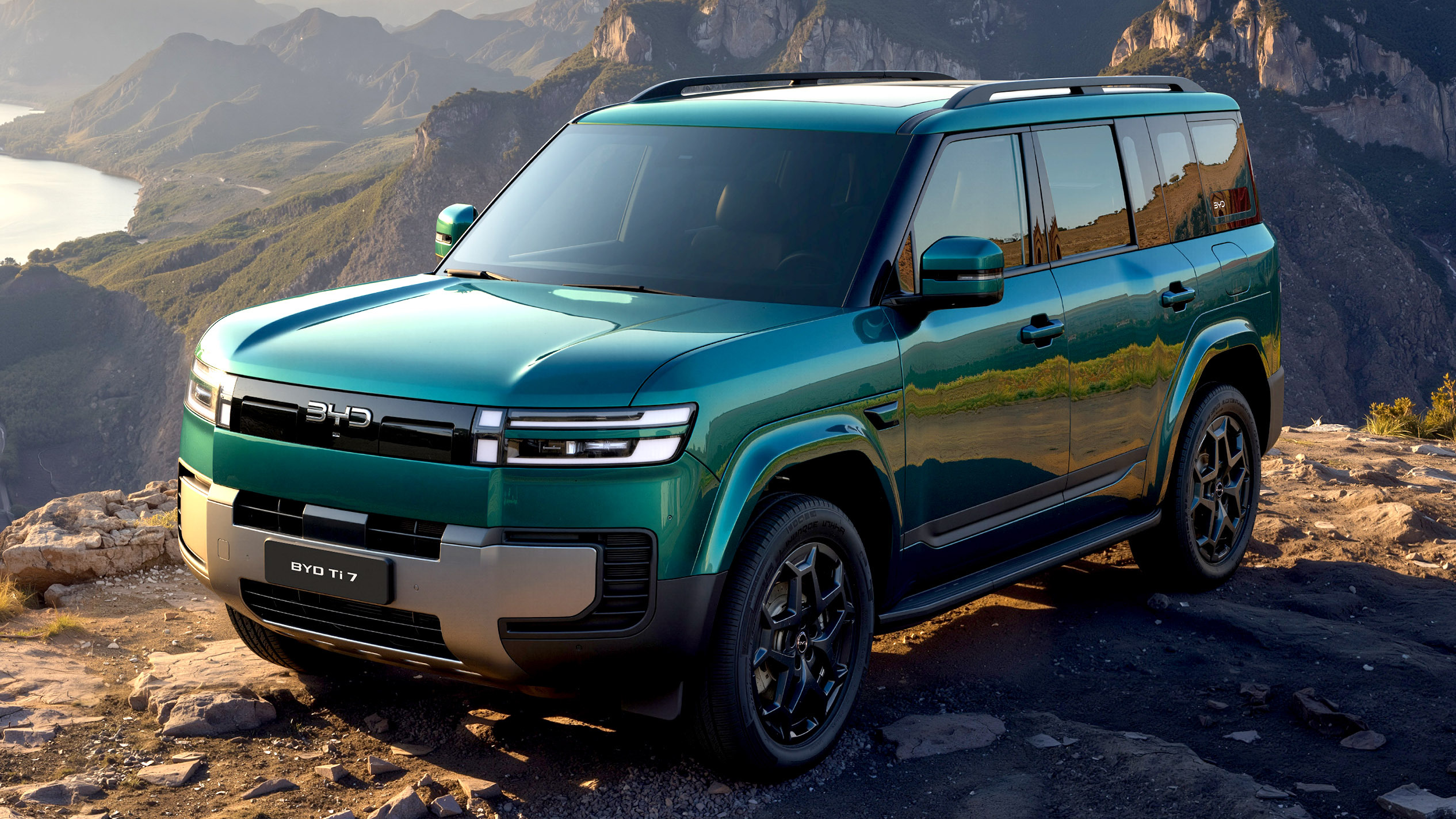
Photo · Carscoops
There's a specific kind of confidence involved in bringing a fight to someone's front yard. Not their market. Their yard. The BYD Ti7 is heading to the United Kingdom — Land Rover's home country — with seven seats, more than 600 horsepower, and a silhouette that both Carscoops and Robb Report describe as unmistakably boxy. As in: Defender-boxy. As in: they know exactly what they're doing.
This is not a coincidence of design. This is a thesis statement in sheet metal.
The Number That Changes the Conversation
Zero to 60 in 4.8 seconds, according to Robb Report. Sit with that. The Defender has always sold on character — the idea of it, the history of it, the muddy mythology built over decades. BYD is arriving with a stopwatch and asking if that mythology is worth the performance gap. It might not be. The Land Cruiser is also in BYD's stated crosshairs here, per Carscoops, which means the Ti7 isn't positioning itself as a budget alternative to anything. It's positioning itself as a straight competitor. Seven seats, serious power, and a price that hasn't been announced yet — but the intent is legible from orbit.
What both pieces register, even if neither says it plainly: the playbook has changed. Chinese EV makers spent years winning in markets where the incumbents weren't fully paying attention — where price sensitivity created an opening, where infrastructure was still being built, where the Western legacy brands hadn't bothered to show up in force. That era is over. The Ti7 launching in the UK is BYD saying it doesn't need a soft entry point anymore. It's not looking for the room where the big dogs aren't. It's walking into the room where they live.
What the Nameplate Actually Means
The Defender is not just a vehicle. It's a cultural artifact with a postal code. It belongs to a specific idea of Britain the same way a Jeep Wrangler belongs to a specific idea of America — and challenging it on its home soil is either enormously bold or slightly mad, depending on who you ask. BYD is apparently not asking.
The coverage from both outlets treats the UK launch as notable precisely because of this geography. It's not the specs that are news — 600-plus horsepower electric SUVs exist. It's the address. Showing up in Britain with a boxy seven-seater and pointing at Solihull takes a particular kind of institutional nerve, and whatever else you want to say about BYD, they have not been shy about demonstrating it lately.
The question nobody in either piece answers — because nobody can yet — is whether British buyers will engage with this on the merits. Performance figures are clean. Seating capacity is practical. The silhouette is familiar enough to register without being derivative enough to dismiss. But cars in this category aren't purely rational purchases, and the Ti7 is stepping into territory where brand equity has been accumulating for generations. BYD has momentum. It does not yet have mythology.
That gap is real. It's also, for the first time, closeable.
Keep reading cars.

800 Horsepower, One Ton of Doubt
Lamborghini built the most powerful SUV it's ever made. It's also slower than what it replaced.

£11,990 Draws a Line Under Every Excuse You Had Left
Dacia just made the cheapest new car in Britain electric — and that's not a footnote, it's a verdict.
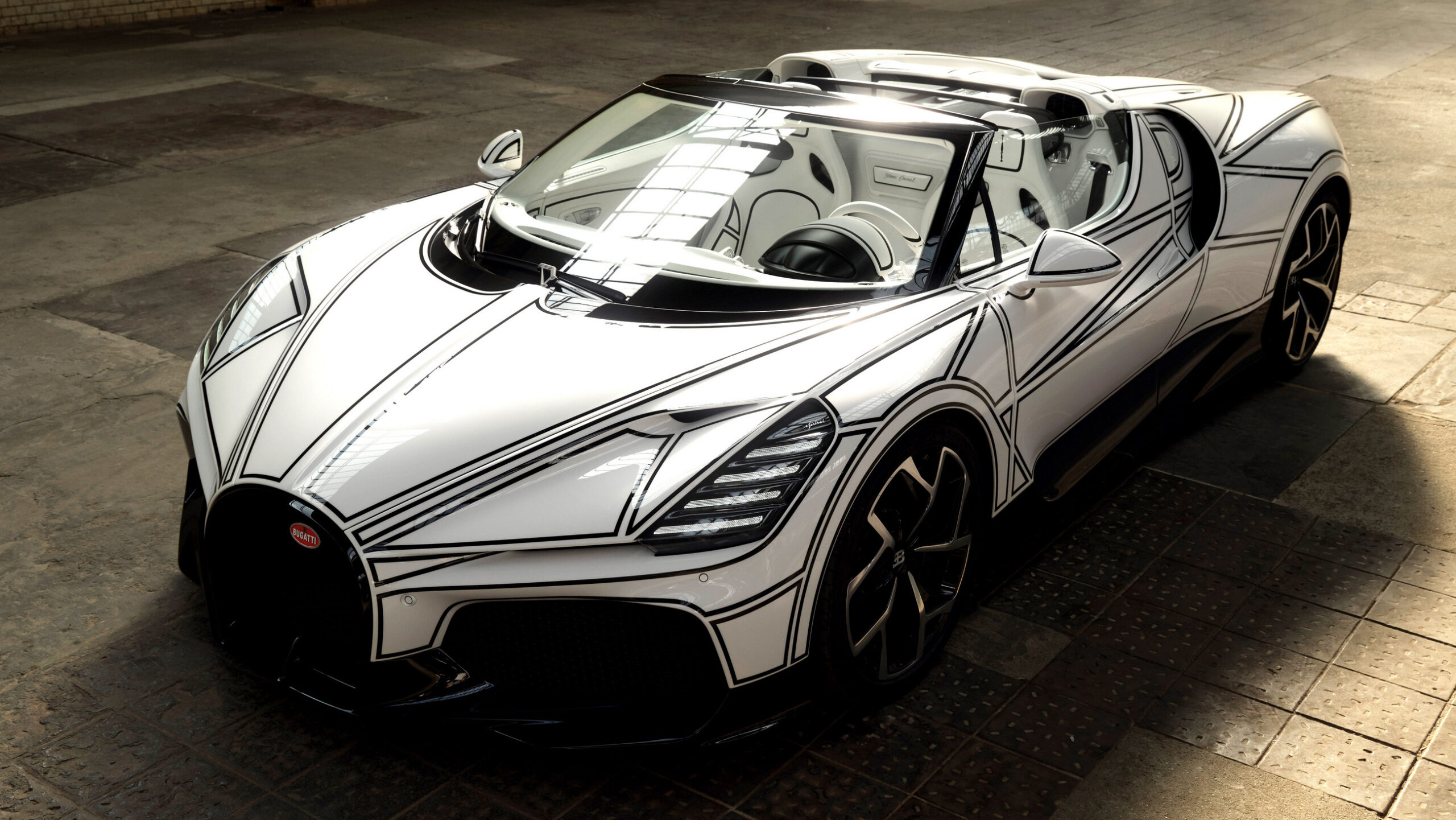
Blanc Éternel Hides Its Speed Behind a Gas Cap
Bugatti built a 261-mph roadster and made sure you'd notice the porcelain first.
From the other desks.

Gold Leaf on a Lacquer Dial, and the Weight of What That Costs
Awake's Frosted Leaf Royal Blue asks a question Vietnamese craft has never quite had to answer at this price.

ESPN Named Him. Then Unnamed Him. Nobody's Explaining the Gap.
A retraction without a reckoning is just a deleted link.

Hide My Email Has Been Showing Your Email
Apple's privacy flagship has a hole in it. They've known for over a year.