At the Met Gala, the Billionaires Blinked First
When the richest people in fashion's biggest room started wearing designers nobody recognized, something shifted — and it wasn't just the aesthetic.

Photo · Style - Esquire
What Power Dresses Like Now
There's a particular kind of confidence that doesn't announce itself. It walks into a room wearing something most guests can't immediately place, and it does not explain. It lets the silence do the work. At the 2026 Met Gala — a room not historically known for its restraint — that silence showed up in the most unexpected form: the tech money.
According to Vogue's coverage, the millionaires and billionaires who arrived trailing Silicon Valley's shadow didn't reach for the houses whose names you'd recognize from any perfume counter or airport duty-free. They wore Kallmeyer. Kartik Research. Conner Ives. Independent designers who built their reputations on something closer to conviction than to commerce. The shift is small if you're counting logos. It's enormous if you're paying attention to what logos mean.
Fashion has always been a language of power. What changes is who gets to speak it fluently.
The Room and What It Holds
But step back from the big money for a moment, because the Gala is never just one story. It's a hundred simultaneous negotiations between identity and occasion, between who you are and who the carpet asks you to be.
Skepta showed up in a Thom Browne look drawn from his own tattoos — Esquire reported on how that collaboration came together, a garment that was less costume than autobiography. That's a different kind of statement than wearing an indie label to signal taste. It's wearing your own skin, rendered in someone else's craft. His rule, shared with Esquire, was simple enough to be profound: don't embarrass your kids. As a framework for dressing, it's harder to follow than it sounds.
Tyriq Withers wore Louis Vuitton and spoke to Esquire afterward about the earrings, the fit, the feeling of taking his place in a room that had previously existed only in the periphery of his imagination. There's something worth sitting with there — not the label, but the phrase "taking his place." The Met Gala has always been about who gets to belong. The interesting question is who decides.
Audrey Nuna, in her first appearance at the event, gave Dazed a window into what it actually takes to prepare for a debut at this scale — the beauty routine, the deliberateness, the awareness that a first impression at this particular event tends to follow a person. She made it count. The Korean-American artist understood the assignment and then went slightly beyond it, which is the only way a debut registers.
And then there was Gracie Abrams, who arrived not as subject but as witness — Vogue's photographer inside the Gala itself, turning the lens on the "Heated Rivalry" boys, on Sabrina Carpenter's performance, on the texture of an evening most people only see from the outside. The choice to send an artist rather than a staff photographer into that space says something about how Vogue reads the room. Or wants to.
On Wearing What Nobody Recognizes
Back to the tech billionaires and their indie designers — because the more I sit with it, the more it feels like the actual story of this particular Gala.
There's a version of this that's cynical: ultra-wealthy people discovering niche fashion as the next status signal, the way ultra-wealthy people discovered natural wine or small-batch ceramics. Conspicuous non-consumption is still conspicuous. The person who knows what Kartik Research is has done a specific kind of homework.
But there's another version, and I'm not ready to dismiss it. Fashion's most established houses have spent years becoming indistinguishable from the financial instruments that fund them. What a billionaire wears to the Met Gala carries weight precisely because everyone can see it. Choosing something harder to place — something that rewards knowledge rather than recognition — is a small redistribution of cultural power. Not a revolution. But not nothing.
Madonna arrived wearing Isabella Blow's shipwreck hat, Vogue reported — a piece of fashion history carried back into the world's most-photographed event, a gesture toward someone who should have had more of these evenings than she got. That's a different register entirely: not indie obscurity, not brand legibility, but artifact. The hat doesn't need to be explained to people who know, and can't be explained to people who don't. It exists outside the usual grammar.
And someone arrived in jeans. Vogue made the case — earnestly, carefully — that this can work, that casual has its own argument to make on those steps. Maybe. Or maybe the Gala has gotten so saturated with maximalism that restraint reads as rebellion, and denim is just the newest way to shout.
What Stays
Model Charlie Nishimura, who joined Madonna on the carpet, described celebrity as Mount Olympus — a place where Madonna is still a queen and everyone else is a nymph. It's a generous image, and also a clarifying one. The Gala has always been a hierarchy dressed up as a party.
What feels different about 2026 — if anything does — is that the hierarchy is starting to argue with itself. The billionaires are wearing brands that reject the hierarchy's usual currency. The musicians are wearing their own histories. The actors are figuring out what it means to belong. The artists are behind the camera.
I don't know if that's fashion changing or fashion doing what fashion always does: absorbing the cultural moment, translating it into cloth and seam and silhouette, and sending it back out into the world to mean something new.
But I keep thinking about those indie labels on the richest people in the room. About what it means to have enough power that you no longer need anyone to recognize what you're wearing. About whether the rest of us, dressing for our own rooms and our own mornings, are doing something different — or exactly the same thing, at a different scale.
Keep reading fashion.

Gold Leaf on a Lacquer Dial, and the Weight of What That Costs
Awake's Frosted Leaf Royal Blue asks a question Vietnamese craft has never quite had to answer at this price.
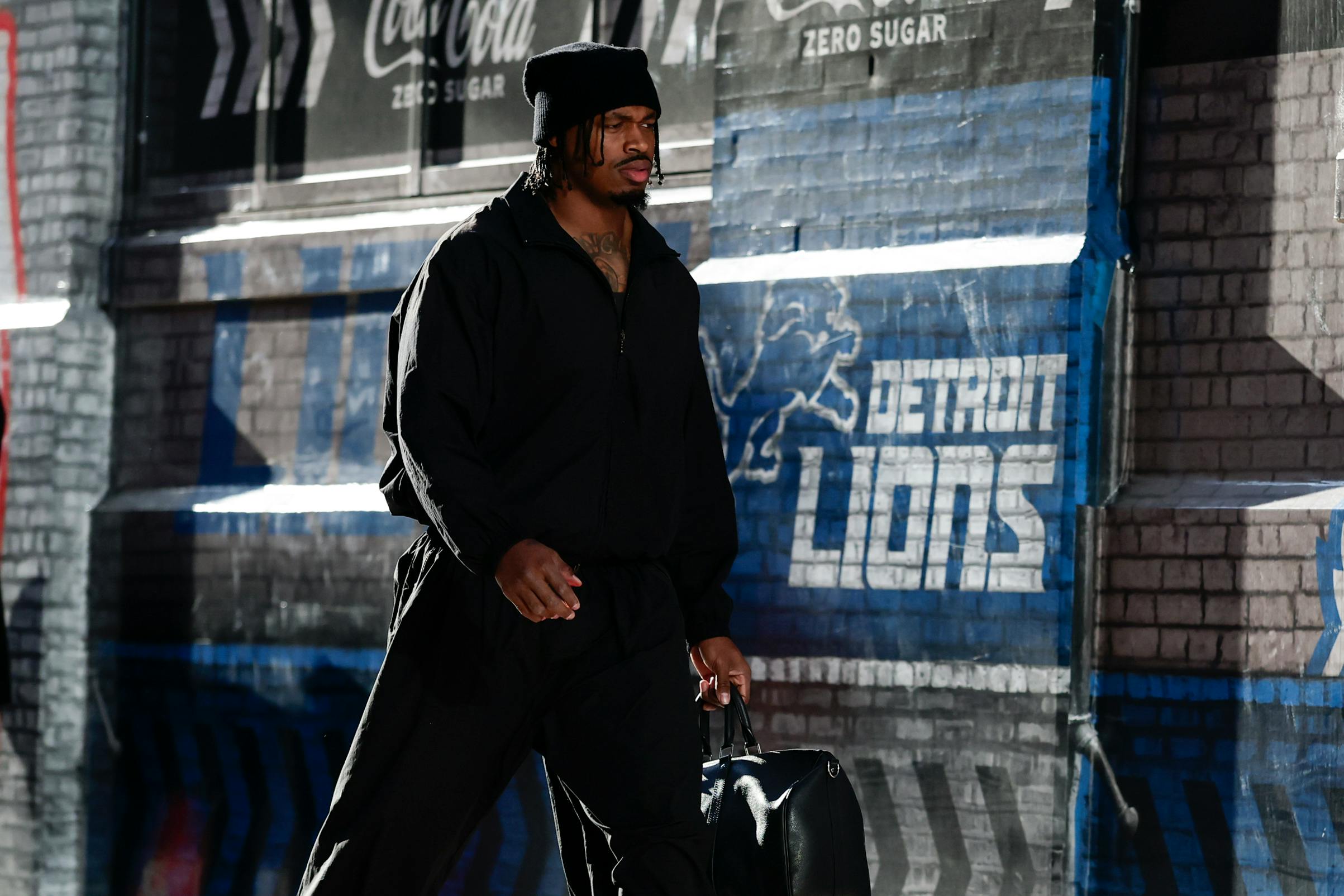
Kyle Smith Has a Job Title That Didn't Exist Before. That's the Whole Tell.
When the NFL hires a fashion editor, it's not about clothes — it's about who gets to decide what matters.
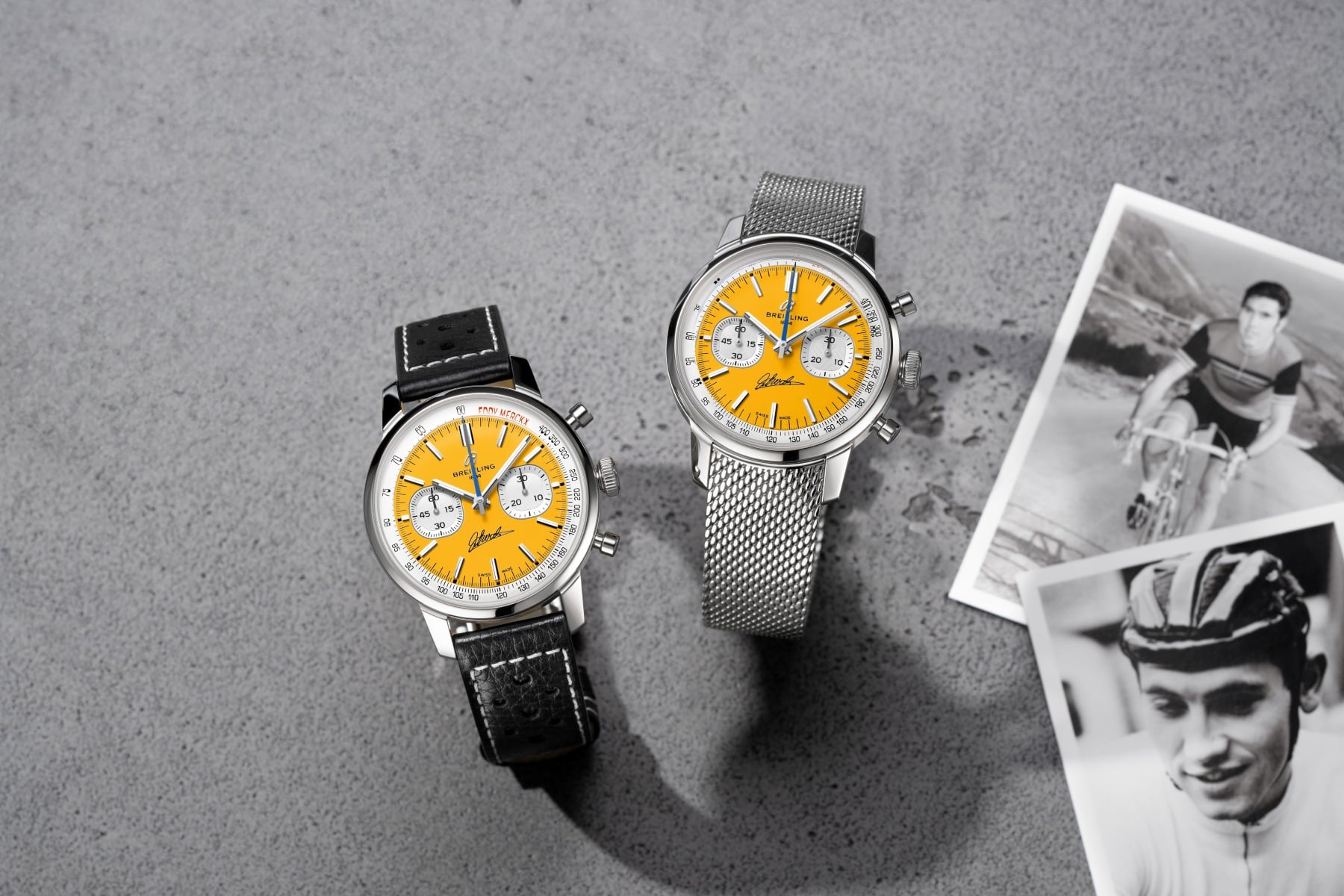
525 Victories, One Dial, and Cycling's Long Wait for a Wrist
Breitling's Eddy Merckx edition doesn't just reference a legend — it asks whether motorsport's younger sibling has finally earned its place in serious watch culture.
From the other desks.

800 Horsepower, One Ton of Doubt
Lamborghini built the most powerful SUV it's ever made. It's also slower than what it replaced.

ESPN Named Him. Then Unnamed Him. Nobody's Explaining the Gap.
A retraction without a reckoning is just a deleted link.

Hide My Email Has Been Showing Your Email
Apple's privacy flagship has a hole in it. They've known for over a year.