Chrysler Cut Pacifica Prices a Month In. Nobody Should Be Surprised.
When a minivan needs a markdown before the first owner hits 1,000 miles, the product isn't the problem.
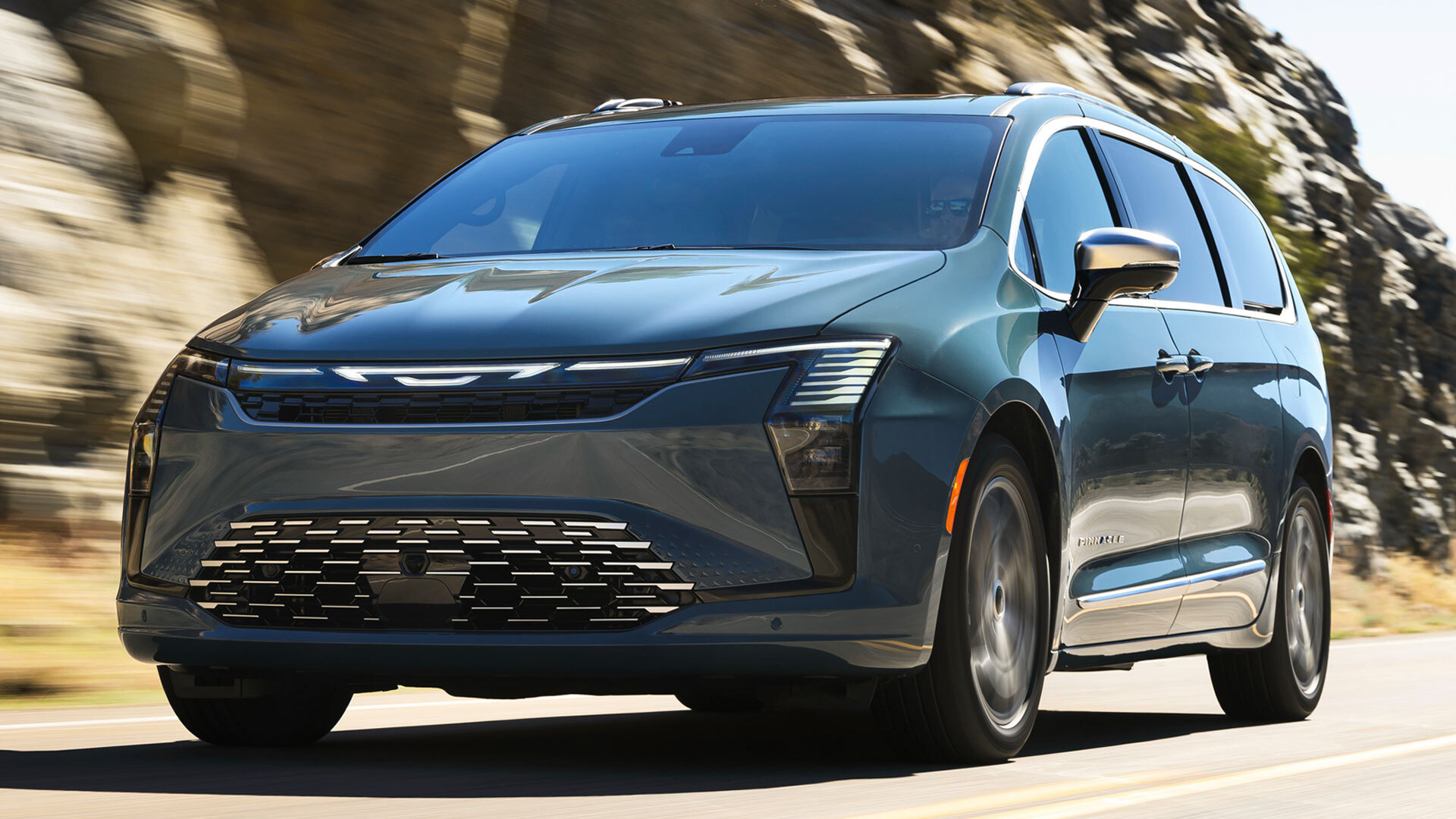
Photo · Carscoops
A month. That's how long it took.
The 2027 Chrysler Pacifica debuted, made its rounds, got its press photos, and then — before most buyers had even scheduled a test drive — Chrysler moved the price down on most trims. One trim, per Motor1, landed $1,710 cheaper than before. Carscoops noted that while most of the lineup got cheaper, the entry-level trim still costs more than the old Voyager did.
Sit with that for a second. The base car is more expensive than the car it replaced, and the rest of the lineup just got quietly discounted within weeks of launch. Both things are true simultaneously, and together they describe something the press releases won't say out loud.
The Markdown Is the Message
Price cuts this fast aren't a strategy. They're a correction. When a manufacturer adjusts a vehicle's pricing a month after debut, they're not responding to market conditions — they haven't had time to gather market conditions. They're responding to silence. To showrooms that aren't moving. To a segment that has been sending the same signal for years and keeps getting ignored.
The minivan is a structurally difficult sell in 2025. Not because families don't need them — they do, desperately, and anyone who's tried to fit three car seats and a stroller into a three-row SUV knows exactly what I mean. The difficulty is positioning. The minivan got coded as a concession somewhere along the way, a vehicle you buy when you've stopped caring about what you drive. That reputation has nothing to do with engineering. The Pacifica, by most accounts, is a genuinely capable machine — sliding doors, flexible seating, real cargo room, the kind of practical intelligence that SUV buyers are quietly jealous of but would never admit. None of that changes the optics.
So Chrysler is caught in a bind that no trim update solves. They can engineer a better van. They can refresh the interior, sharpen the styling, add the right screens and driver assists. And then they have to price it against a market that still flinches at the category.
What a Voyager Comparison Reveals
The detail that sticks with me is the Voyager. The fact that the entry Pacifica costs more than the Voyager it effectively replaced isn't just a pricing quirk — it's a signal about how Chrysler sees the segment. They're trying to move the Pacifica upmarket, to make it feel like a choice rather than a fallback. That's the right instinct. But you can't move a vehicle upmarket in perception and then discount the upper trims a month after launch. Those two moves contradict each other in real time.
If the Pacifica is supposed to be a considered purchase — a vehicle someone chooses because they've thought it through and decided the van is actually the smarter call — then it needs pricing that holds. Markdowns this early don't signal confidence. They signal that the market pushed back, and Chrysler blinked.
The minivan segment isn't broken because the products are bad. It's broken because nobody has figured out how to make buying one feel like winning instead of settling. Until someone does, expect to keep seeing these corrections — a month out, six weeks out, before the floor mats have even broken in.
Keep reading cars.

800 Horsepower, One Ton of Doubt
Lamborghini built the most powerful SUV it's ever made. It's also slower than what it replaced.

£11,990 Draws a Line Under Every Excuse You Had Left
Dacia just made the cheapest new car in Britain electric — and that's not a footnote, it's a verdict.

Blanc Éternel Hides Its Speed Behind a Gas Cap
Bugatti built a 261-mph roadster and made sure you'd notice the porcelain first.
From the other desks.

Gold Leaf on a Lacquer Dial, and the Weight of What That Costs
Awake's Frosted Leaf Royal Blue asks a question Vietnamese craft has never quite had to answer at this price.

ESPN Named Him. Then Unnamed Him. Nobody's Explaining the Gap.
A retraction without a reckoning is just a deleted link.

Hide My Email Has Been Showing Your Email
Apple's privacy flagship has a hole in it. They've known for over a year.