Anthropic Named It 'Dreaming.' That Word Is Doing a Lot of Work.
When AI companies reach for human metaphors, they're not explaining anything — they're admitting they can't.
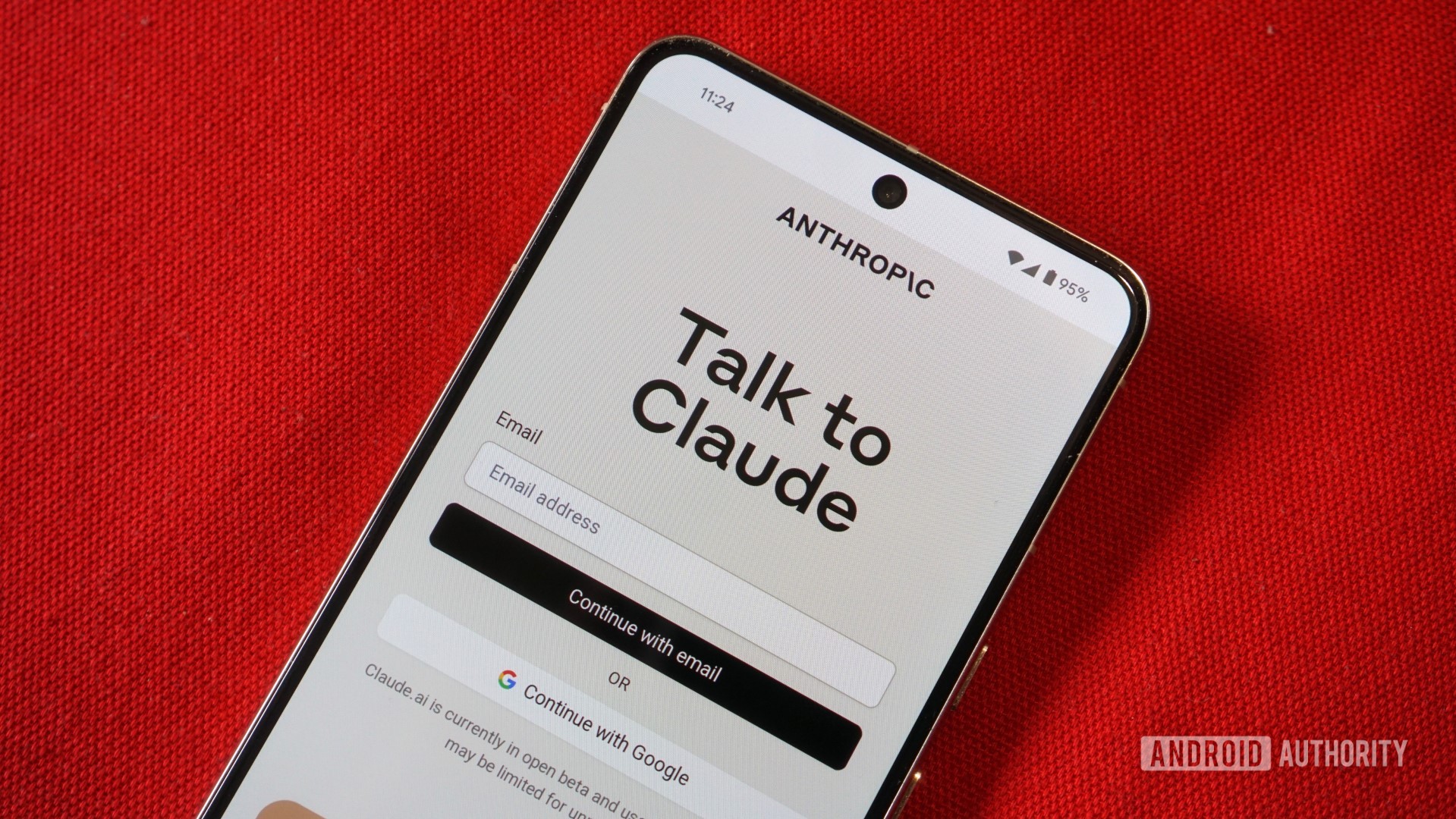
Photo · Android Authority
There's a tell in the language.
Anthropics announced at its developer conference that Claude agents can now "dream" — a background process where the system sorts through accumulated "memories" to consolidate and reorganize them. WIRED immediately filed a complaint. Ars Technica explained the mechanics. Android Authority tried to make it sound exciting. And somewhere underneath all three pieces is the same quiet admission, dressed up in different clothes: nobody actually knows what to call this, so they're borrowing the vocabulary of being human.
This is worth sitting with for a moment.
The Metaphor Is the Map
When you call a process "dreaming," you're not describing it. You're reaching for the nearest thing a person might recognize. Sleep, memory, consolidation — these are concepts with centuries of meaning attached to them, and AI companies are now using them as product names. The WIRED piece is essentially a formal objection to this. One writer there begged, with genuine exasperation, for the industry to stop. Android Authority took the opposite approach — lean into it, explain why it's actually a useful analogy. Ars Technica split the difference with that careful "sort of" in the headline, which is doing the most honest work of any phrase in any of these three pieces.
Sort of. That's the tell.
Because here's what's actually happening: Claude agents, when idle, can now process and reorganize information accumulated during work sessions. That's real functionality. According to the coverage, Anthropic also announced that usage limits for Claude Code would double for Pro and Max subscribers — going from five-hour windows to ten. That part nobody needed a metaphor to understand. It's just more time. They said it plainly. But the memory consolidation feature? That got a name from a dream journal.
What the Naming Costs
The WIRED writer's frustration isn't pedantry. It's pointing at something structural. When you name a feature after a human process, you're making an implicit claim about similarity — and then immediately walking it back when anyone presses you. "It's not really dreaming, of course, but..." That disclaimer is always in the room. It has to be. Because the actual mechanism is not dreaming. It's computation that happens to occur between active tasks.
But computation between active tasks doesn't move units. Doesn't generate headlines. Doesn't make someone feel like they're working with something alive.
And that's what this naming convention is actually about. It's marketing dressed as explanation. The companies aren't saying "our AI dreams" because they think it dreams. They're saying it because the alternative — describing what's actually happening in terms accurate enough to be useful — would require them to admit how much they still don't understand about what they've built. The metaphors are a bridge over that gap. They're comfortable. They're relatable. They hide the void.
Android Authority's piece tried to argue that the human framing makes the feature more accessible, and that's not wrong. Accessibility matters. But there's a difference between a helpful analogy and a product name, and Anthropic crossed it. An analogy invites you to approximate. A product name asserts.
The industry has been doing this for a while now — memory, reasoning, attention, hallucination (the one that accidentally told the truth) — and each term carries the same structural problem. It describes the output in human terms while leaving the mechanism unexamined. Which is fine when the mechanism is understood and you're just communicating to a broad audience. It's something else when the mechanism isn't fully understood by the people who built it.
That's where we are. And "dreaming" is where we've arrived.
The word they chose says more about the limits of their certainty than any technical document they've published.
Keep reading tech.

Hide My Email Has Been Showing Your Email
Apple's privacy flagship has a hole in it. They've known for over a year.

Sony Killed the Disc. Sony Is Also Killing the Store.
Two announcements, one company, and a quiet admission that "ownership" was always their word to define.

Apple Went to the Highest Court It Could Find. That Tells You Everything.
When a contempt ruling sends you to the Supreme Court, you're not defending a policy anymore — you're defending a worldview.
From the other desks.

800 Horsepower, One Ton of Doubt
Lamborghini built the most powerful SUV it's ever made. It's also slower than what it replaced.

Gold Leaf on a Lacquer Dial, and the Weight of What That Costs
Awake's Frosted Leaf Royal Blue asks a question Vietnamese craft has never quite had to answer at this price.

ESPN Named Him. Then Unnamed Him. Nobody's Explaining the Gap.
A retraction without a reckoning is just a deleted link.