Elon Musk Just Learned the Price of Breaking Securities Law. It's $1.5 Million.
When the penalty is one percent of the alleged damage, you haven't settled a lawsuit — you've bought a receipt.
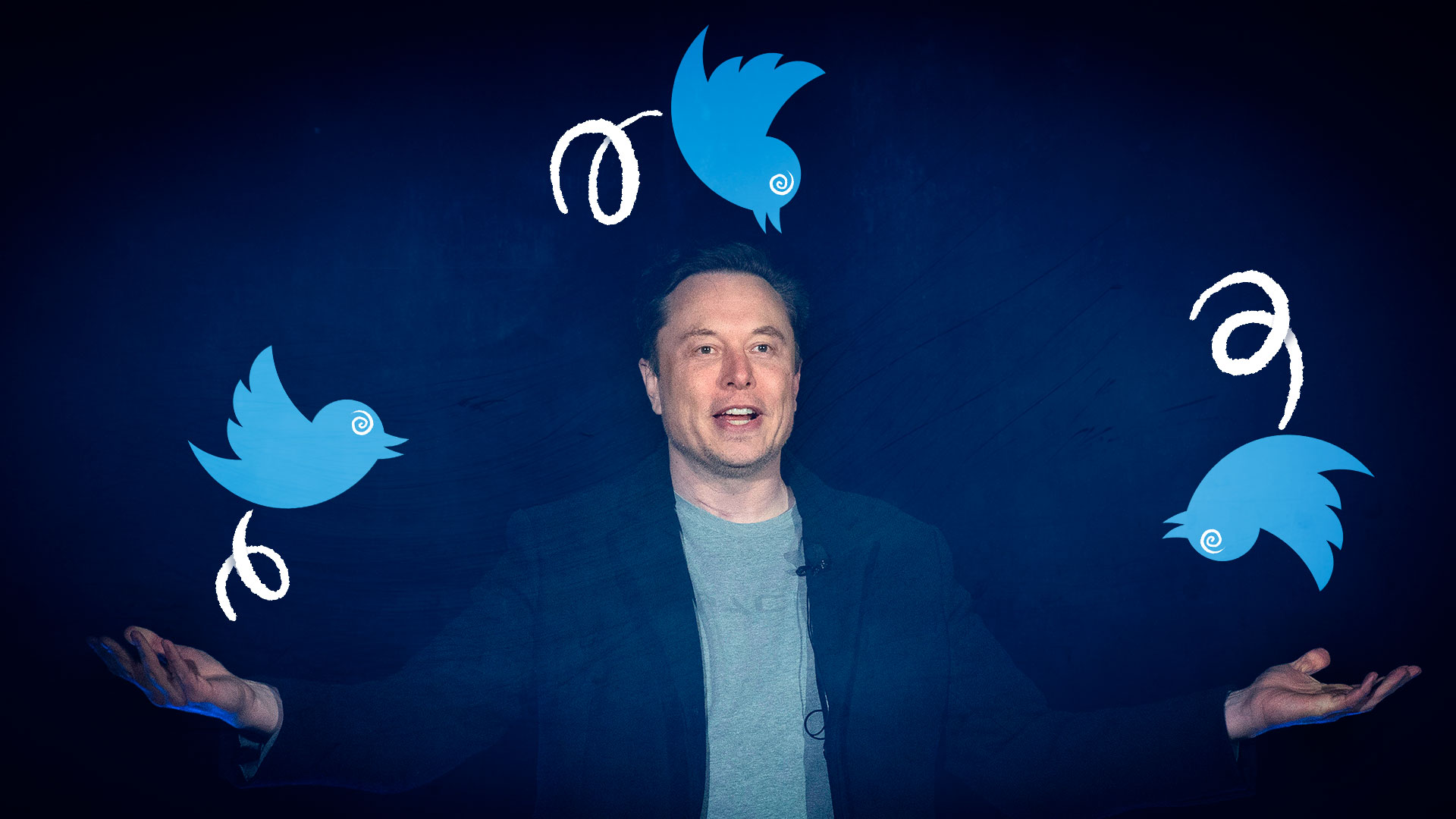
Photo · Ars Technica - All content
There's a number that tells you everything about the current state of financial regulation in America, and it's not $150 million. It's $1.5 million — the figure the SEC under the Trump administration accepted to close its lawsuit against Elon Musk over his late disclosure of Twitter stake purchases.
The SEC had alleged that Musk's delayed filing cheated Twitter investors out of $150 million. One percent of that figure is what just closed the case. No admission of wrongdoing. The math does the rest.
What a Settlement Ratio Reveals
A writer at Ars Technica flagged this, and the piece is worth reading less for what it says and more for what it documents. This is now on the record. The United States Securities and Exchange Commission — the body charged with protecting investors from exactly the kind of disclosure manipulation described in its own complaint — looked at $150 million in alleged harm and said a penny on the dollar would do.
This is not a settlement. It's a pricing model.
For years, critics have argued that regulatory fines in finance function less as deterrents and more as operating costs — fees, essentially, for rule-breaking that turned a profit. The SEC occasionally pushed back on that framing. This settlement makes it harder to. When the penalty is structurally incapable of clawing back the alleged gain, the message to every compliance officer at every hedge fund and every billionaire with a brokerage account is simple: budget accordingly.
Musk is worth hundreds of billions of dollars. He is also the most prominent private citizen in the orbit of the current administration. Those facts sit next to each other in this story without anyone needing to connect them — the connection makes itself.
The Real Audience for This Number
Here's what I keep thinking about: the people this matters most to are not Musk, and they're not the Twitter investors who allegedly lost $150 million and are now watching $148.5 million of that evaporate into a closed case. The real audience is everyone else considering the same calculus.
If you are a wealthy actor with material non-public information about your own market-moving purchases, you now have a recent, named, publicly documented benchmark for what late disclosure costs. It costs $1.5 million and a news cycle. That's it. That's the floor — and given who negotiated it, possibly the ceiling for anyone with comparable leverage.
Some enforcement actions are meant to punish. Some are meant to signal. This one signals something the SEC probably didn't intend to announce quite this loudly: that the relationship between regulatory power and political proximity has a dollar figure, and someone just published it.
The cynical read — and I'm not sure it's wrong — is that regulatory capture used to be something you suspected. Now it comes with a press release and a settlement amount you can Google.
One percent isn't a compromise. It's a confession.
Keep reading tech.

Hide My Email Has Been Showing Your Email
Apple's privacy flagship has a hole in it. They've known for over a year.

Sony Killed the Disc. Sony Is Also Killing the Store.
Two announcements, one company, and a quiet admission that "ownership" was always their word to define.
Apple Went to the Highest Court It Could Find. That Tells You Everything.
When a contempt ruling sends you to the Supreme Court, you're not defending a policy anymore — you're defending a worldview.
From the other desks.

800 Horsepower, One Ton of Doubt
Lamborghini built the most powerful SUV it's ever made. It's also slower than what it replaced.

Gold Leaf on a Lacquer Dial, and the Weight of What That Costs
Awake's Frosted Leaf Royal Blue asks a question Vietnamese craft has never quite had to answer at this price.

ESPN Named Him. Then Unnamed Him. Nobody's Explaining the Gap.
A retraction without a reckoning is just a deleted link.