Anthony Edwards Played 25 Minutes. Minnesota Didn't Need the Other 23.
A writer at Defector is done doubting the Timberwolves. The rest of us should catch up.
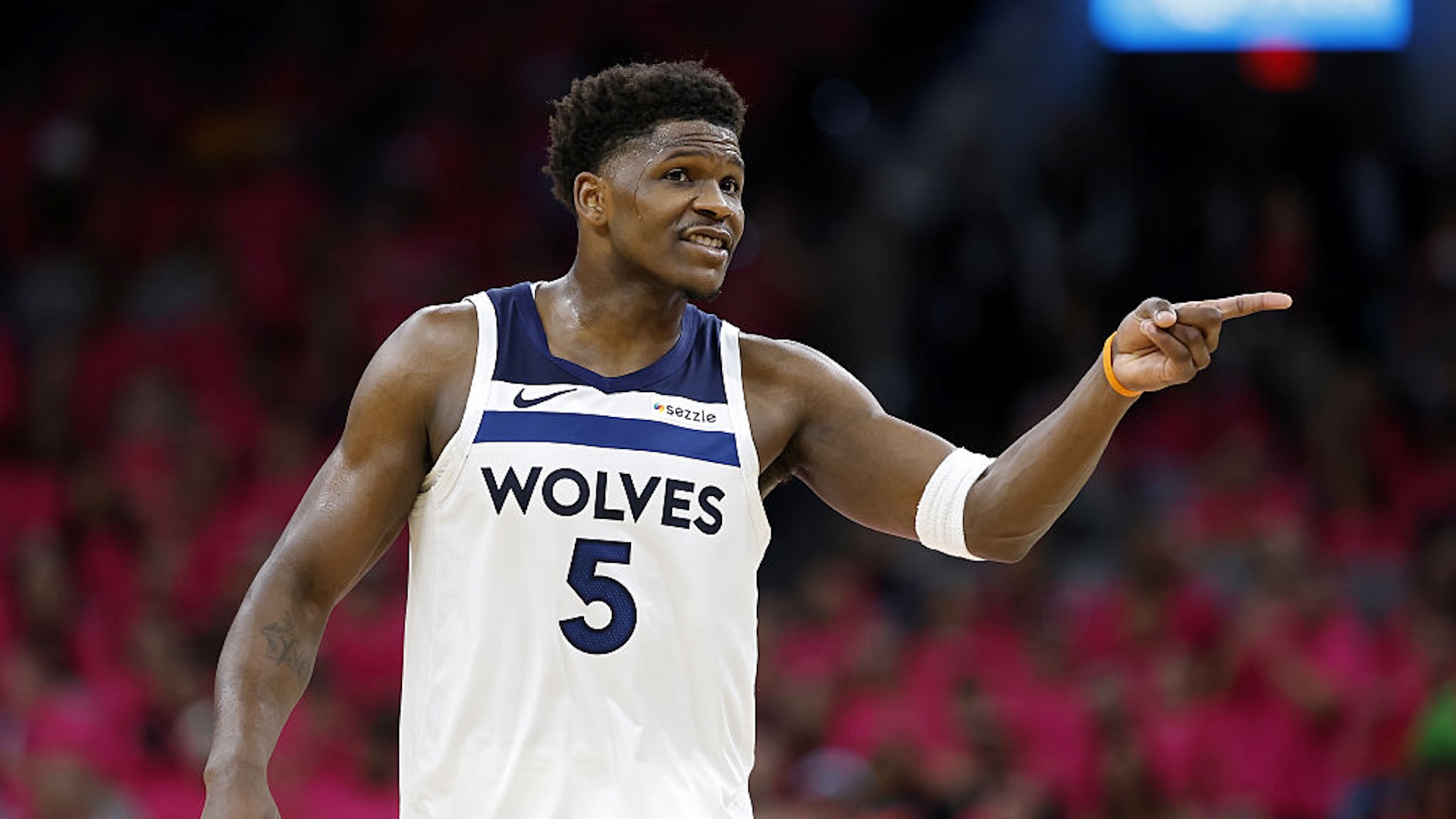
Photo · Defector
The Take on the Table
Somewhere between a hobbled Anthony Edwards logging just 25 minutes and a 104–102 win over San Antonio, a writer at Defector arrived at a conclusion that's harder to argue with every week: stop doubting Minnesota.
That's the position staked out. And what makes it worth sitting with isn't the win itself — it's what the win was built on. The Timberwolves were already short-handed. Donte DiVincenzo out. Ayo Dosunmu out. Their best player operating at partial capacity against a team that entered as heavy favorites. The kind of night where you write the obituary before tipoff and feel smart for doing it.
They won anyway.
What This Reveals
The easy story writes itself around Edwards — the generational talent, the face of the franchise, the player who's supposed to be the whole reason this works. And when he's limited, the instinct is to treat it like a structural failure. The engine's misfiring. Game over. That instinct has been wrong, repeatedly, and a writer at Defector is pointing at the pattern directly.
This is a roster construction story masquerading as a star power story. What Minnesota has built — whatever combination of depth, defensive identity, and collective will that produces wins in the first round against Denver and then Game 1 against San Antonio without their full complement of players — isn't reducible to one player's minutes log. Systems that only function at full strength aren't systems. They're gambles.
Denver learned this. The Nuggets came in with a generational talent of their own and a recent championship pedigree. They went home early. Now San Antonio, heavy favorites by the logic of roster construction orthodoxy, dropped Game 1 at home to a Wolves team playing with one hand tied.
The Defector piece isn't triumphalist. It's almost reluctant — the headline itself frames this as a team that cannot be doubted, which is a different thing than a team that's obviously dominant. There's a distinction there worth honoring. Doubt is the reasonable position. Minnesota just keeps making it unreasonable.
That's a harder thing to sustain than a blowout run. Winning ugly, winning short-handed, winning in ways that don't photograph well — that takes something that doesn't show up in a box score. The writer is circling around what that something is without quite naming it, and I think that's honest. Some things resist clean categorization.
What I keep coming back to is the broader implication. If Minnesota advances again, the conversation about how basketball teams get built — around singular stars versus around systems and defensive intensity and collective buy-in — has to change. Not dramatically. Not overnight. But the evidence is accumulating in one direction, one impossible win at a time.
You can doubt them. The numbers will keep telling you to. Minnesota will keep making you regret it.
Keep reading sports.

ESPN Named Him. Then Unnamed Him. Nobody's Explaining the Gap.
A retraction without a reckoning is just a deleted link.

Three People Died Celebrating. FIFA Hasn't Said Their Names.
Mexico City buried three people after the World Cup crowds came through. At some point, the sport has to sit with that.

Sell the Stadium, Lose the Room
NFL franchises are rolling out the welcome mat for World Cup tourists — and the desperation is showing.
From the other desks.

800 Horsepower, One Ton of Doubt
Lamborghini built the most powerful SUV it's ever made. It's also slower than what it replaced.

Gold Leaf on a Lacquer Dial, and the Weight of What That Costs
Awake's Frosted Leaf Royal Blue asks a question Vietnamese craft has never quite had to answer at this price.

Hide My Email Has Been Showing Your Email
Apple's privacy flagship has a hole in it. They've known for over a year.