Sabalenka Said the Quiet Part at a Podium in Rome
When the world No. 1 threatens to walk, Grand Slams have to reckon with who actually built what they're selling.
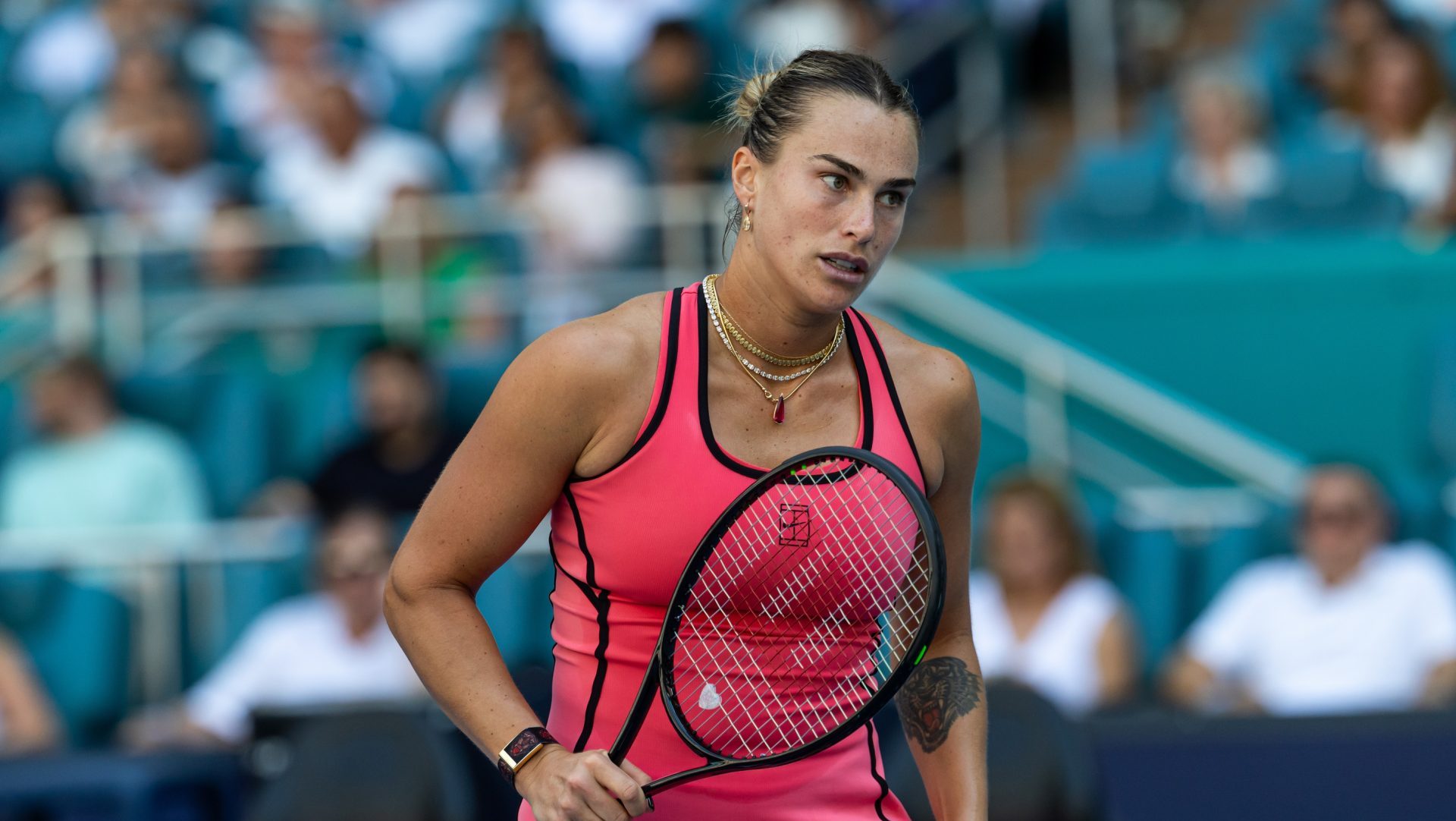
Photo · Front Office Sports
"Without us there wouldn't be a tournament."
Say it slowly. That's not a negotiating tactic. That's a fact so obvious it shouldn't need saying — and yet here we are, at a press conference in Rome, with the world No. 1 having to say it out loud.
Aryna Sabalenka didn't mince anything at her pre-tournament presser ahead of the Italian Open. She said she believes top players will boycott Grand Slams. She said it's probably the only way to fight for their rights. Coco Gauff, per Front Office Sports, has echoed the sentiment. The ask isn't complicated: a greater share of the revenue that the four major tournaments are pulling in as those revenues grow.
This is the part where someone usually says but they already make so much money. Fine. Hold that thought. Then ask yourself why the tournaments get to keep the spread.
The Revenue Gap Is the Confession
When players argue they deserve a larger share of growing revenues, they're not just making a labor complaint. They're identifying a structural imbalance that the Grand Slams have quietly relied on for years — the assumption that players will keep showing up because, well, where else are they going to go? Wimbledon is Wimbledon. Roland Garros is Roland Garros. The events carry weight that individual players supposedly can't match.
Except that logic only holds until the players stop believing it. And Sabalenka, ranked first in the world, standing at a microphone in Italy, does not sound like someone who believes it anymore.
The Guardian reported her words plainly: "I think at some point we will boycott it, yeah. I feel like that's going to be the only way to fight for our rights." There's no ambiguity in that sentence. There's also no anger in it, which is somehow more unsettling. She's not venting. She's forecasting.
What Leverage Actually Looks Like
Tennis has a complicated history with player power — fractured tours, competing governing bodies, a governance structure that has never made clean decisions easily. The players know this. The tournaments know this. Everyone has always assumed the inertia favors the house.
But something has shifted. The sport's audience is growing. The money flowing into it is growing. And the players generating that audience — the ones whose names people actually search, whose matches people actually stay up late to watch — are doing the math. If revenues are up, and player share is not proportionally up, someone is pocketing the difference. That someone is not the person hitting the ball.
What Sabalenka and Gauff represent, beyond their rankings, is a generational moment where the most visible players in the sport are willing to name the structure out loud. Not in a closed-door meeting. At a press conference. Before a tournament. On the record.
That's leverage. Not because a boycott is guaranteed, but because the threat from those names, spoken that publicly, forces the conversation out of backrooms and into the open, where it's much harder to quietly manage.
The Grand Slams have always sold the players as the product while treating them as the talent. There's a difference. Products get equity. Talent gets a fee. What's happening right now is a renegotiation of which category applies — and the players, for maybe the first time with this kind of visibility, are making the argument that they've been miscategorized for a long time.
Sabalenka didn't threaten anything in anger. She just told the truth about who needs whom.
Keep reading sports.

ESPN Named Him. Then Unnamed Him. Nobody's Explaining the Gap.
A retraction without a reckoning is just a deleted link.

Three People Died Celebrating. FIFA Hasn't Said Their Names.
Mexico City buried three people after the World Cup crowds came through. At some point, the sport has to sit with that.

Sell the Stadium, Lose the Room
NFL franchises are rolling out the welcome mat for World Cup tourists — and the desperation is showing.
From the other desks.

800 Horsepower, One Ton of Doubt
Lamborghini built the most powerful SUV it's ever made. It's also slower than what it replaced.

Gold Leaf on a Lacquer Dial, and the Weight of What That Costs
Awake's Frosted Leaf Royal Blue asks a question Vietnamese craft has never quite had to answer at this price.

Hide My Email Has Been Showing Your Email
Apple's privacy flagship has a hole in it. They've known for over a year.