Ford's Secret Team Isn't Chasing Tesla. It's Chasing the Price Tag.
A quiet cost-cutting operation inside Ford is the most honest thing an American automaker has said about the EV race in years.
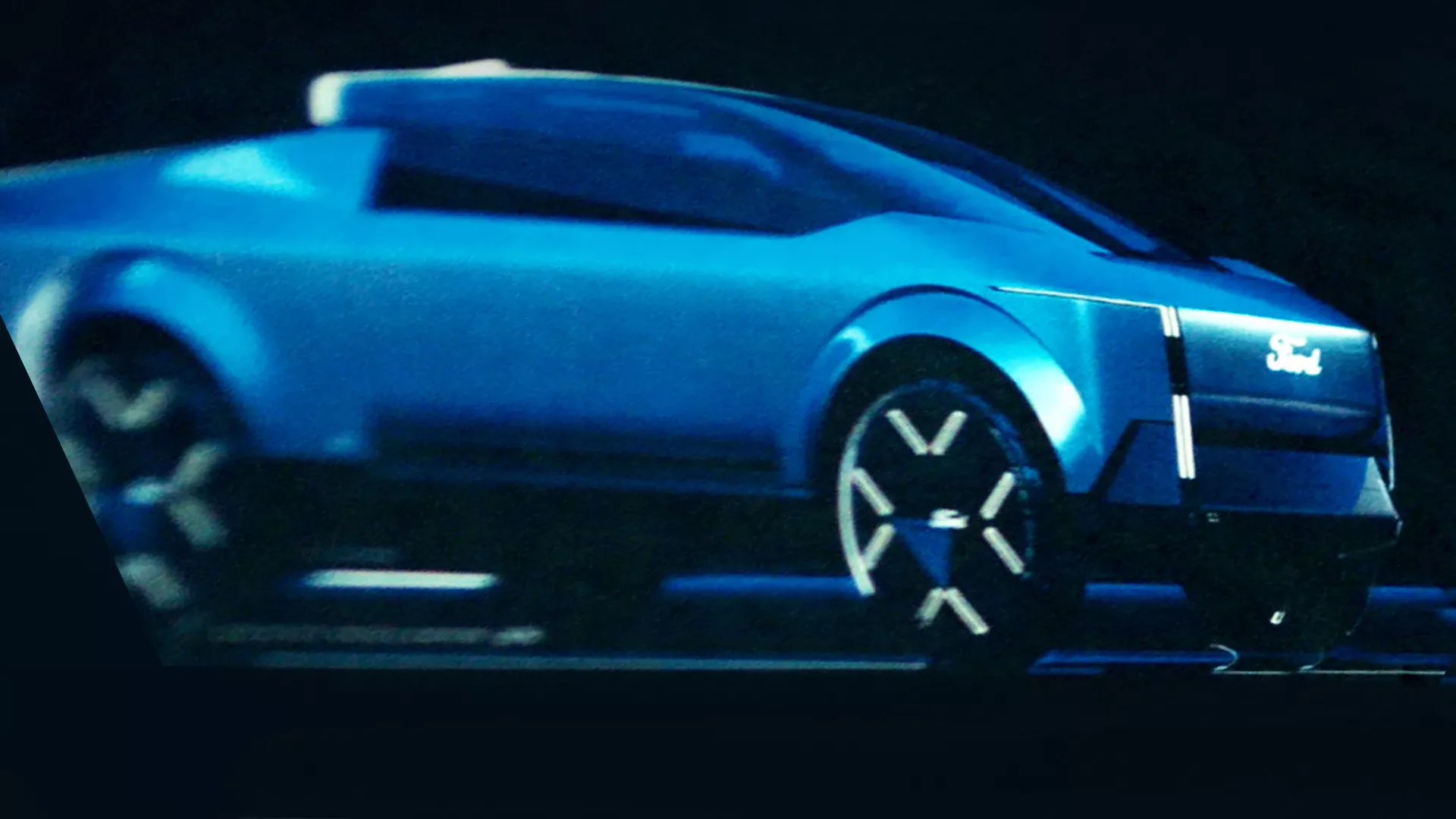
Photo · Carscoops
Somewhere inside Ford, a small team has been working in secret on a sub-$30,000 electric vehicle. No fanfare. No concept car at a convention center. Just engineers with a mandate: get the number down.
Carscoops has covered it, and the piece sits next to a quote from Hyundai essentially saying that beating Chinese EV makers on cost is impossible. That pairing — Ford quietly betting it can, Hyundai publicly saying it can't — is worth more attention than either story gets alone.
The Real Admission
What makes the Ford play interesting isn't the vehicle. It's the framing. A secret team dedicated to stripping cost and complexity is an organization telling itself something it didn't want to say out loud: the first decade of American EV development was built around features, range figures, and software stacks, and the market doesn't care about any of it the way the industry hoped.
The Chinese manufacturers understood earlier — not because they're smarter, but because they were building for buyers who needed the price to work before anything else would. Detroit came in from the other direction, stacking amenities onto platforms and expecting the math to follow. It didn't.
So now there's a small, reportedly lean team inside Ford working toward something closer to $30,000. That number is load-bearing. Below it, an EV starts to reach people who aren't already converted. Above it, you're still selling to the same shrinking pool of early adopters who already made their choice.
What Hyundai Is Actually Saying
Hyundai's position — that competing with Chinese EVs on cost is essentially impossible — is either a white flag or a strategy. Maybe both. If you can't win on price, you pivot to quality, reliability, or brand trust and hope the market segments cleanly enough to let you survive there. It's a defensible position. It's also the position of someone who has looked at the manufacturing cost structure of a BYD and decided the gap isn't closeable in any reasonable timeframe.
Ford is making a different bet. Not necessarily that they can match a Chinese manufacturer yuan for yuan, but that they can get close enough — close enough that American buyers, with whatever mix of preference, habit, and policy incentive is in play at the moment of purchase, choose the blue oval.
That's a narrower margin than it sounds. And it requires the secret team to actually deliver.
What the EV transition has always been, underneath the rhetoric about saving the planet and disrupting legacy auto, is a manufacturing cost problem. Whoever solves it at scale wins. The innovation that matters isn't the touchscreen or the frunk — it's the bill of materials. Ford appears to have finally internalized that. Hyundai appears to have decided the problem isn't solvable on their terms.
One of them is going to look prescient in five years. The other is going to look like they read the moment correctly and still couldn't execute.
A secret team working toward a number is, at minimum, an attempt. That's further than most of Detroit got in the last decade, and it's the only kind of progress that eventually becomes a car someone can actually buy.
Keep reading cars.

800 Horsepower, One Ton of Doubt
Lamborghini built the most powerful SUV it's ever made. It's also slower than what it replaced.

£11,990 Draws a Line Under Every Excuse You Had Left
Dacia just made the cheapest new car in Britain electric — and that's not a footnote, it's a verdict.
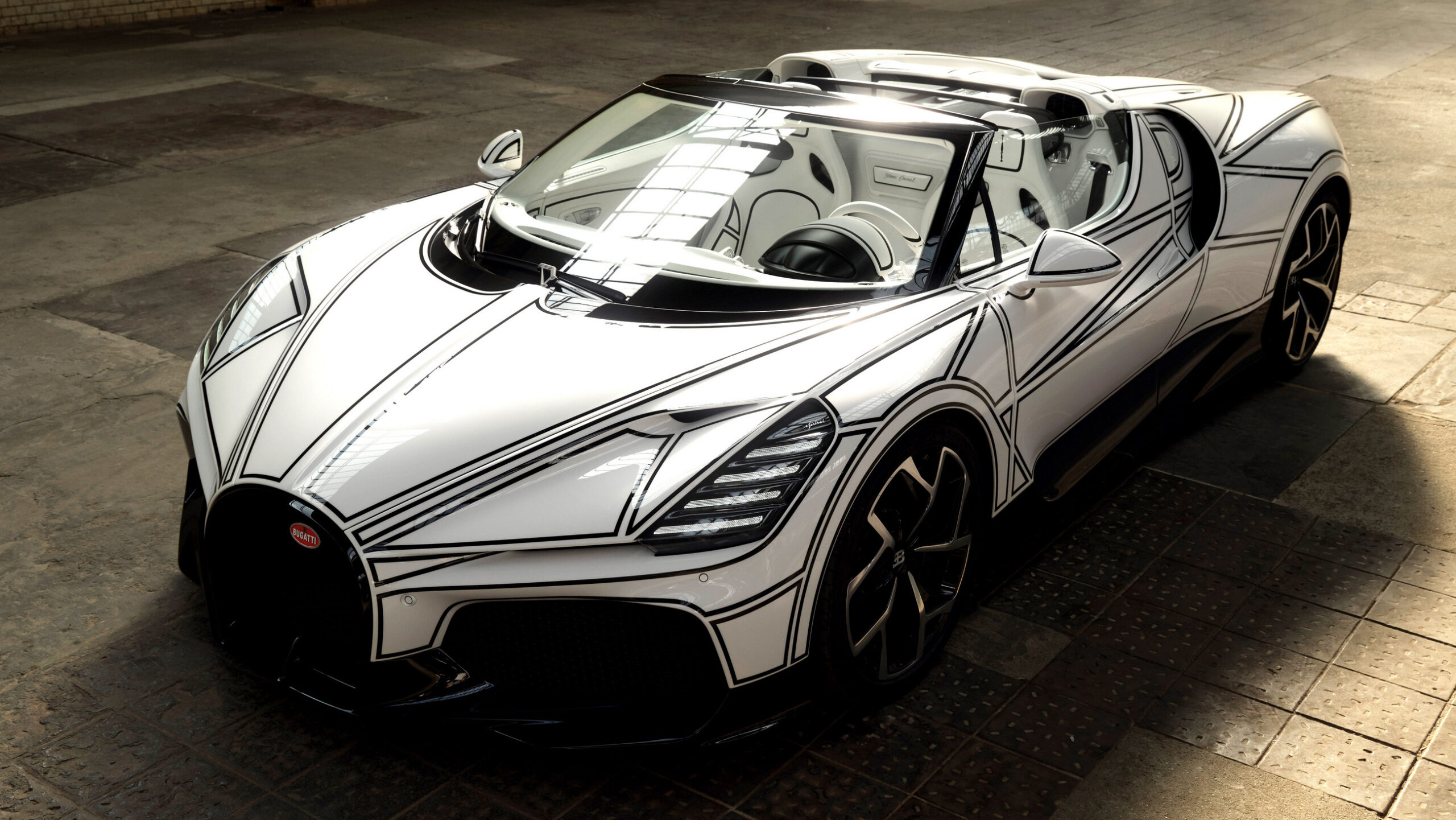
Blanc Éternel Hides Its Speed Behind a Gas Cap
Bugatti built a 261-mph roadster and made sure you'd notice the porcelain first.
From the other desks.

Gold Leaf on a Lacquer Dial, and the Weight of What That Costs
Awake's Frosted Leaf Royal Blue asks a question Vietnamese craft has never quite had to answer at this price.

ESPN Named Him. Then Unnamed Him. Nobody's Explaining the Gap.
A retraction without a reckoning is just a deleted link.

Hide My Email Has Been Showing Your Email
Apple's privacy flagship has a hole in it. They've known for over a year.