The Ghost Cars Are Coming Back. The Question Is Whether Anyone Still Believes In Nissan.
Two legends, one struggling brand, and a CEO betting that the cars people dream about can rescue the company that built them.

Photo · The Autopian
The Names That Never Left
There's a particular kind of longing that only a car name can trigger. Not the car itself — you've probably never sat in one, never felt the wheel pull through a corner, never heard the engine note settle at highway speed. Just the name. Skyline. Silvia. Words that got passed around in dorm rooms and forum threads and late-night parking lots for a generation of enthusiasts who grew up knowing exactly what Nissan could be, even as the company spent years proving it had forgotten.
Nissan's new President and CEO Ivan Espinosa apparently remembers. Or at least, he's betting the company's recovery on the idea that you do.
Two things happened recently, close enough together that you have to read them as a single statement of intent. Nissan announced a new Skyline — real, confirmed, coming to America as a manual Infiniti sedan, according to The Autopian, who noted it was buried inside a longer cascade of strategy announcements and upcoming model charts. And separately, Espinosa began hinting at the revival of the Silvia: a lightweight, rear-wheel drive performance car, as MotorBiscuit reported, with the CEO suggesting other sports cars could follow. Two iconic names. One struggling brand. A plan that is either visionary or desperate, and possibly both.
The Autopian noted that the Skyline news was sandwiched between a hybridized Rogue and a new Xterra — which tells you something about how Nissan sees the world right now. The practical stuff is still the spine. The sports cars are the signal.
What Gets Cut, What Gets Kept
Here's the part that makes this complicated: Nissan is also cutting eleven models. Eleven. You don't do that from a position of strength. You do that when the math has stopped working and you need to find solid ground before you can build anything new on top of it. So the company is simultaneously contracting and reaching backward into its own mythology, hoping the two moves somehow add up to forward momentum.
I've seen this pattern before in other industries — a brand in trouble suddenly remembers what made it beloved, dusts off the heritage, and announces that the soul is back. Sometimes it works. Sometimes it's just a better-looking version of the same decline, dressed up in nostalgia.
The difference here might be specificity. The Skyline isn't a concept or a trademark filing or a CEO quote at an investor day. According to The Autopian, it's real, it's coming, and it comes with a manual transmission — which in 2024 is not a small thing to promise. Manual gearboxes are increasingly rare concessions to the people who actually care about driving, the ones who want to feel the machinery working beneath them rather than simply being transported. Offering one is a message. It says: we know who you are, and we're making this for you.
The Silvia is softer — still in the hinting stage, still living in the territory of CEO tease and future portfolio language. But the direction Espinosa described, lightweight and rear-wheel drive, is the direction that matters. It's the opposite of safe. It's the opposite of what a bean counter would greenlight when a company is under pressure. Which is either proof that something has genuinely changed inside Nissan, or proof that the hints aren't promises yet.
The Real Wager
What Nissan is actually betting on isn't horsepower figures or platform specs. It's emotional credit. The idea that a brand can borrow against the goodwill it generated years ago — that the people who grew up loving these names will show up again, will bring their wallets, will tell their friends. That the dream of what Nissan was can pull the company toward what it needs to become.
This is a genuine gamble because nostalgia is a finite resource. It doesn't compound. You can't keep spending it without making new deposits, and new deposits require the cars to actually be extraordinary — not just present, not just named correctly, but worthy. The name Skyline carries enormous weight. So does the name Silvia. That weight can open a door, but it cannot hold the door open forever.
The manual transmission in the Skyline is a good sign. The rear-wheel drive architecture in the Silvia conversation is a good sign. Signs are not guarantees.
What I keep coming back to is the image of those names buried in a strategy document between an SUV and a crossover — not because it's cynical, but because it's honest. This is a company trying to survive and trying to remember who it is at the same time. Those two things are hard to do simultaneously. Most companies fail at one while attempting the other.
Maybe Nissan threads it. Maybe the Skyline arrives and it feels like something. Maybe the Silvia follows and a whole new generation finds out what rear-wheel drive and a willing engine actually means on a good road on a clear morning.
Or maybe these names become cautionary tales about the gap between what a brand promises and what it delivers.
The cars aren't here yet. The belief has to come first. And belief, once lost, is the hardest thing in the world to manufacture.
Keep reading cars.

800 Horsepower, One Ton of Doubt
Lamborghini built the most powerful SUV it's ever made. It's also slower than what it replaced.

£11,990 Draws a Line Under Every Excuse You Had Left
Dacia just made the cheapest new car in Britain electric — and that's not a footnote, it's a verdict.
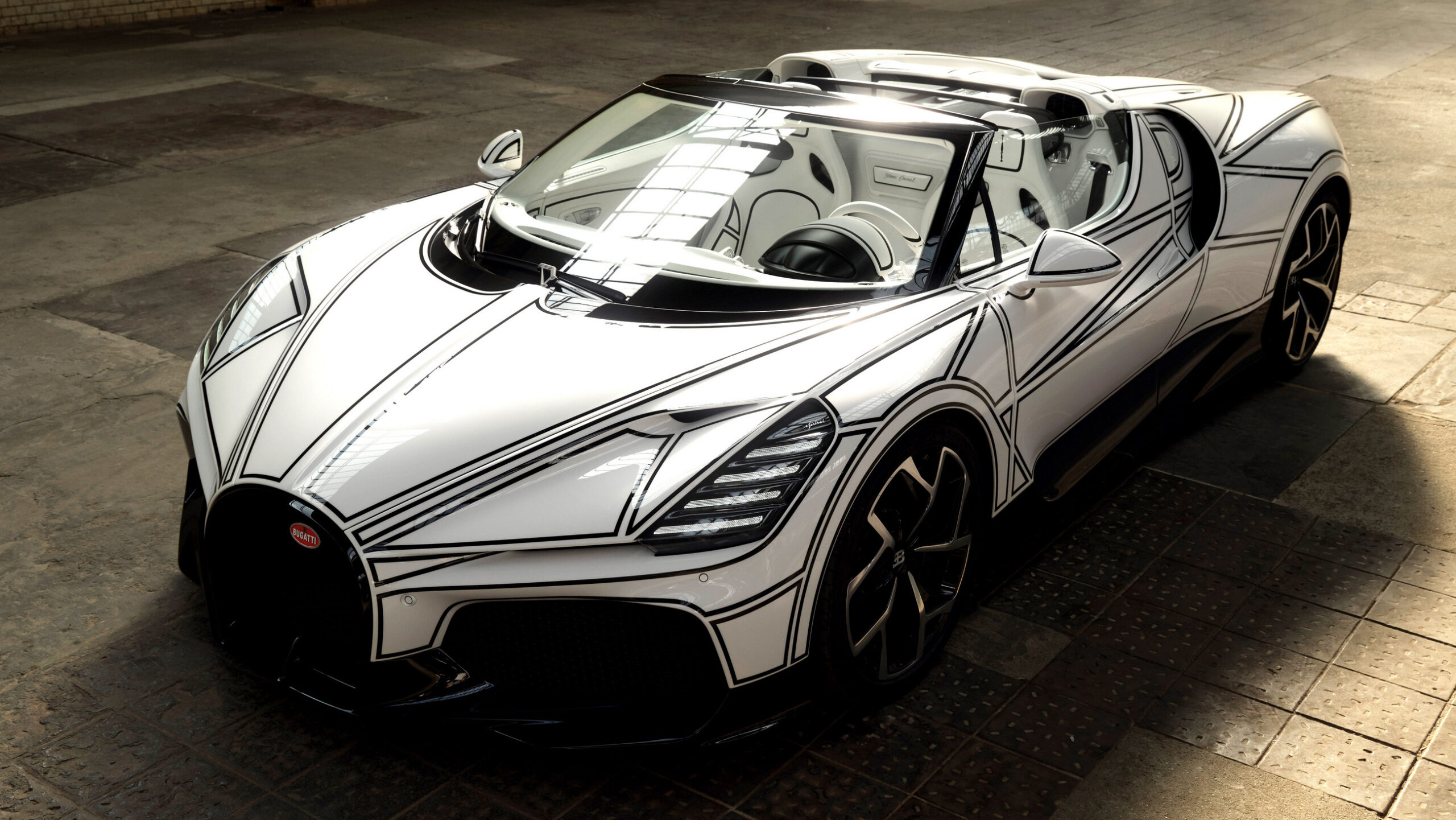
Blanc Éternel Hides Its Speed Behind a Gas Cap
Bugatti built a 261-mph roadster and made sure you'd notice the porcelain first.
From the other desks.

Gold Leaf on a Lacquer Dial, and the Weight of What That Costs
Awake's Frosted Leaf Royal Blue asks a question Vietnamese craft has never quite had to answer at this price.

ESPN Named Him. Then Unnamed Him. Nobody's Explaining the Gap.
A retraction without a reckoning is just a deleted link.

Hide My Email Has Been Showing Your Email
Apple's privacy flagship has a hole in it. They've known for over a year.