Tesla Filed the Number With Texas. Now Everyone Can See It.
When registration records replace press releases, the gap between what was promised and what exists becomes undeniable.

Photo · InsideEVs - Articles
There's a specific kind of accountability that only happens when a government agency asks for paperwork. No narrative control, no earnings call framing, no carefully worded announcement. Just a number, filed with the Texas DMV, now sitting in the open.
That number is not 1,000.
A writer at InsideEVs has surfaced what the registration data actually says about Tesla's robotaxi deployment in Texas — and the distance between that figure and what Elon Musk promised is not a rounding error. It's a 95% shortfall. The piece is notable less for what it reveals about Tesla specifically and more for what it reveals about how autonomous vehicle promises have functioned as a category: as proxies for belief rather than forecasts with consequences.
The Promise Was Always the Product
Autonomous driving has operated on a different credibility standard than almost any other technology sector. Timelines slip, goalposts move, definitions of "full self-driving" stretch past any reasonable reading of the phrase — and the conversation largely continues without demanding reconciliation between what was said and what arrived. The hype has been its own form of currency.
What makes this moment different is the paper trail. Registration documents don't care about vision. They record what physically exists, what's insured, what's operating on public roads. When InsideEVs reports that Tesla's own filings with the Texas DMV put the robotaxi count nowhere near the four-digit figure Musk cited, the gap isn't a matter of interpretation. It's a matter of record.
Musk made the 1,000-vehicle claim last year. The registration data — revealed, per the piece, for the first time through those DMV submissions — tells a different story. That's not spin versus reality. That's a promise and a registration living in the same public record, not speaking to each other.
What Credibility Looks Like When It Costs Something
The broader industry has been here before. Autonomous vehicle timelines have been wrong consistently enough that serious analysts now treat deployment projections as aspirational by default. But there's a difference between a startup overpromising on a roadmap and a company with Tesla's scale, market cap, and devoted following filing paperwork that contradicts its founder's public commitments.
The credibility problem isn't just reputational. It's structural. If the promise of 1,000 robotaxis shaped investor expectations, shaped regulatory conversations, shaped the cultural narrative around what Tesla was building in Texas — then the actual count matters beyond the headline gap. Every decision made downstream of that promise was made on false ground.
What the InsideEVs piece does, almost quietly, is establish that autonomous deployment now has a paper record. The DMV doesn't grade on a curve. You either filed vehicles or you didn't. And that changes the game slightly — not because it will slow Musk down, but because it creates a reference point that future promises will be measured against whether he acknowledges it or not.
The machine may be real. The timeline was not.
Keep reading cars.

800 Horsepower, One Ton of Doubt
Lamborghini built the most powerful SUV it's ever made. It's also slower than what it replaced.

£11,990 Draws a Line Under Every Excuse You Had Left
Dacia just made the cheapest new car in Britain electric — and that's not a footnote, it's a verdict.
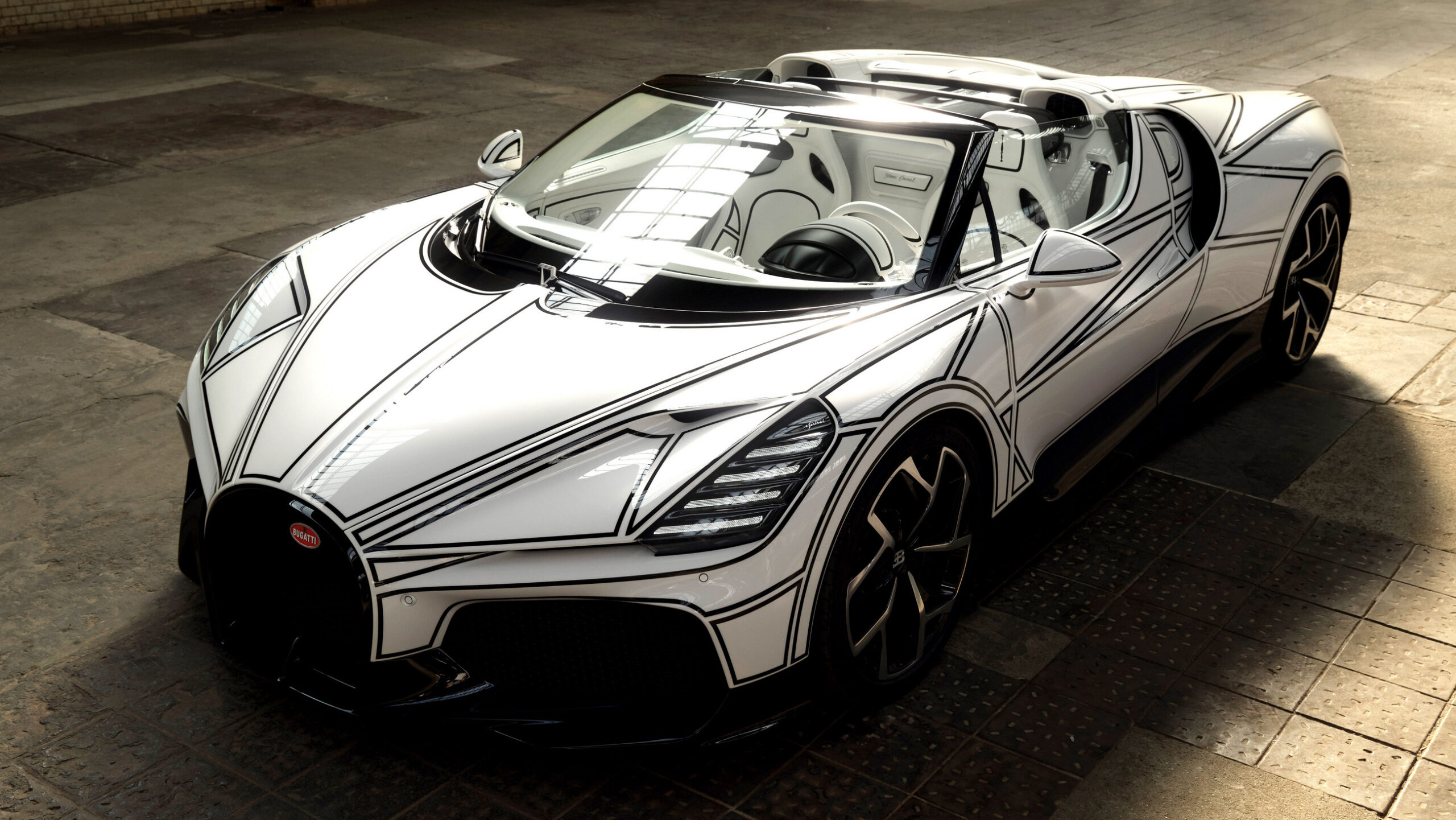
Blanc Éternel Hides Its Speed Behind a Gas Cap
Bugatti built a 261-mph roadster and made sure you'd notice the porcelain first.
From the other desks.

Gold Leaf on a Lacquer Dial, and the Weight of What That Costs
Awake's Frosted Leaf Royal Blue asks a question Vietnamese craft has never quite had to answer at this price.

ESPN Named Him. Then Unnamed Him. Nobody's Explaining the Gap.
A retraction without a reckoning is just a deleted link.

Hide My Email Has Been Showing Your Email
Apple's privacy flagship has a hole in it. They've known for over a year.