Menswear Spent Decades Pretending to Be Useful. Now It's Pretending to Be Obsessed.
Highsnobiety asked why every man looks like he has a weird little hobby. The more interesting question is why that took so long to notice.
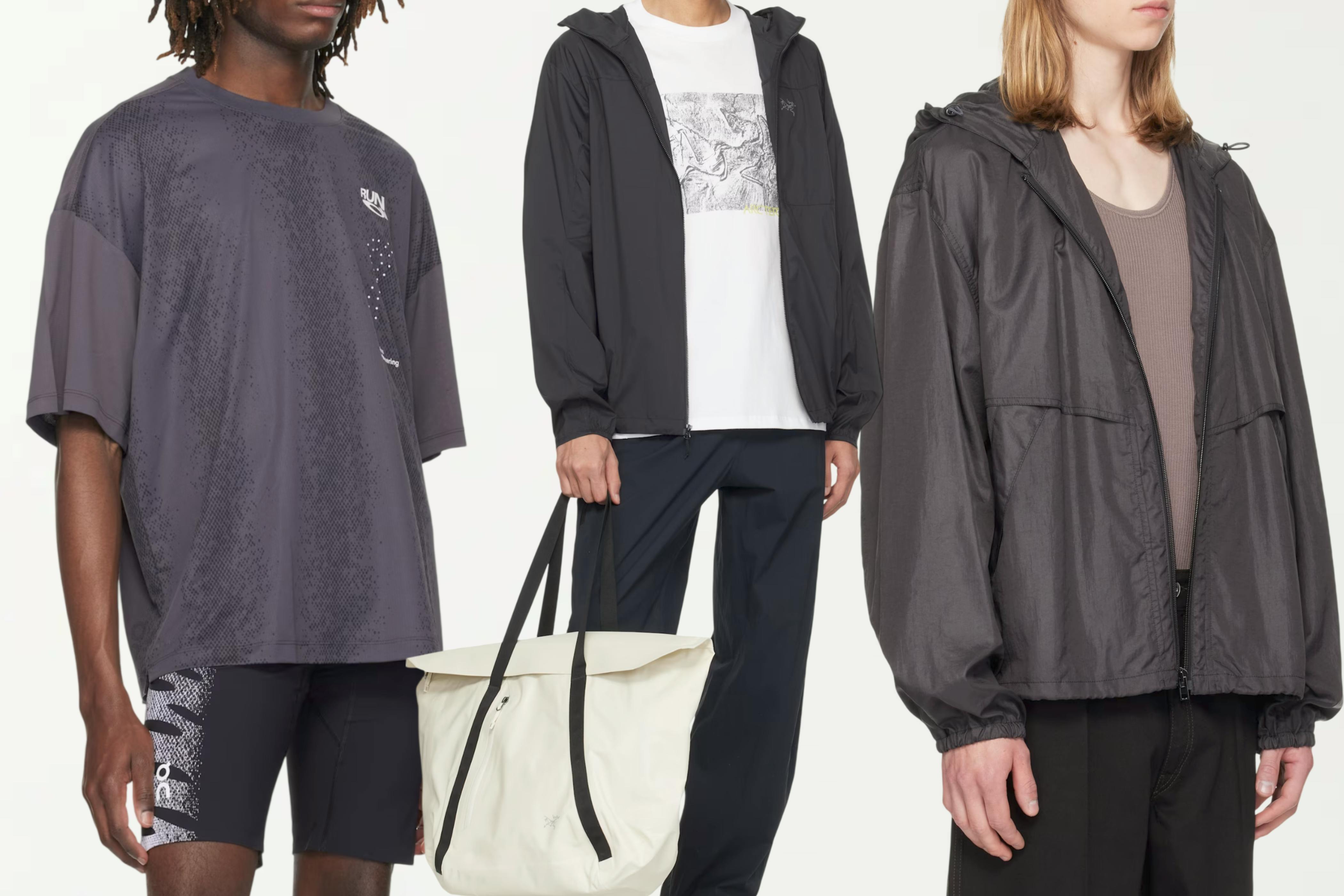
Photo · Highsnobiety
Highsnobiety, with an assist from SSENSE, has staked out a position worth sitting with: men are dressing like they have a weird little hobby, and the publication wants to know why — and how to do it without looking like a mess.
Fair enough. But the observation itself is the real story.
The Costume Replaced the Uniform
For a long time, menswear organized itself around a fiction of purpose. The jacket that looked like it could survive a mountain pass. The boot that suggested manual labor you'd never actually performed. The waxed canvas bag that implied a life of serious errands. Function was the alibi. You weren't dressing up — you were prepared.
What Highsnobiety is noticing, whether or not it says so directly, is that the alibi has changed. Men aren't reaching for the language of utility anymore. They're reaching for the language of niche obsession — the fishing vest, the orienteering color palette, the reference that signals belonging to a very specific and somewhat inexplicable subculture. The costume still exists. It's just honest about being a costume now.
That's not a small shift.
Identity Became the Default Setting
There's something worth noting about the timing of this. When the internet made subcultures visible to everyone simultaneously, it also made them available to everyone simultaneously. The weird hobby aesthetic works because it borrows the credibility of specificity without requiring the biography. You don't need to actually fly fish. You just need to dress like someone who has opinions about it.
This could read as hollow, and sometimes it is. But I think the more generous read is that men are finally comfortable admitting that clothes are communicative rather than functional — that you wear something because of what it says, not because of what it does. That's been true of fashion forever. Menswear just spent decades pretending otherwise.
The piece being published by Highsnobiety in partnership with SSENSE is its own kind of signal. These aren't outsider observers. They are, in a meaningful sense, the infrastructure through which this aesthetic gets codified and sold. When the store and the publication jointly ask "why does everyone dress like this," part of what they're doing is answering the question: because we made it accessible, and here's how to buy your way in.
That's not a criticism. It's just the honest shape of how trends move now.
What I keep coming back to is the word weird in the original framing. Not "niche." Not "specific." Weird. There's affection in that word, and a little bit of self-awareness — an acknowledgment that the whole enterprise is slightly absurd, which is precisely what makes it interesting. Menswear that takes itself completely seriously tends to calcify. Menswear that can call itself weird has room to breathe.
The hobby was never the point. The permission was.
Keep reading fashion.

Gold Leaf on a Lacquer Dial, and the Weight of What That Costs
Awake's Frosted Leaf Royal Blue asks a question Vietnamese craft has never quite had to answer at this price.
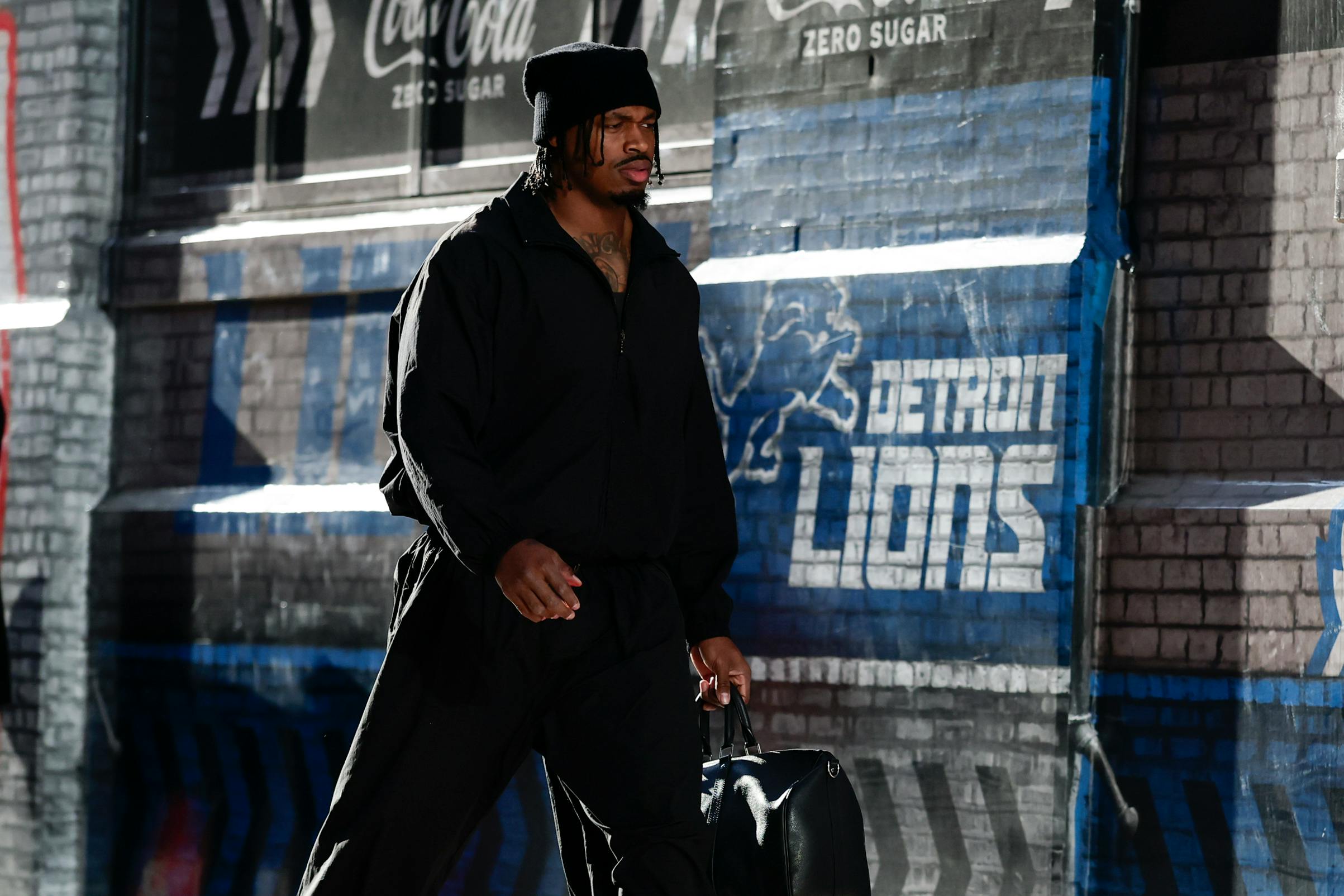
Kyle Smith Has a Job Title That Didn't Exist Before. That's the Whole Tell.
When the NFL hires a fashion editor, it's not about clothes — it's about who gets to decide what matters.
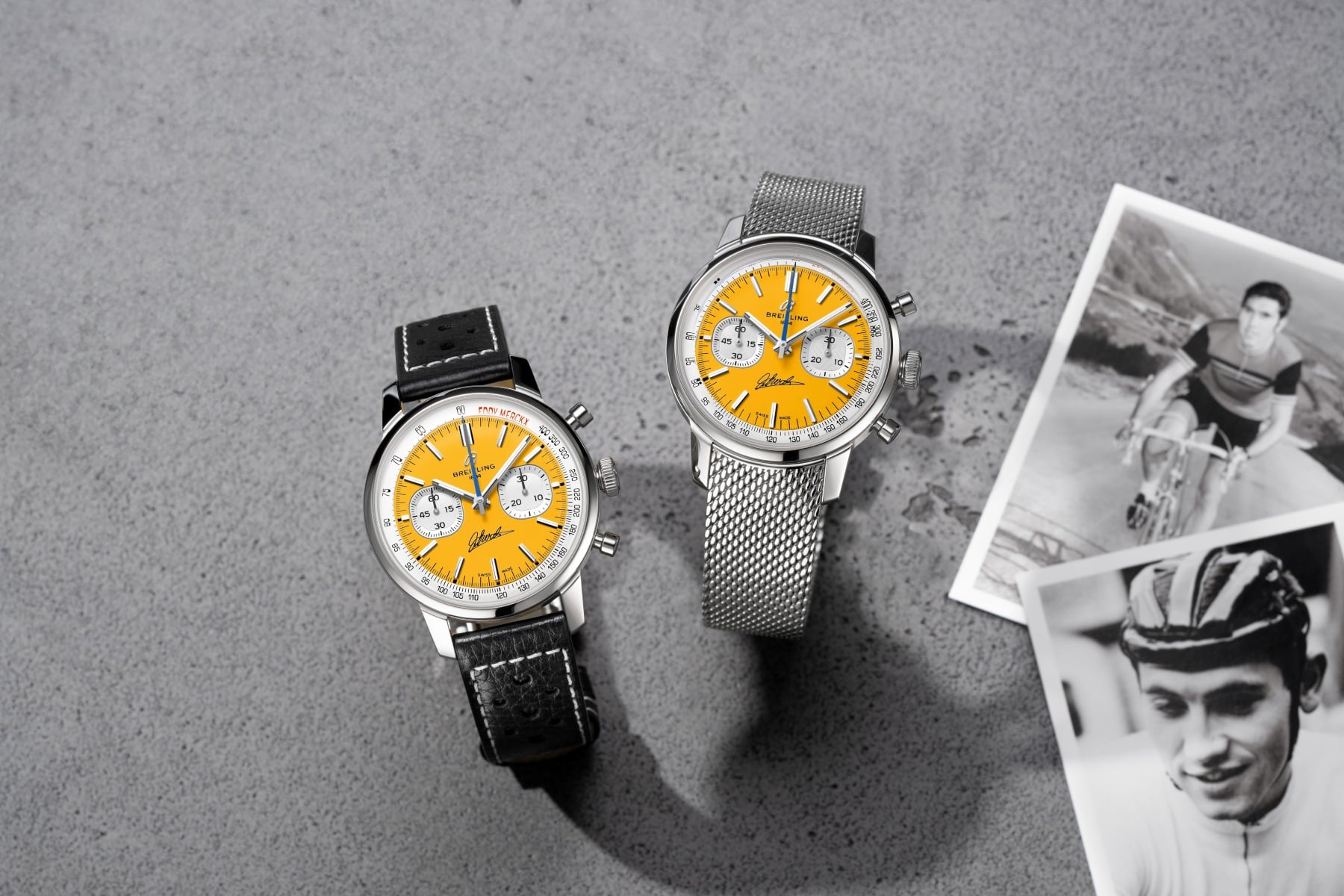
525 Victories, One Dial, and Cycling's Long Wait for a Wrist
Breitling's Eddy Merckx edition doesn't just reference a legend — it asks whether motorsport's younger sibling has finally earned its place in serious watch culture.
From the other desks.

800 Horsepower, One Ton of Doubt
Lamborghini built the most powerful SUV it's ever made. It's also slower than what it replaced.

ESPN Named Him. Then Unnamed Him. Nobody's Explaining the Gap.
A retraction without a reckoning is just a deleted link.

Hide My Email Has Been Showing Your Email
Apple's privacy flagship has a hole in it. They've known for over a year.