We Paid to Escape Ads. Now We Pay to Escape the Escape.
Streaming sold us freedom from cable. Then it quietly became cable. Then it started charging extra to remember the original deal.

Photo · The Verge
The Memory of a Better Deal
There's a version of the internet that lives in the part of your brain reserved for things that were genuinely, briefly, almost suspiciously good. Free two-day shipping before the asterisks multiplied. Social media before the algorithm got hungry. And streaming — streaming before the ads came back.
Not cable-style ads. We were promised we'd left those behind. We'd cut the cord, we'd paid our $7.99 a month, we'd earned the clean feed. The Verge noted that Netflix launched its standalone streaming service at exactly that price back in 2010 — $7.99 — and that Amazon's Prime Video arrived with the same proposition: ad-free as a baseline, not a reward. That was the contract. You pay a little, you watch without interruption. Simple. Almost revolutionary in how undramatic it was.
What happened next wasn't a betrayal, exactly. It was more like a slow substitution, the kind where you don't notice until you're already holding something completely different from what you ordered.
The Quiet Reclassification
At some point — no single villain, no single press release — ad-free stopped being the standard tier and became the upgrade. The floor dropped. What you used to get for less than eight dollars a month became something you had to pay more to preserve. The Verge framed it plainly: ad-free streaming is a luxury now. Not a feature. Not a default. A luxury. That word is doing real work in that sentence. It means the thing you once had for free now costs extra, and the fact that you once had it for free is simply no longer relevant to the pricing model.
This is how the streaming promise died — not with a cancellation, but with a reclassification. The industry didn't take anything away. It just moved the line.
And then it made the ads louder.
Ars Technica reported that California passed a law — taking effect July 1 — making obnoxiously loud streaming ads illegal, with Illinois passing a similar measure. Think about what it takes to get a law passed. Someone has to be angry enough, long enough, in enough numbers, that a legislature decides to spend time on it. Loud ads on streaming services cleared that bar. We collectively got mad enough about the volume of commercials on platforms we are already paying for that two states wrote it into statute.
Cable, But Make It Nostalgic
Here's what I keep turning over: the streaming industry didn't just recreate cable economics. It recreated cable aesthetics — the interruptions, the volume spikes, the sense that the thing you're watching is a vehicle for something else — and then had the audacity to charge a premium for the version without those things. Cable at least never pretended it was something purer. It was always a bundle, always a compromise, always slightly too expensive for what it delivered. Streaming arrived with a manifesto and a mission. Watch what you want, when you want, without the noise. That was the pitch.
Now the pitch is: pay more and we'll honor the original pitch.
The California law targeting loud ads, and Illinois following suit, signals something worth sitting with: the ad-supported tier has gotten aggressive enough that government intervention felt proportionate. These aren't laws about cable. They're laws about Netflix and its peers — the platforms that built their brands on being the alternative to exactly this kind of experience.
What You're Actually Paying For
Maybe the most honest thing the streaming industry ever did was this reclassification, because it finally told the truth about what we were buying. We weren't buying content. We were buying an experience — specifically, the experience of watching content without being interrupted, without being shouted at, without the relationship feeling transactional in quite such an obvious way. That experience, it turns out, has a price. It always did. It was just bundled in at first to get us hooked.
Now it's unbundled. Now you can see the line item.
I don't think most people are angry about paying for streaming. The anger — and the California law, and the Verge's framing, and the general low-grade exhaustion you feel when you open a streaming app — is about the bait. We were shown one thing and then handed another, slowly enough that there was no moment to object. And the thing we were handed looks, sounds, and bills like the thing we left behind when we cut the cord in the first place.
The streaming wars produced a lot of winners. The cable bundle wasn't one of them — until it was, just wearing a different name and asking for your payment information one more time.
Keep reading tech.

Hide My Email Has Been Showing Your Email
Apple's privacy flagship has a hole in it. They've known for over a year.

Sony Killed the Disc. Sony Is Also Killing the Store.
Two announcements, one company, and a quiet admission that "ownership" was always their word to define.
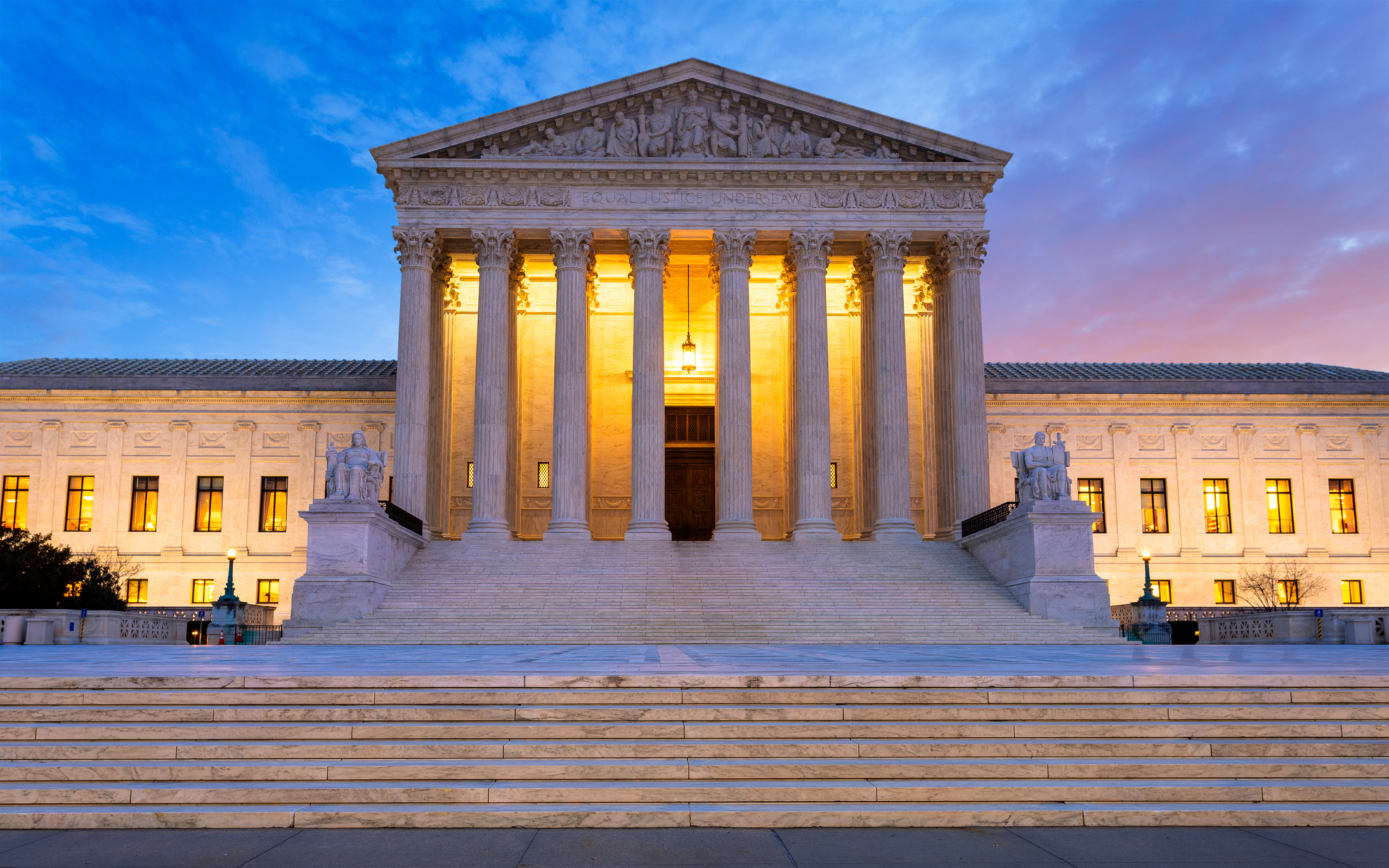
Apple Went to the Highest Court It Could Find. That Tells You Everything.
When a contempt ruling sends you to the Supreme Court, you're not defending a policy anymore — you're defending a worldview.
From the other desks.

800 Horsepower, One Ton of Doubt
Lamborghini built the most powerful SUV it's ever made. It's also slower than what it replaced.

Gold Leaf on a Lacquer Dial, and the Weight of What That Costs
Awake's Frosted Leaf Royal Blue asks a question Vietnamese craft has never quite had to answer at this price.

ESPN Named Him. Then Unnamed Him. Nobody's Explaining the Gap.
A retraction without a reckoning is just a deleted link.