Apple Went to the Highest Court It Could Find. That Tells You Everything.
When a contempt ruling sends you to the Supreme Court, you're not defending a policy anymore — you're defending a worldview.
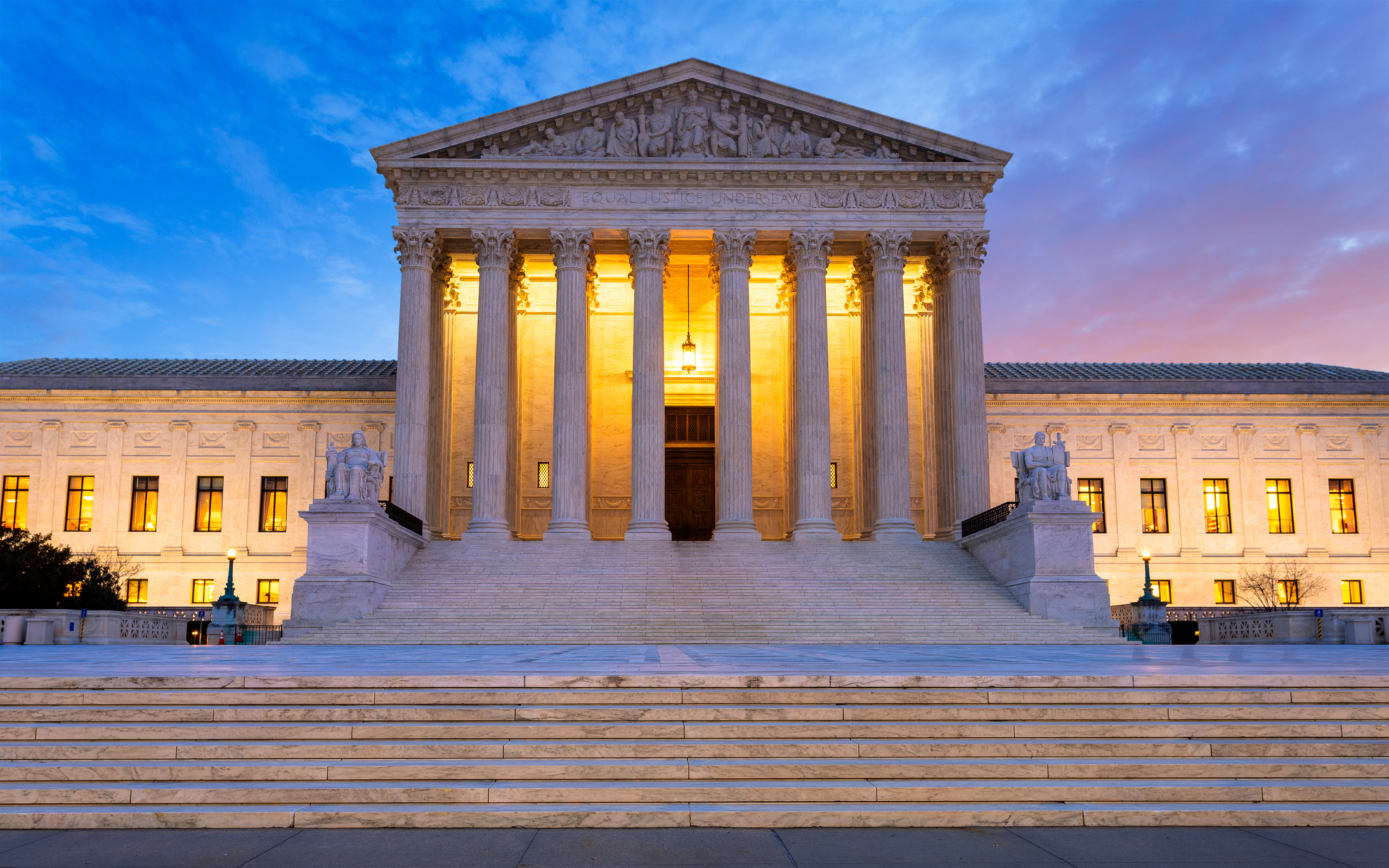
Photo · Ars Technica - All content
There's a version of this story where Apple is simply exercising its legal rights. Filing appeals, escalating disputes, using every available mechanism in a system designed to be used. That version is technically accurate and almost entirely beside the point.
The Supreme Court has agreed to hear Apple's appeal of the contempt ruling stemming from its years-long fight with Epic Games. According to MacRumors, Apple called the decision "welcome news" and framed it as "an important question of law." Ars Technica reported the court will weigh whether the contempt finding — which forced Apple to change its App Store linking rules — was "erroneous."
That's the legal framing. Here's the real one: a federal judge found Apple in contempt, an appeals court didn't save them, and now the highest court in the country has to sort it out. That's not a company confidently defending a position. That's a company running out of hallways.
The Wall They Built Is the Problem
Apple won the original Epic case in 2021. The court didn't find an antitrust violation. But Judge Yvonne Gonzalez Rogers issued an injunction anyway — requiring Apple to allow developers to link users to external payment options. Apple's response to that injunction is what triggered the contempt finding. MacRumors notes the Supreme Court had previously declined to weigh in on this dispute; the 2024 denial covered the original commission battle. What changed is that the contempt ruling made the question harder to ignore.
So here's what we actually have: Apple didn't lose on antitrust. It lost on compliance. It was told to open a door, opened something that looked like a door but functionally wasn't, and a federal judge noticed. That distinction matters more than any headline about the Supreme Court. The legal question the justices will consider is narrow. The business question underneath it is not.
The Cycle Is Familiar. The Stakes Aren't.
I've watched this loop run in tech for years. A dominant platform gets challenged. Regulators or courts find some narrow violation. The platform complies minimally, litigates maximally, and waits for the moment to pass. Usually it does. The fines become a cost of doing business. The injunctions get softened on appeal. The walled garden stands.
What's different here is the contempt finding. That's not a regulatory skirmish — that's a court saying Apple looked at a legal obligation and decided its own interpretation was better. Taking that specific question to the Supreme Court is either a genuine belief that the lower courts got the law wrong, or a bet that delay and uncertainty are worth more than resolution. Probably both.
Apple's statement, per MacRumors, is careful and confident-sounding. It usually is. But "important question of law" is the kind of phrase companies use when they need the question to remain open as long as possible. Settled law doesn't help them. Unsettled law, even unfavorable unsettled law, creates room to maneuver.
The Supreme Court taking this case doesn't mean Apple wins. It means the fight found an audience large enough that it can't be quietly managed anymore. For a company that built its mobile business on the premise that it controls the room, that's already a different kind of loss — the kind that doesn't show up in a ruling but lives in every future negotiation with every future regulator watching how this ends.
The garden might survive. But everyone can see the walls now.
Keep reading tech.

Hide My Email Has Been Showing Your Email
Apple's privacy flagship has a hole in it. They've known for over a year.

Sony Killed the Disc. Sony Is Also Killing the Store.
Two announcements, one company, and a quiet admission that "ownership" was always their word to define.

800 Trillion Won. Now Say That Number Out Loud.
South Korea just committed to memory chip dominance at a scale that makes the CHIPS Act look like a pilot program.
From the other desks.

800 Horsepower, One Ton of Doubt
Lamborghini built the most powerful SUV it's ever made. It's also slower than what it replaced.

Gold Leaf on a Lacquer Dial, and the Weight of What That Costs
Awake's Frosted Leaf Royal Blue asks a question Vietnamese craft has never quite had to answer at this price.

ESPN Named Him. Then Unnamed Him. Nobody's Explaining the Gap.
A retraction without a reckoning is just a deleted link.