Rich Paul Made One Call. The Rest Is Archaeology.
LeBron leaving the Lakers at 41 isn't a free agency story. It's a verdict.
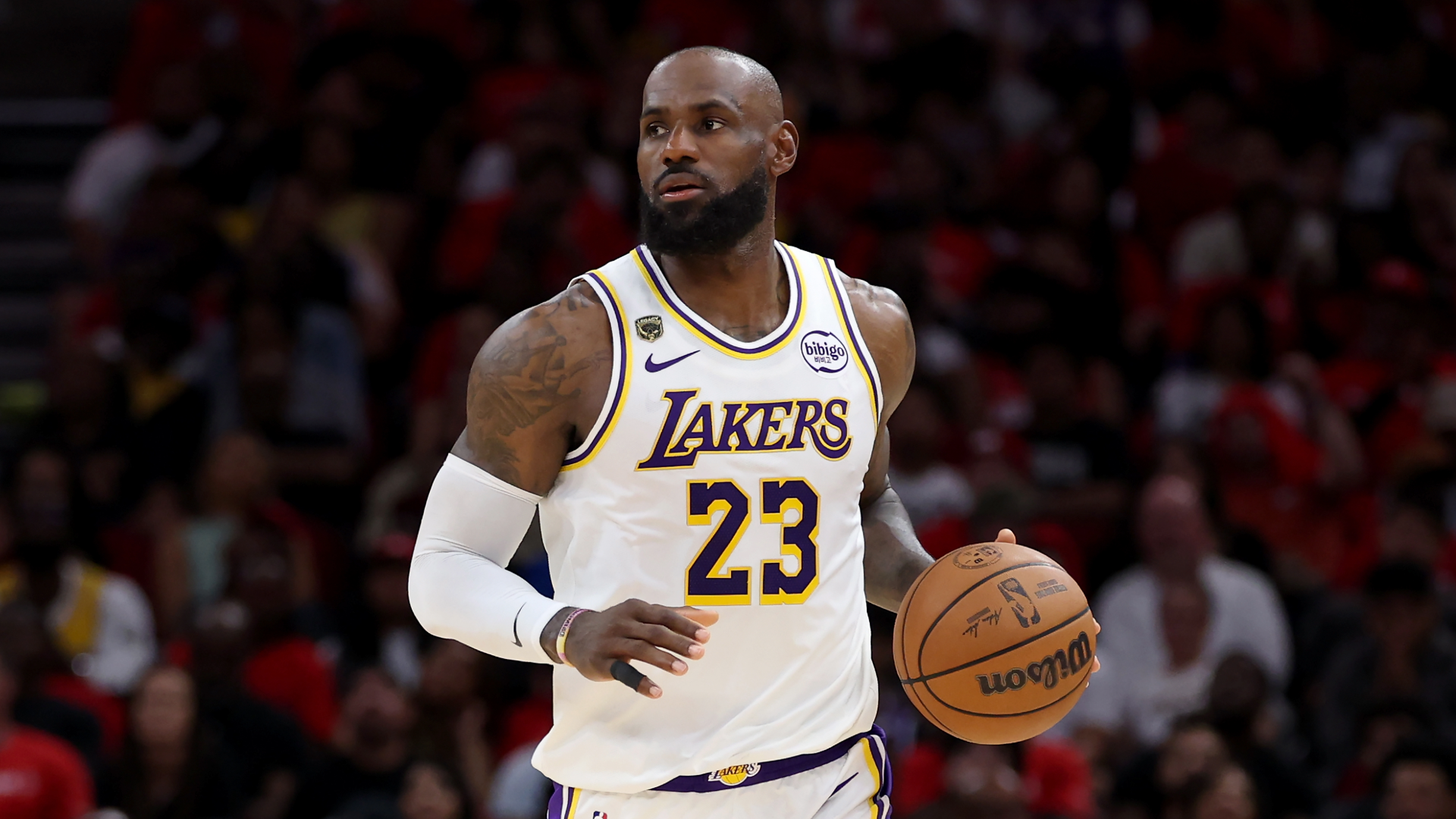
Photo · CBS Sports Headlines
The Workout
Somewhere in Los Angeles, in the hours before the news broke, LeBron James was in a gym. According to the New York Post, he was lifting. Focused. Ripped. Not visibly sweating the decision that was about to detonate a fanbase and rewrite the final chapter of the most scrutinized career in basketball history. Whatever he had resolved, he had resolved it well before the rest of us were invited to react.
That image keeps pulling at me. A 41-year-old man — one who will turn 42 during the upcoming season, per the Guardian — choosing not to retire, choosing instead to leave. There's a difference there that most of the coverage glossed over in its rush to process the shock. Leaving is an action. Retiring is an acceptance. LeBron James is still taking actions.
His representative, Klutch Sports CEO Rich Paul, confirmed as much: LeBron intends to keep playing. Just not in purple and gold. He informed the Lakers on Tuesday, and by the time NBA free agency opened at 6 p.m. ET, per The Athletic, the rest of the league already knew the shape of what was coming.
Eight Years, One Ring, One Reckoning
He spent eight seasons with the Lakers. He won them a championship in 2020. The Guardian noted it. Every outlet noted it. And then, almost without exception, they moved on to the Warriors speculation — the possibility of LeBron joining Stephen Curry in Golden State, a reunion that would be less a basketball decision than a cultural event, two icons sharing a stage before the lights go down for good.
But I want to stay in those eight years for a moment, because they contain something the box scores can't hold.
Eight seasons is a long time to wait for an organization to become what you need it to be. Long enough to watch front offices cycle through decisions that don't quite add up. Long enough to win once, against enormous odds, in a bubble season nobody will ever fully contextualize, and then spend the years after wondering why that window never reopened. LeBron is a 22-time All-Star, per the Guardian. He is, by any reasonable accounting, not the variable that needed fixing. And yet here we are.
CBS Sports described it plainly: LeBron ends his Lakers tenure. The Athletic's live updates noted the league already knew before free agency began. The story had been written before it was published. That's not a leak. That's a decision made with enough conviction that containing it became irrelevant.
What Fans Heard
The reaction was immediate and, depending on your appetite for collective grief performed online, either exhausting or cathartic. The New York Post captured the fan response, and one phrase kept surfacing in the discourse: absolute cinema. Lakers fans, caught between devastation and the involuntary acknowledgment that this was, in fact, a hell of a story, reached for the language of spectacle because the language of sports didn't quite cover it.
That's worth sitting with. When your team loses a player, you're sad. When you call it cinema, you're processing something larger — the recognition that you were watching a narrative, that the narrative has moved to its next act, and that you were a witness to something that will be discussed long after the specific wins and losses have blurred together.
LeBron leaving the Lakers is going to feel different in ten years than it feels today. Right now it reads as departure. Later it may read as clarity.
What Survival Looks Like at 41
The Warriors connection — still reported, still unconfirmed as anything more than a door opening — is where the coverage wanted to live. The image of LeBron and Curry together is irresistible, and I understand why every outlet reached for it. But I think the more honest read of this moment isn't about what's next. It's about what just ended.
LeBron didn't leave because Golden State is calling. He left because Los Angeles stopped offering what a competitor at the tail end of a historic career actually needs: a credible path. The move to another team, whatever team that turns out to be, is less a chase for legacy than it is a refusal to spend his final seasons on a roster that can't meet him where he is.
That's not a criticism of the Lakers. Organizations are complicated, slow-moving things. But there's a particular kind of clarity that comes to certain people when they've run out of patience with a situation they cannot control. LeBron James walked into a gym the morning the news broke and he lifted weights. He had already made his peace with it.
Most of us spend our lives waiting for the right moment to leave the thing that's stopped working. We dress the delay up as loyalty, as patience, as not being a quitter. And then someone who has won more than almost anyone in the history of his profession decides at 41 — when he could simply stop — that leaving is still better than staying.
I don't know what the Warriors become with LeBron James. I'm not sure that's the question worth asking yet.
The question worth asking is what it means that he still needs to find out.
Keep reading sports.

ESPN Named Him. Then Unnamed Him. Nobody's Explaining the Gap.
A retraction without a reckoning is just a deleted link.

Three People Died Celebrating. FIFA Hasn't Said Their Names.
Mexico City buried three people after the World Cup crowds came through. At some point, the sport has to sit with that.

Sell the Stadium, Lose the Room
NFL franchises are rolling out the welcome mat for World Cup tourists — and the desperation is showing.
From the other desks.

800 Horsepower, One Ton of Doubt
Lamborghini built the most powerful SUV it's ever made. It's also slower than what it replaced.

Gold Leaf on a Lacquer Dial, and the Weight of What That Costs
Awake's Frosted Leaf Royal Blue asks a question Vietnamese craft has never quite had to answer at this price.

Hide My Email Has Been Showing Your Email
Apple's privacy flagship has a hole in it. They've known for over a year.