Kyle Smith Has a Job Title That Didn't Exist Before. That's the Whole Tell.
When the NFL hires a fashion editor, it's not about clothes — it's about who gets to decide what matters.
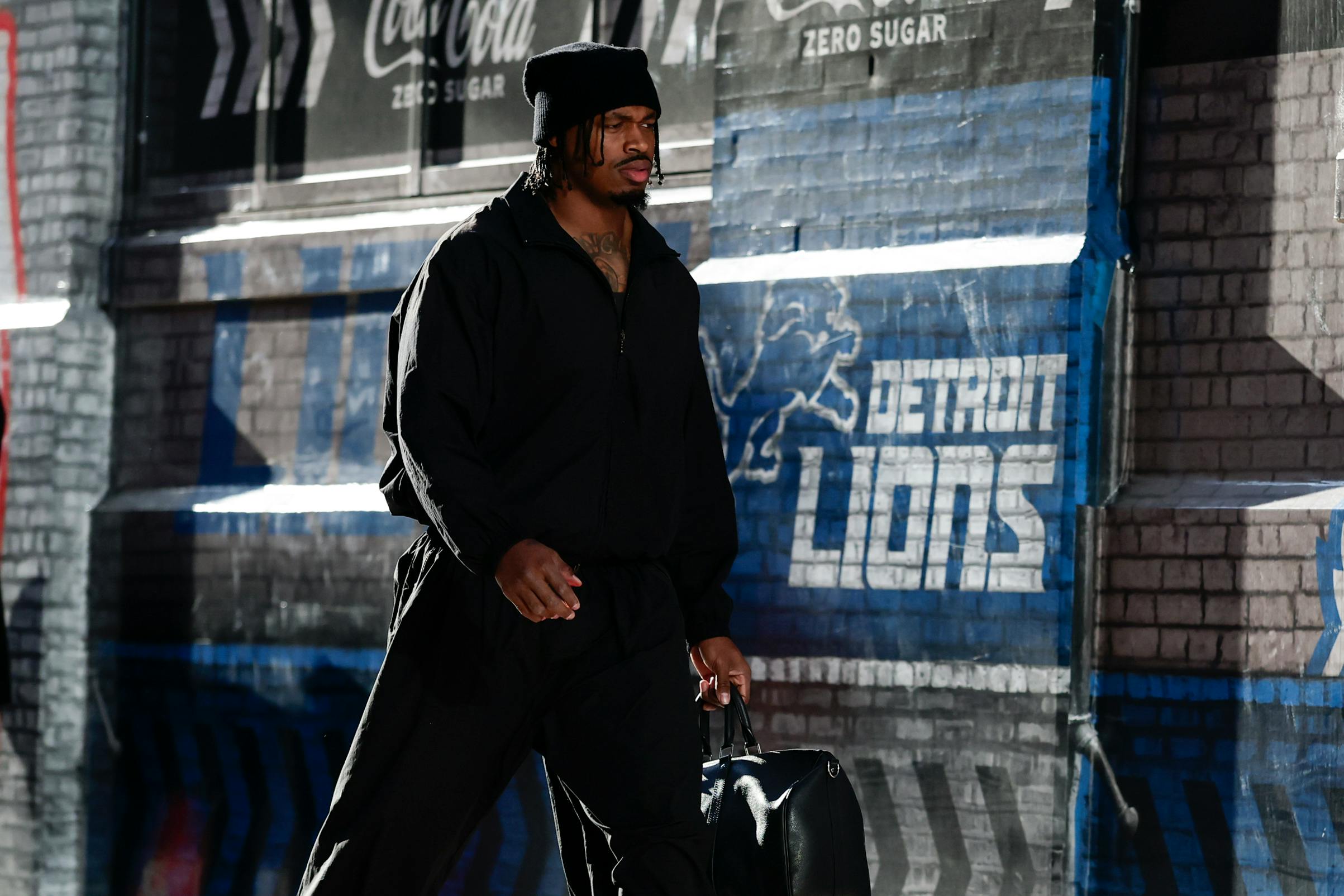
Photo · Highsnobiety
There's a job title floating around right now that would have read like satire ten years ago: NFL fashion editor. Kyle Smith holds it. Highsnobiety thinks it signals something seismic — that athletes have officially become cultural editors, not just cultural products. They're probably right. The more interesting question is what it costs to make that official.
The Permission Structure
For a long time, athletes shaped culture the way rivers shape rock — gradually, without anyone's approval, often despite active resistance. What Smith's existence as a hired, titled, institutional position represents is the moment the league stopped fighting the current and decided to become the riverbed instead. That's a meaningful shift. It's also a managed one.
Highsnobiety frames this as athletes arriving at a vital moment, finally recognized as the cultural arbiters they've always been. A writer there traces how the cult of sports has spread across fashion, music, and identity — how the stadium and the runway now share the same air. That read isn't wrong. But there's a version of this story that lands differently depending on how you squint at it.
When a league — any league, but especially the NFL, which has historically been precise about controlling its image — hires someone specifically to shape how its players present themselves culturally, the word "permission" starts doing a lot of work. Athletes always had this power. Now they have a department.
What Intentionality Does to Authenticity
Fashion people will tell you that the moment something becomes a strategy, you can feel it. Not always immediately. Sometimes it takes a season or two before the seams show. The reason a post-game tunnel fit resonates isn't because it was approved — it's because it wasn't. It was someone making a choice with their own money and their own eye, walking into a building full of cameras, daring the world to have an opinion.
Smith's role, as Highsnobiety describes it, is to help athletes become more intentional in that space. And intentionality, applied carefully, can be a genuine service — a player who knows how to work with a designer, who understands the conversation they're entering when they put something on, is a more compelling figure than one who's just wearing whatever arrived in a gifting suite. So the case for the role is real.
But the case against it is also real. Sports culture has broken into the mainstream precisely because it operated outside the usual gatekeeping. It didn't need an editor. It needed a camera and a hallway and someone who cared. The second you install an editor — even a good one — you've installed a filter. Filters, by definition, catch things.
The optimistic version of Smith's tenure is that he operates like a great creative director: invisible, amplifying, never overriding. The pessimistic version is that the NFL now has a lever it didn't have before, and organizations tend to use the levers they build.
I keep coming back to the timing. Highsnobiety calls this a vital moment, and I don't disagree — the overlap between sports culture and everything else is denser than it's ever been. Which means the stakes of getting this wrong are higher than they've ever been too. Authenticity in fashion, like authenticity in sport, has a very low tolerance for being performed.
The athletes who shaped this cultural moment did it by accident, mostly. By caring about something outside the white lines and refusing to keep it quiet. Whether a job title can protect that energy, or whether it slowly bureaucratizes it into something glossier and emptier — that's the experiment Kyle Smith is running, whether he'd frame it that way or not.
The league hired an editor. Now we find out if the story survives the edit.
Keep reading fashion.

Gold Leaf on a Lacquer Dial, and the Weight of What That Costs
Awake's Frosted Leaf Royal Blue asks a question Vietnamese craft has never quite had to answer at this price.
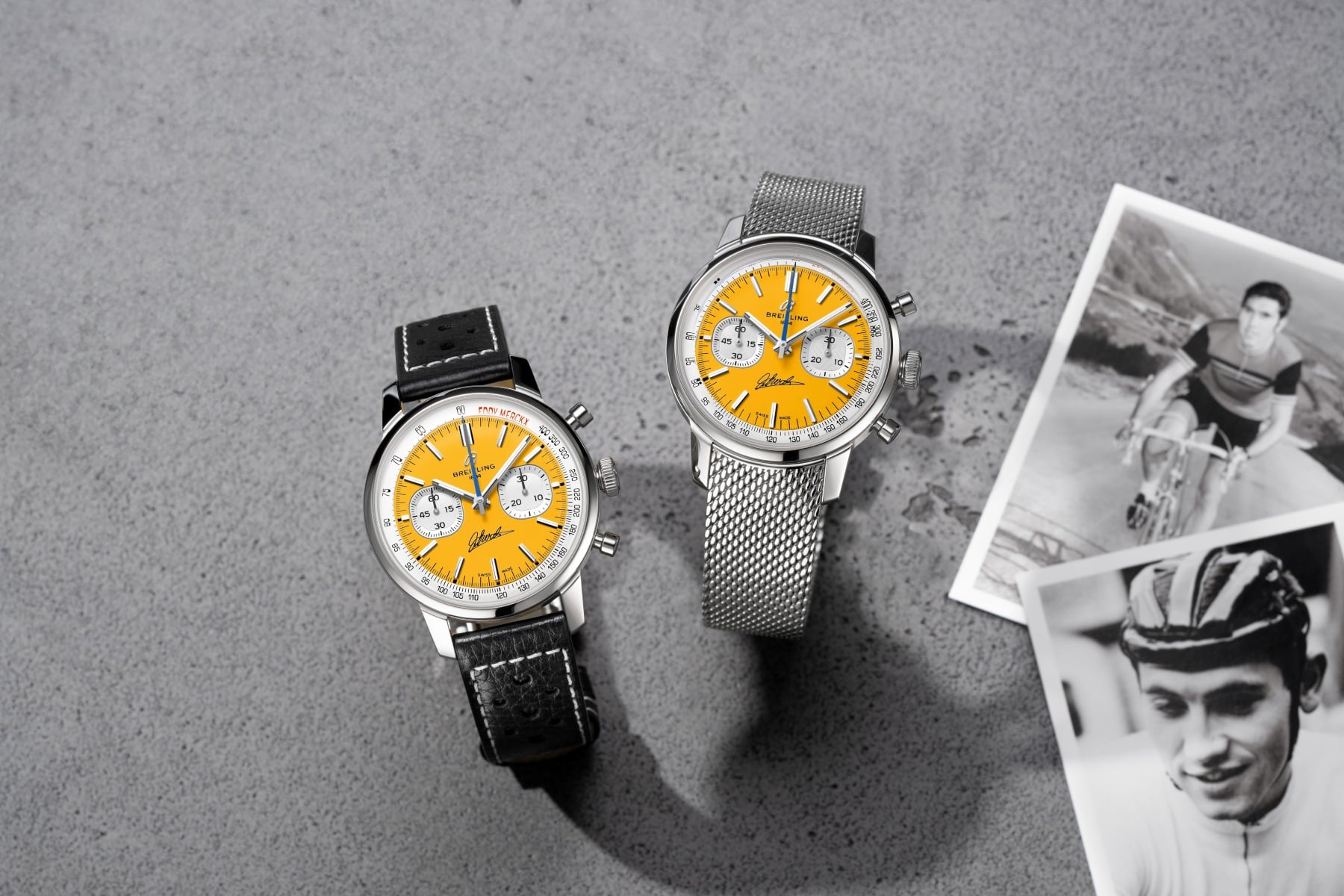
525 Victories, One Dial, and Cycling's Long Wait for a Wrist
Breitling's Eddy Merckx edition doesn't just reference a legend — it asks whether motorsport's younger sibling has finally earned its place in serious watch culture.

250 Years In, and the Flag Still Doesn't Need a Caption
Americana style endures not because it explains itself, but because it never had to.
From the other desks.

800 Horsepower, One Ton of Doubt
Lamborghini built the most powerful SUV it's ever made. It's also slower than what it replaced.

ESPN Named Him. Then Unnamed Him. Nobody's Explaining the Gap.
A retraction without a reckoning is just a deleted link.

Hide My Email Has Been Showing Your Email
Apple's privacy flagship has a hole in it. They've known for over a year.