250 Years In, and the Flag Still Doesn't Need a Caption
Americana style endures not because it explains itself, but because it never had to.

Photo · WWD
WWD just ran an archive piece on stars, stripes, and style — timed, deliberately, to America's semiquincentennial. The occasion is obvious. The observation underneath it is worth sitting with.
Patriotism in fashion has always had a credibility problem. Lean too hard into it and you're a costume. Stay too cool and you're just borrowing the iconography without paying dues. The codes that survive — denim, workwear, the bandana, the varsity letter — survive precisely because they stopped being about America a long time ago and started being about something more durable: the particular texture of a life lived in them.
That's the thread WWD is pulling on. And it's the right thread.
The Difference Between Wearing a Flag and Wearing What It Meant
There's a version of Americana that announces itself loudly — red, white, and blue draped over a runway in a way that reads more press release than garment. It performs the feeling. It does not carry it. And then there's the version that shows up in a canvas jacket that's been washed sixty times, or a pair of jeans that fit a certain way because they were made for actual labor, not the idea of it. One version is seasonal. The other one doesn't go anywhere.
The semiquincentennial is a moment that invites the loud version. Two hundred and fifty years is a number that wants to be celebrated with spectacle. What's interesting about the WWD take is that it reaches for the archive — not the new collection, not the anniversary capsule — as if to say the most honest response to this milestone is to look backward at what already lasted.
That's a quiet editorial argument dressed as a history piece. And I find it more convincing than most things written about fashion and national identity.
The Style That Survives Doesn't Know It's Iconic
The codes that feel genuinely American aren't the ones that were designed to feel that way. They were designed to do something: hold up under sun, take a knee without splitting, keep a working person dry. The symbolism accrued later, the way a good building earns its landmark status not by trying to be one but by still standing while everything around it changes.
That's what makes this moment interesting. At 250 years, the temptation is to codify, to declare, to produce the definitive Americana collection. But the archive says something different. It says the conversation was already happening in the work clothes and the street clothes and the things people actually wore on actual days — and it never needed a thesis statement.
A writer at WWD didn't need to argue that point. They just surfaced it and let it breathe.
I keep coming back to that choice. In a year full of retrospectives trying to tell you how to feel about America, there's something quietly radical about a fashion piece that just shows you what people wore and trusts you to understand why it mattered.
The most enduring style doesn't wave. It just holds its shape.
Keep reading fashion.

Gold Leaf on a Lacquer Dial, and the Weight of What That Costs
Awake's Frosted Leaf Royal Blue asks a question Vietnamese craft has never quite had to answer at this price.
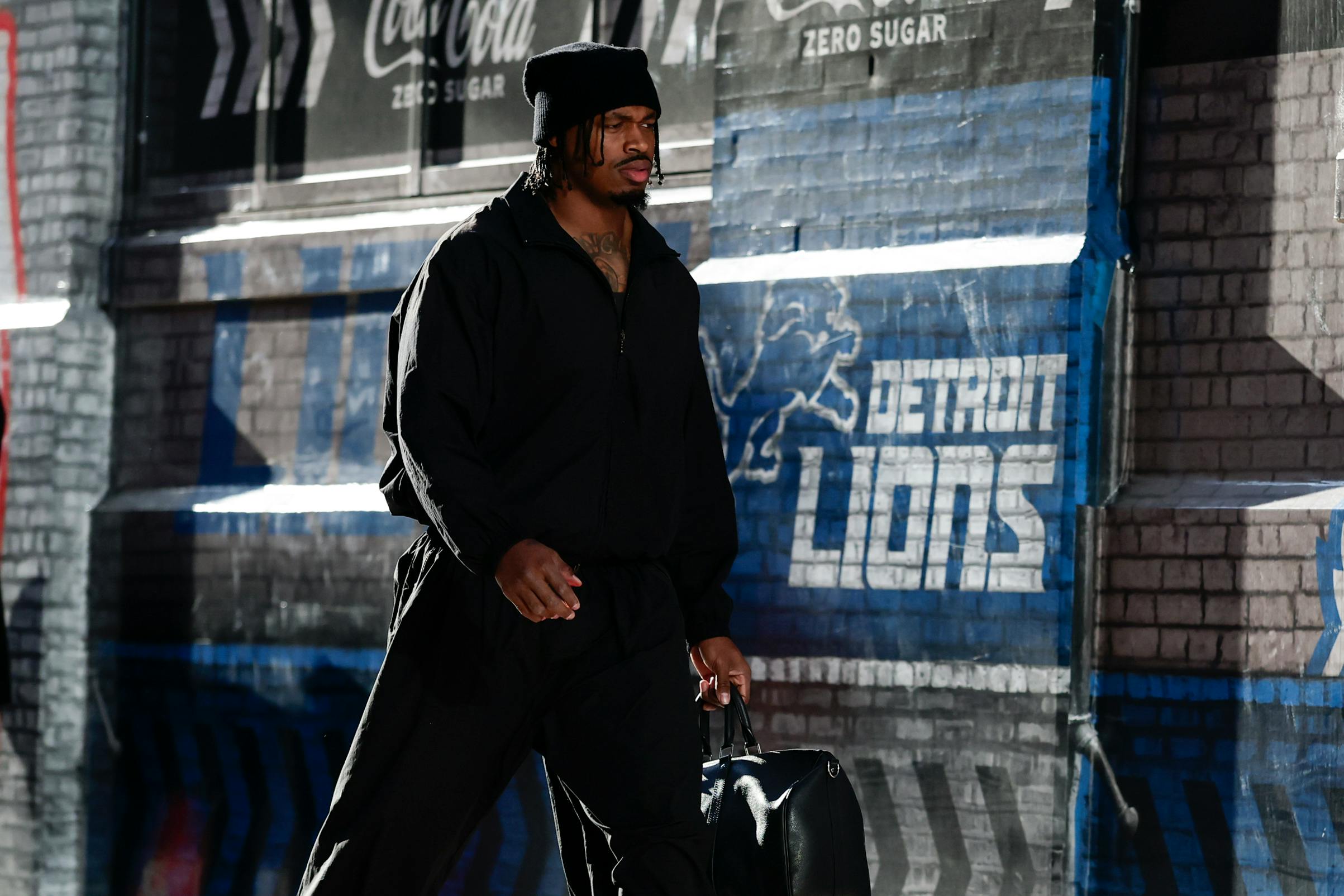
Kyle Smith Has a Job Title That Didn't Exist Before. That's the Whole Tell.
When the NFL hires a fashion editor, it's not about clothes — it's about who gets to decide what matters.
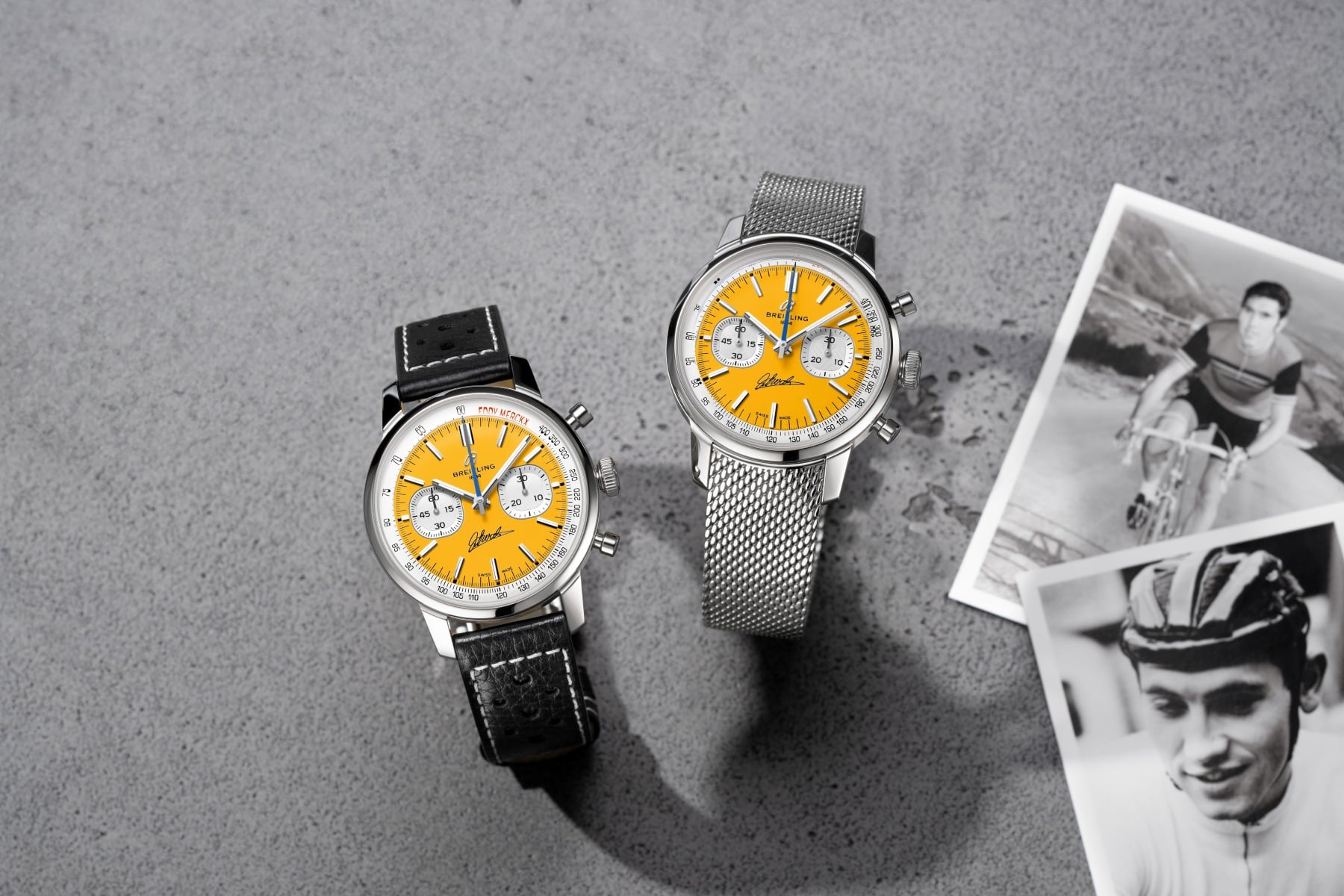
525 Victories, One Dial, and Cycling's Long Wait for a Wrist
Breitling's Eddy Merckx edition doesn't just reference a legend — it asks whether motorsport's younger sibling has finally earned its place in serious watch culture.
From the other desks.

800 Horsepower, One Ton of Doubt
Lamborghini built the most powerful SUV it's ever made. It's also slower than what it replaced.

ESPN Named Him. Then Unnamed Him. Nobody's Explaining the Gap.
A retraction without a reckoning is just a deleted link.

Hide My Email Has Been Showing Your Email
Apple's privacy flagship has a hole in it. They've known for over a year.