Rivian Built a $45,000 Car Like Money Was No Object
Every reviewer drove away impressed. What they were really measuring was whether taste could survive a budget.
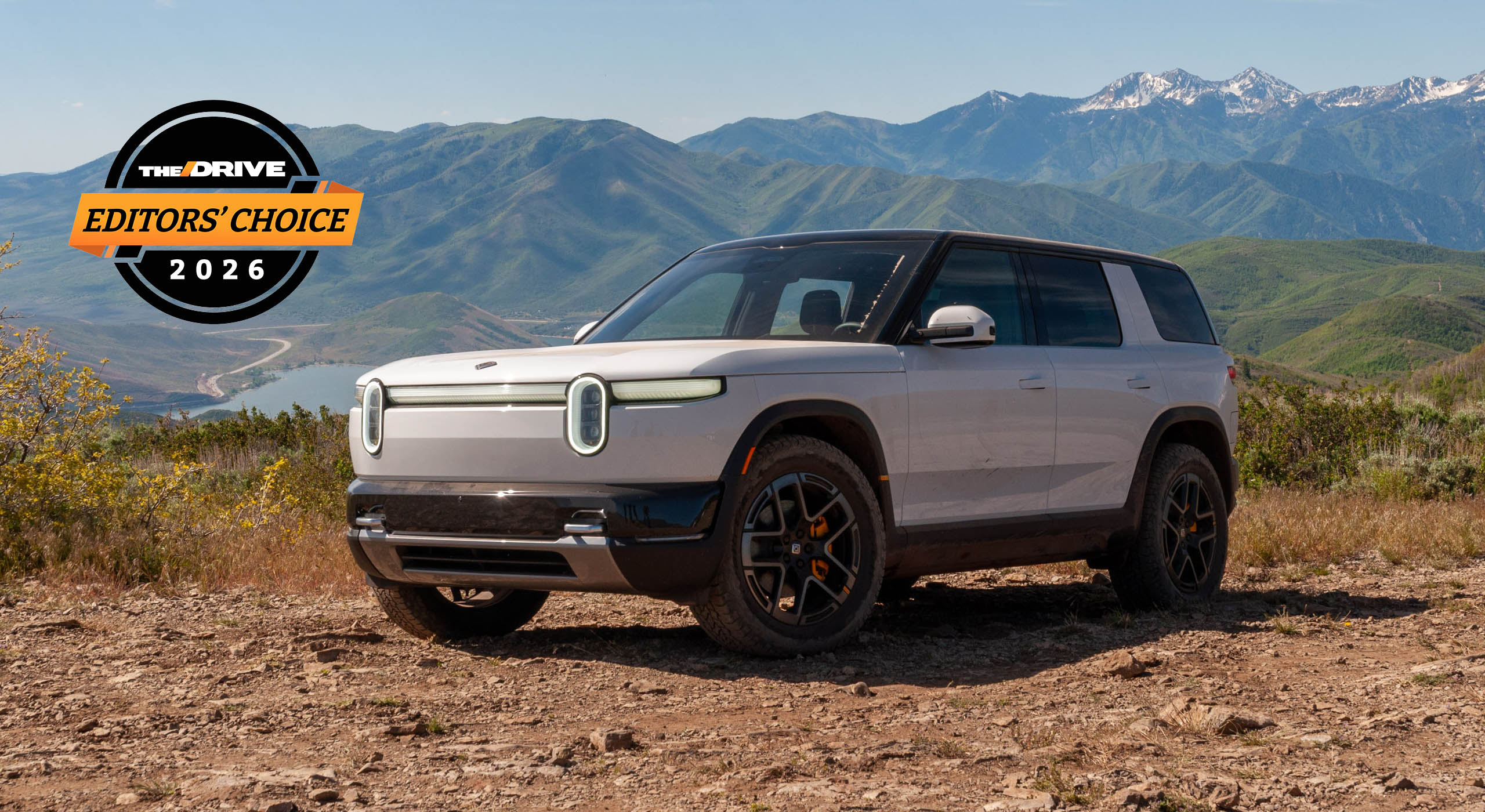
Photo · The Drive
The Shrink That Grew Something
Picture the meeting where someone says: strip out the wiring, lose the window molding, cut two feet off the length, halve the price — and make it better. Not adequate. Not acceptable for the segment. Better. That's either a delusional brief or a genuinely radical one, and the way Rivian's chief design officer framed it to The Drive — that the act of removing things produced a more polished vehicle, not a lesser one — suggests the company spent a long time deciding which it would be.
The R2 started, apparently, as an R1 put through a shrink ray. What came out the other side, after Rivian claims to have pulled 2.3 miles of wiring from the architecture, is something reviewers across nine separate outlets struggled to categorize. The Autopian called it not luxurious, not as capable off-road, not as quick as its bigger sibling — and then spent what it described as its longest and most thorough review explaining why none of that mattered. InsideEVs said it blew them away despite high expectations. Motor1 called it the Model Y's first real threat. The Verge said it was too much fun to let drive itself.
Nine reviews, one underlying argument: this car should not be this good for this price.
What $45,000 Is Not Supposed to Buy
The detail that keeps surfacing across the coverage — and that I keep returning to as the truest signal of what Rivian is actually attempting — is the rear wiper. It sounds small. It isn't.
The R2's design, with its pass-through spoiler and drop-glass tailgate, made every conventional rear wiper solution geometrically impossible. Another company might have redesigned the tailgate, or quietly dropped the wiper from the spec sheet, or shipped a car that collected road grime on its rear glass and called it a feature of the form. Rivian, according to The Drive's reporting, built a hidden, heated wiper trough that had never been engineered before. CEO RJ Scaringe said it took nights and weekends. At a $45,000 price point. For a wiper.
That's the tell. That's where you see what kind of company this is and what kind of bet they've placed. Because no focus group demanded a novel wiper mechanism. No competitor benchmarking study flagged it as a gap. Rivian invented a problem — by designing something beautiful — and then refused to let the problem win.
Electrek flew to Park City, Utah, drove a performance variant for five hours, and came back calling it a bet-the-company product. That framing has circulated enough to feel accurate. Rivian has been promising this car for years, and the R1S and R1T — however well-loved — were always serving a relatively narrow audience. The R2 is how Rivian finds out whether the broader market wants what Rivian is selling, or just wants cheap miles.
The Pet Cam Tells You Everything
There's a feature coming to the R2 that, on its face, sounds like a quirky press release item: a cabin camera that lets you watch your pet from your phone while the car is parked. It won't activate if it detects a human instead of an animal — a deliberate design decision that Rivian's Chief Software Officer explained to The Drive as a safeguard against domestic abuse.
Sit with that for a moment. Someone at Rivian — during the engineering of a mass-market SUV that had to hit a specific price target and a specific launch date — thought carefully enough about who might be trapped in a car and built a protection against it into a pet monitoring feature. That's not a regulatory requirement. That's not a lawsuit hedge. That's a values decision, made in the middle of an engineering problem, by people who apparently couldn't stop themselves from thinking it through.
The Verge noted that Rivian is all in on robotaxis and autonomy, but still has human drivers to win over. That framing points at something real. The autonomous future — whatever form it takes — will be built by companies that survive long enough to see it. Survival, right now, means convincing people who own a Model Y that there's something worth trading for. And the Model Y crowd is not easily moved. They're practical. They've done the math. They're not buying a story.
What the R2 seems to offer is the rare thing: a story that also checks out mathematically.
Park City Was the Easy Part
The Verge's drive ran from the streets of Park City up into the Wasatch Mountains — twisties, then off-road trails — and their conclusion was that the car was too engaging to hand over to software. That's a specific kind of compliment. It means the driving experience has enough texture, enough feedback, enough pleasure in it that giving it up feels like a loss rather than a convenience.
For an EV in this price range, that's genuinely new territory. Legacy automakers spent nearly a decade promising to match the Model Y. Rivian, as InsideEVs put it plainly, actually did it — and then went further, into refinement details that no one required of them.
I keep thinking about what it means to build something with that level of intention at a price point historically associated with compromise. The assumption, baked deep into how we think about cars and cost, is that taste is a surcharge. That the considered thing, the obsessively engineered thing, the thing where someone stayed up nights solving a wiper problem — that's what you pay extra for. Rivian is arguing the opposite. That taste is a strategy. That refinement, applied rigorously enough, becomes its own form of scale.
Whether the market agrees is the only question left. The car has already answered for itself.
Keep reading cars.

800 Horsepower, One Ton of Doubt
Lamborghini built the most powerful SUV it's ever made. It's also slower than what it replaced.

£11,990 Draws a Line Under Every Excuse You Had Left
Dacia just made the cheapest new car in Britain electric — and that's not a footnote, it's a verdict.
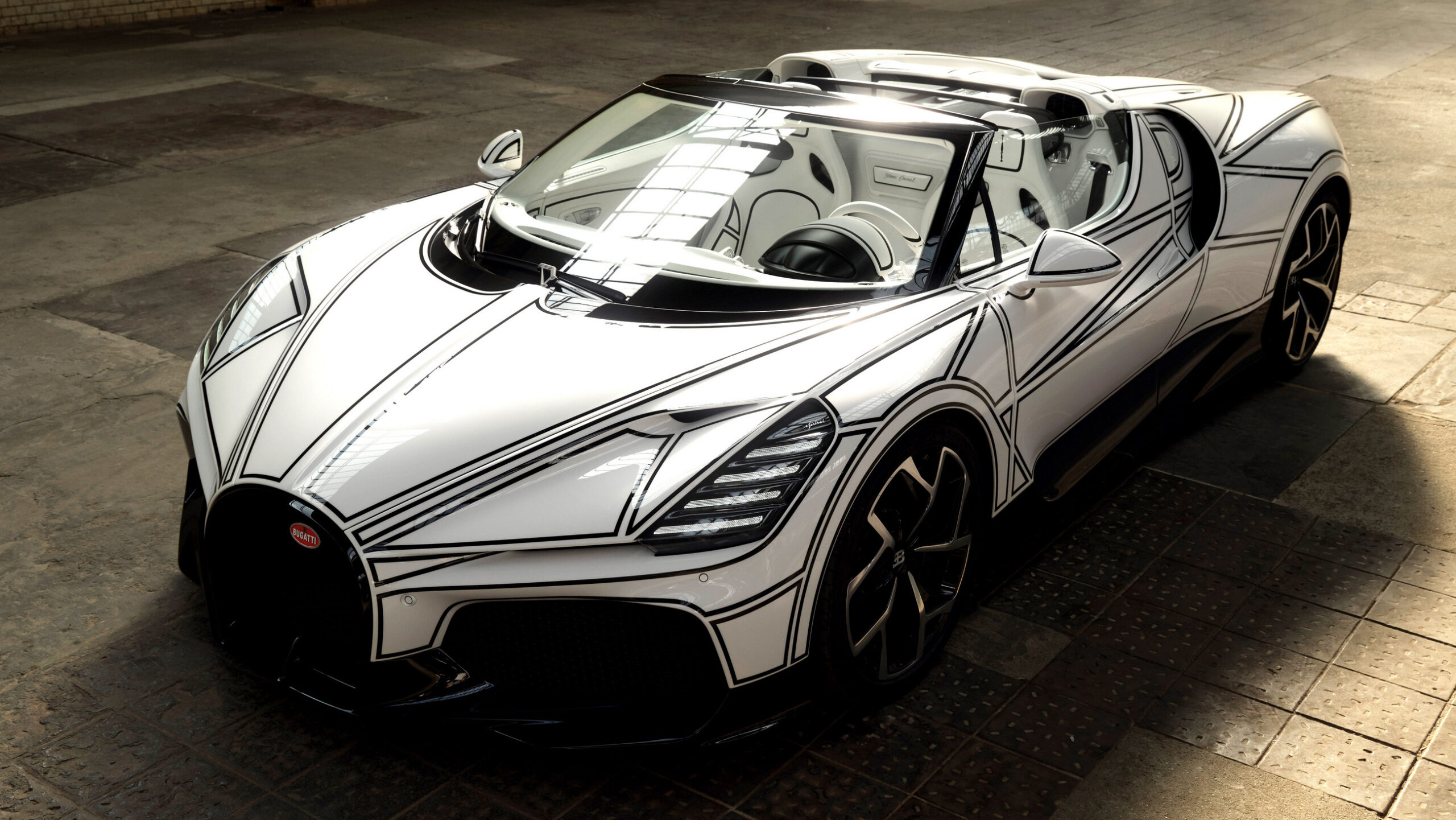
Blanc Éternel Hides Its Speed Behind a Gas Cap
Bugatti built a 261-mph roadster and made sure you'd notice the porcelain first.
From the other desks.

Gold Leaf on a Lacquer Dial, and the Weight of What That Costs
Awake's Frosted Leaf Royal Blue asks a question Vietnamese craft has never quite had to answer at this price.

ESPN Named Him. Then Unnamed Him. Nobody's Explaining the Gap.
A retraction without a reckoning is just a deleted link.

Hide My Email Has Been Showing Your Email
Apple's privacy flagship has a hole in it. They've known for over a year.