5,192 Pounds of PHEV Shouldn't Drive Like This. A Writer at The Drive Just Found Out It Does.
Audi built something that defies its own spec sheet, and the most interesting thing isn't the car — it's that someone had to be convinced.
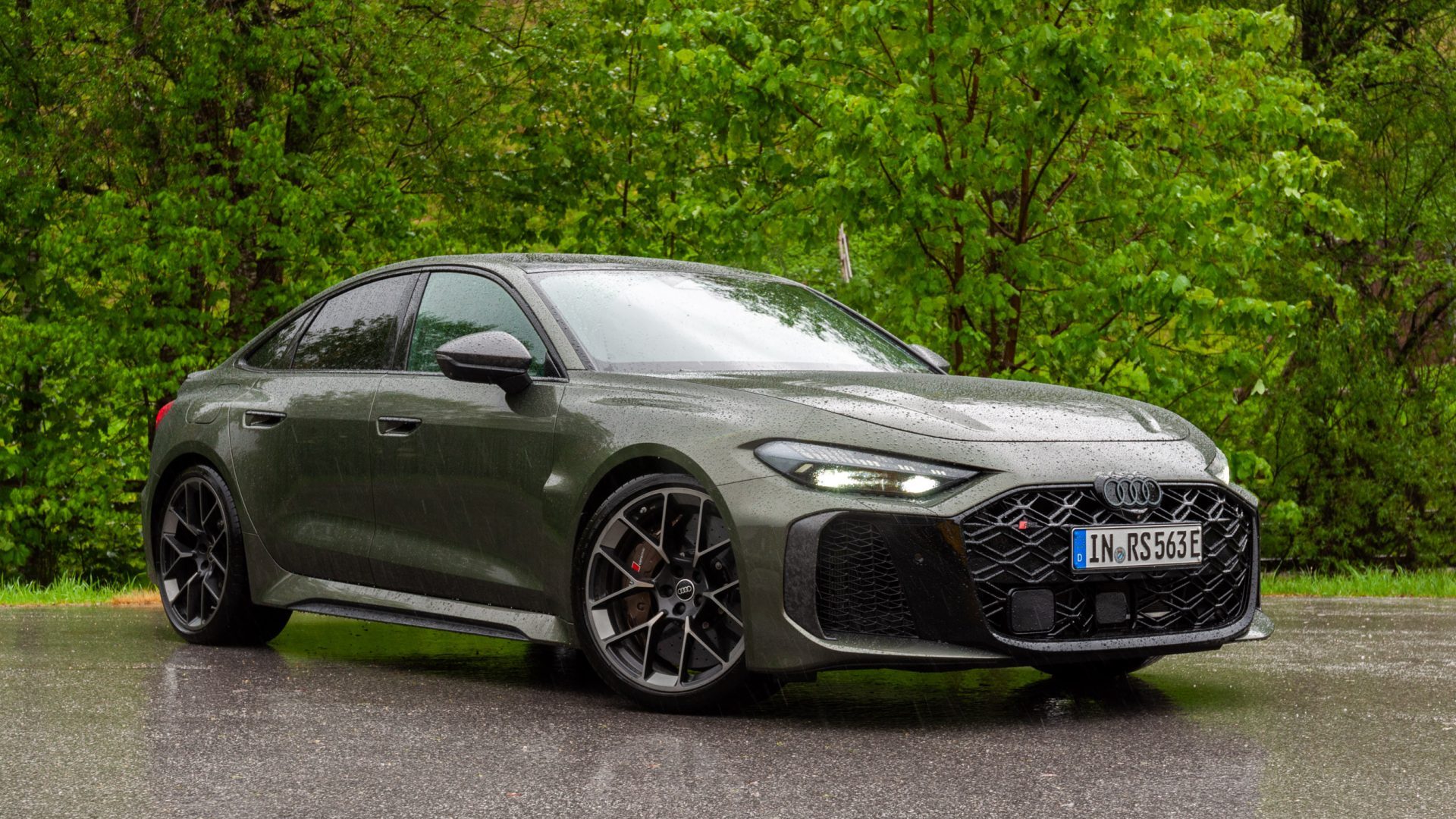
Photo · The Drive
5,192 Pounds of PHEV Shouldn't Drive Like This. A Writer at The Drive Just Found Out It Does.
Skepticism is the correct starting position. A plug-in hybrid RS5 pushing past 5,100 pounds, turbocharged V6, an all-wheel-drive system complicated enough to require its own paragraph — everything about that spec sheet is a reason to look away. So when a writer at The Drive admits they arrived as a skeptic and left converted, that's not a press release. That's a tell.
The conversion matters more than the car, almost.
What Over-Engineering Actually Means
There's a version of over-engineering that collapses under its own ambition. Too many systems talking to each other, too many intervention points, and the whole thing feels mediated — like you're operating software that happens to have wheels. German manufacturers have been accused of this for years, and not always unfairly. Complexity as a substitute for feel. Weight as a byproduct of adding solutions to problems that didn't exist.
But there's another version. The kind where the engineering isn't trying to replace the driving experience — it's trying to protect it from physics. Where the turbo V6 and the electric motors and the all-wheel-drive architecture aren't fighting each other but are, somehow, in agreement. Where 5,192 pounds doesn't feel like a compromise the engineers apologized for. It feels like a decision they stood behind.
The Drive's writer walked in ready to find the former and found the latter. That's what makes the piece worth paying attention to.
The Weight Is the Argument
Here's what I keep turning over: the number itself. 5,192 pounds. That's not a sporty car that got a little heavy. That's a number that should end the conversation before it starts. RS cars exist because someone believed that sport sedans and coupes should feel urgent, should feel like they want to go somewhere faster than you planned. Physics doesn't care what badge is on the hood.
And yet. The writer at The Drive isn't writing about surviving the drive or finding bright spots in a compromised machine. The word they reach for is glorious. That's not a word you use when you're being generous. That's a word you use when something surprises you in a direction you weren't prepared for.
What Audi appears to have done — and this is the interesting story, the one underneath the spec sheet — is engineer a system complex enough to neutralize the weight rather than accommodate it. The PHEV architecture isn't a concession to emissions regulations that happened to get bolted onto an RS platform. It's load-bearing. The all-wheel-drive system described as "most over-engineered" isn't over-engineered in the pejorative sense. It's over-engineered in the sense that they kept going until the problem was actually solved.
German car culture has always had a particular relationship with solving problems that other manufacturers decided weren't worth solving. Sometimes that produces cars that feel like engineering demonstrations. Sometimes it produces something that makes a skeptic reach for the word glorious.
The 2027 RS5 appears to be the second thing. And that distinction — earned weight versus apologized weight, complexity that clarifies versus complexity that obscures — is exactly what's worth watching as every performance car in this class figures out what it's going to be when the internal combustion era finishes its long exit.
Some of them are going to get heavy and slow and call it progress. Audi, at least according to one writer who showed up ready to be disappointed, found a different answer.
Keep reading cars.

800 Horsepower, One Ton of Doubt
Lamborghini built the most powerful SUV it's ever made. It's also slower than what it replaced.

£11,990 Draws a Line Under Every Excuse You Had Left
Dacia just made the cheapest new car in Britain electric — and that's not a footnote, it's a verdict.

Blanc Éternel Hides Its Speed Behind a Gas Cap
Bugatti built a 261-mph roadster and made sure you'd notice the porcelain first.
From the other desks.

Gold Leaf on a Lacquer Dial, and the Weight of What That Costs
Awake's Frosted Leaf Royal Blue asks a question Vietnamese craft has never quite had to answer at this price.

ESPN Named Him. Then Unnamed Him. Nobody's Explaining the Gap.
A retraction without a reckoning is just a deleted link.

Hide My Email Has Been Showing Your Email
Apple's privacy flagship has a hole in it. They've known for over a year.