Liverpool Won the Title. Then They Ran Out of Patience.
Arne Slot delivered a championship. It wasn't enough.
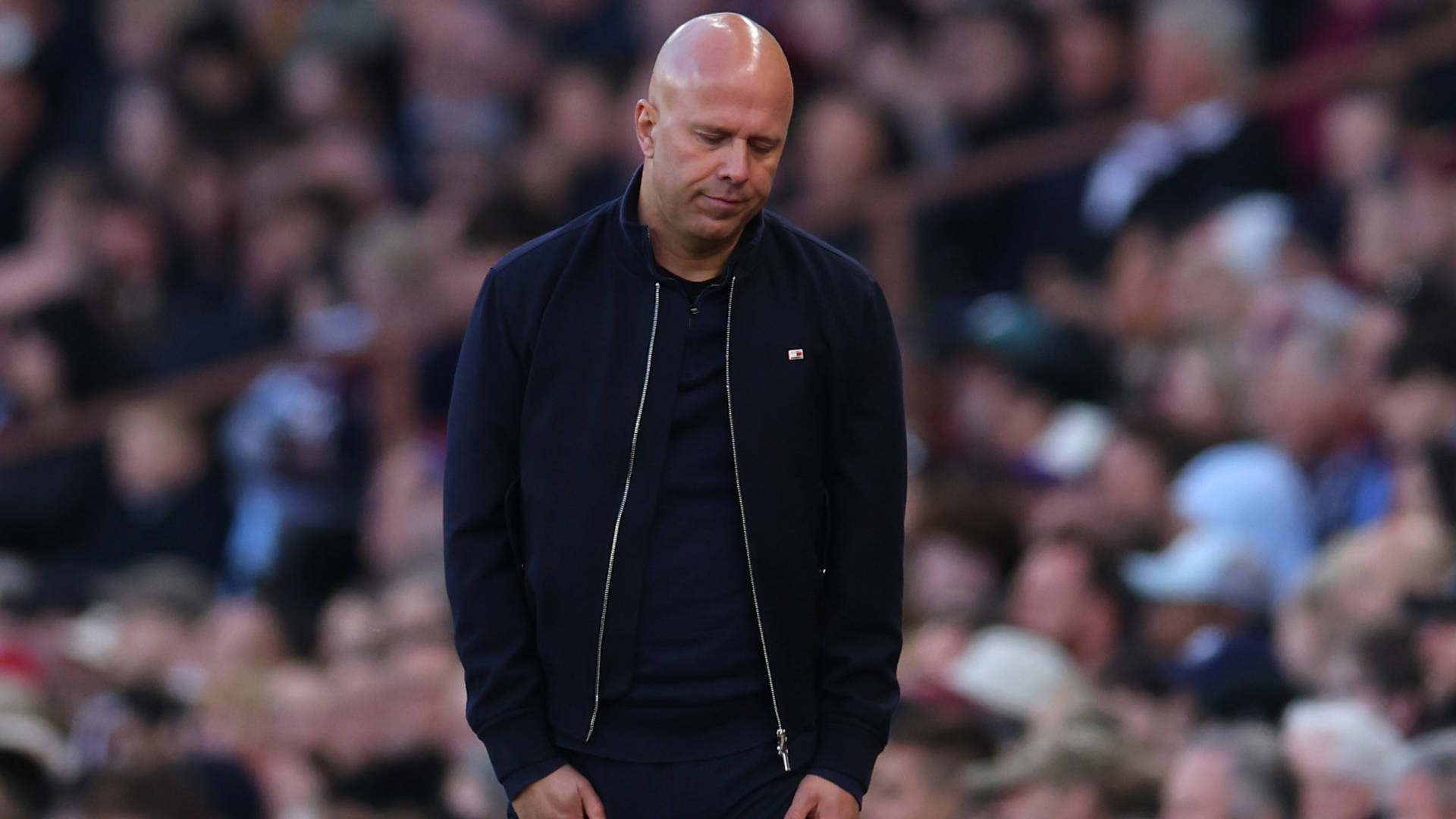
Photo · CBS Sports Headlines
There's a version of this story where Arne Slot is a success. He took over Liverpool, won the title, and built something real in his first season. That version is true. It's also apparently insufficient.
Liverpool have sacked Slot after two seasons — the first a title-winning campaign, the second a disappointment significant enough to end his tenure. CBS Sports reports it, The Athletic confirms it with live updates running, The Guardian covers it alongside Champions League final buildup as though the two stories belong in the same breath. Maybe they do. Maybe the point is that at Liverpool, the calendar never stops long enough to let a manager catch his footing when the results turn.
Andoni Iraola, currently at Bournemouth, is the name all three sources converge on as the frontrunner. The Spaniard who built something quietly impressive on the south coast is now being lined up to inherit Anfield.
What the Coverage Keeps Circling
What's striking about the way these three outlets are handling this story is what none of them dwell on: the strangeness of it. A manager wins the league. The following season goes badly enough. He's gone. And the coverage treats this as a natural progression — live updates, candidate names, the machinery of replacement already spinning before the dust settles.
The consensus framing is almost procedural. Slot in, Slot out, Iraola likely in. But underneath the logistics is a harder question that nobody in these pieces stops to ask directly: what exactly is the job at Liverpool now? Because if a title-winning manager gets two seasons before the club moves on, then the infrastructure — the recruitment, the identity, the system — has to be carrying more weight than any individual at the helm. Otherwise you're just cycling through good managers and hoping the next one lands in a better second year.
Iraola arriving from Bournemouth would be a genuinely interesting test of that theory. He's built a reputation on coherent, organized football with fewer resources than most of his peers. Liverpool would give him the opposite problem: abundant resources, enormous expectation, and a squad shaped by someone else's thinking.
The Inheritance Problem
The real tension here isn't whether Iraola is good enough. It's whether any incoming manager inherits a team or a system — and whether those two things are even separable at a club this size.
Slot's title came in year one. His exit comes in year two. That's not a cautionary tale about ambition or a story about a manager losing the dressing room — at least not based on what the sources tell us. It's a story about how quickly the window closes at the top, and how little grace even a championship buys you when the follow-up falls short.
Iraola, if he takes the job, walks into that exact dynamic. The expectation won't reset because the name above the door changed. If anything, it accelerates.
Winning the title at Liverpool used to be the beginning of something. Slot's tenure suggests it might just be the deadline.
Keep reading sports.

ESPN Named Him. Then Unnamed Him. Nobody's Explaining the Gap.
A retraction without a reckoning is just a deleted link.

Three People Died Celebrating. FIFA Hasn't Said Their Names.
Mexico City buried three people after the World Cup crowds came through. At some point, the sport has to sit with that.

Sell the Stadium, Lose the Room
NFL franchises are rolling out the welcome mat for World Cup tourists — and the desperation is showing.
From the other desks.

800 Horsepower, One Ton of Doubt
Lamborghini built the most powerful SUV it's ever made. It's also slower than what it replaced.

Gold Leaf on a Lacquer Dial, and the Weight of What That Costs
Awake's Frosted Leaf Royal Blue asks a question Vietnamese craft has never quite had to answer at this price.

Hide My Email Has Been Showing Your Email
Apple's privacy flagship has a hole in it. They've known for over a year.