Say the Whole Name
From a Maryland gym to a Los Angeles arena, athletes have always carried more identity than the scoreboard ever showed — and sports is still learning how to hold it.
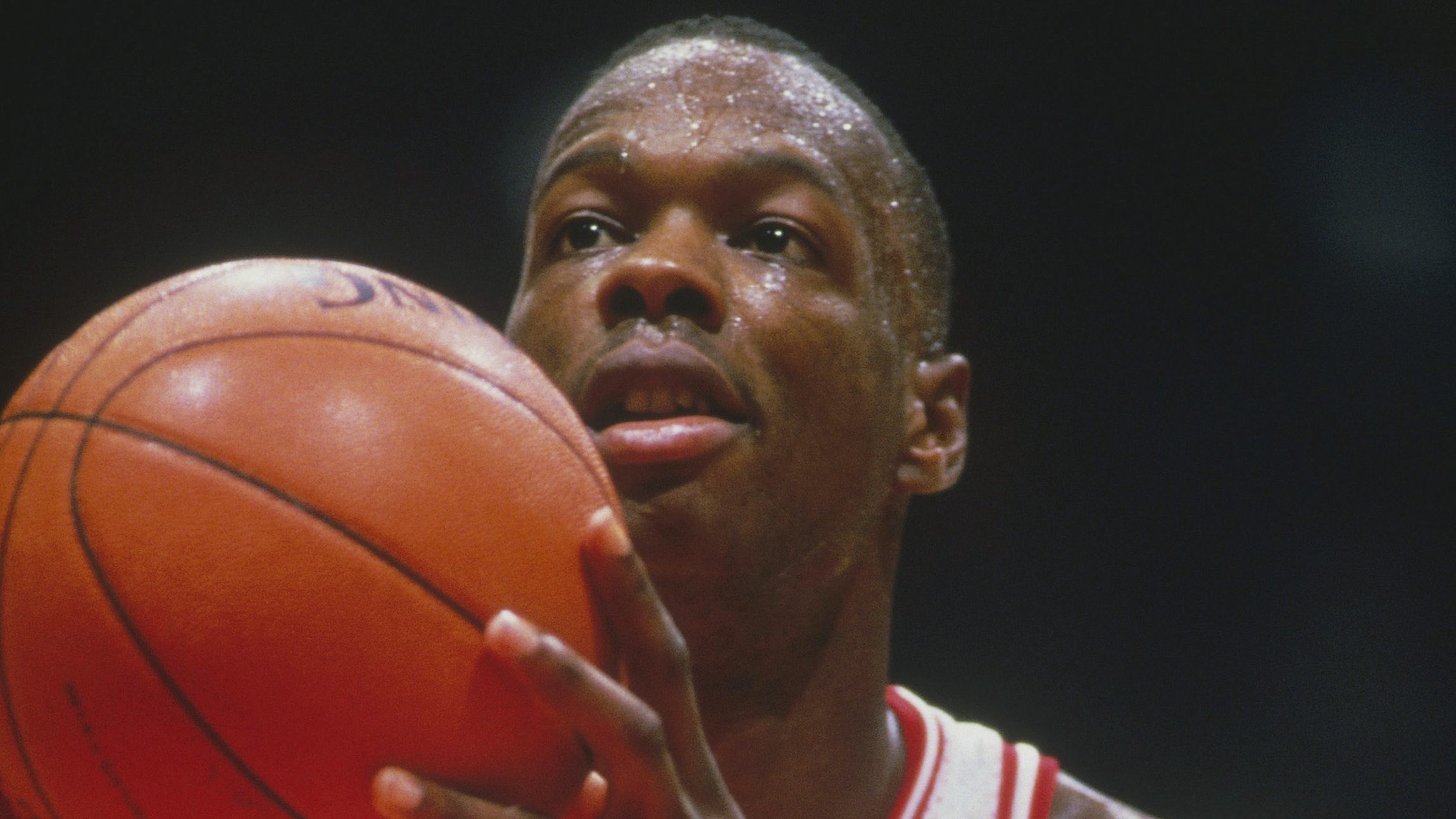
Photo · Andscape
The Name Before the Number
There is a version of an athlete that a sport wants. Distilled, legible, marketable. A name that fits a chyron. A story that travels in a sentence. The full human — the one with a mother, a neighborhood, a language, a lineage — tends to get edited down somewhere between the draft board and the broadcast.
Two portraits, four decades apart, make this uncomfortable to look away from. One is a remembrance of Len Bias, the kid from Landover, Maryland, who became something so large at the University of Maryland that Andscape describes him as having built "entirely new imagination ecosystems" there. The other is a piece about WNBA players of African descent navigating, with intention and pride, the question of which name they give to a sport that may not be ready to pronounce the real one.
Read them separately and you have two sports stories. Read them together and you have one long argument that sports has been having with identity for as long as anyone has been keeping score.
What a Name Carries
Nneka Ogwumike's full name is Nnemkadi Chinwe Ogwumike. In Nigerian culture, Andscape reports, a full name functions as an affirmation. Nnemkadi means "mother supreme." Chinwe means "God gives." Ogwumike means "warrior." That is not a nickname. That is not a brand. That is a sentence about who a person is before they ever touch a basketball.
The piece documents how she and other WNBA players with names of African origin navigate the choice of what to go by — a choice that Andscape frames plainly as one born of pride and preservation. Not convenience. Not palatability. Pride. Preservation. Those two words are doing a lot of work, because they imply that something is at risk of being lost. And it is. Every time an athlete swallows the full version of themselves to hand a sport something easier to say, a little of that affirmation disappears into the ambient noise of the arena.
I keep thinking about the weight of that. The name is the story before the story. When sports asks you to abbreviate it, it's asking you to start smaller than you are.
The Symbol and the Person
Len Bias died forty years ago, and people still reach for him as a symbol first. The Andscape piece is specifically, deliberately, about resisting that reflex. It insists on the person — the hometown kid, the local phenom, the young man who became something mythic in College Park before he became a cautionary noun that journalists reach for when they want to describe tragedy and promise in the same breath.
He was from Landover, Maryland. He played at the University of Maryland. He had rivalries that generated genuine heat — Andscape mentions his battles with the University of North Carolina among the things that made him. He was, in other words, a specific person living a specific life, not a rhetorical device.
What the two pieces share is this: both are acts of restoration. One is restoring a man to his full dimensions after decades of symbolic compression. The other is insisting that players carry their full names into a league that might prefer something shorter. Both are arguing, in different registers, that the sport does not get to decide what you're called.
Whether the Sport Can Hold It
Sports has always been comfortable with mythology. What it has been less comfortable with is the kind of identity that can't be co-opted — the kind that comes with a language, a culture, a meaning that the sport didn't assign and can't trademark. A name that means "warrior" in a tongue the announcer has to practice is not a name the sport controls. That's the real friction underneath the Andscape piece on WNBA players. It's not about pronunciation etiquette. It's about whether a league built on spectacle can make room for selfhood that predates it.
With Bias, the question has inverted with time. The sport — and the culture around it — spent decades using his name as shorthand, as symbol, as lesson. The restoration project is slower. You have to actively choose to remember the person. The imagination ecosystems he built at Maryland, the rivalries, the hometown roots — these require more than a sentence, and most of the sentences written about him over the years haven't offered more than that.
Both stories ask the same thing of us, though the ask feels different depending on which side of the history you're standing on. For the WNBA players, the question is present tense: will you say my name, the whole thing, and mean it? For Bias, the question is past tense, and sadder for it: did we ever actually see him?
The honest answer is that sports rarely sees anyone whole until it's asked to. And even then, it mostly prefers the version that fits the chyron.
The version that means something — mother supreme, warrior, God gives — takes longer to say. It should.
Keep reading sports.

ESPN Named Him. Then Unnamed Him. Nobody's Explaining the Gap.
A retraction without a reckoning is just a deleted link.

Three People Died Celebrating. FIFA Hasn't Said Their Names.
Mexico City buried three people after the World Cup crowds came through. At some point, the sport has to sit with that.

Sell the Stadium, Lose the Room
NFL franchises are rolling out the welcome mat for World Cup tourists — and the desperation is showing.
From the other desks.

800 Horsepower, One Ton of Doubt
Lamborghini built the most powerful SUV it's ever made. It's also slower than what it replaced.

Gold Leaf on a Lacquer Dial, and the Weight of What That Costs
Awake's Frosted Leaf Royal Blue asks a question Vietnamese craft has never quite had to answer at this price.

Hide My Email Has Been Showing Your Email
Apple's privacy flagship has a hole in it. They've known for over a year.