Two Million BMWs, Two Speeds, One Very Honest Number
BMW just crossed a milestone that took two years to reach — and the math it reveals is both a triumph and a warning.
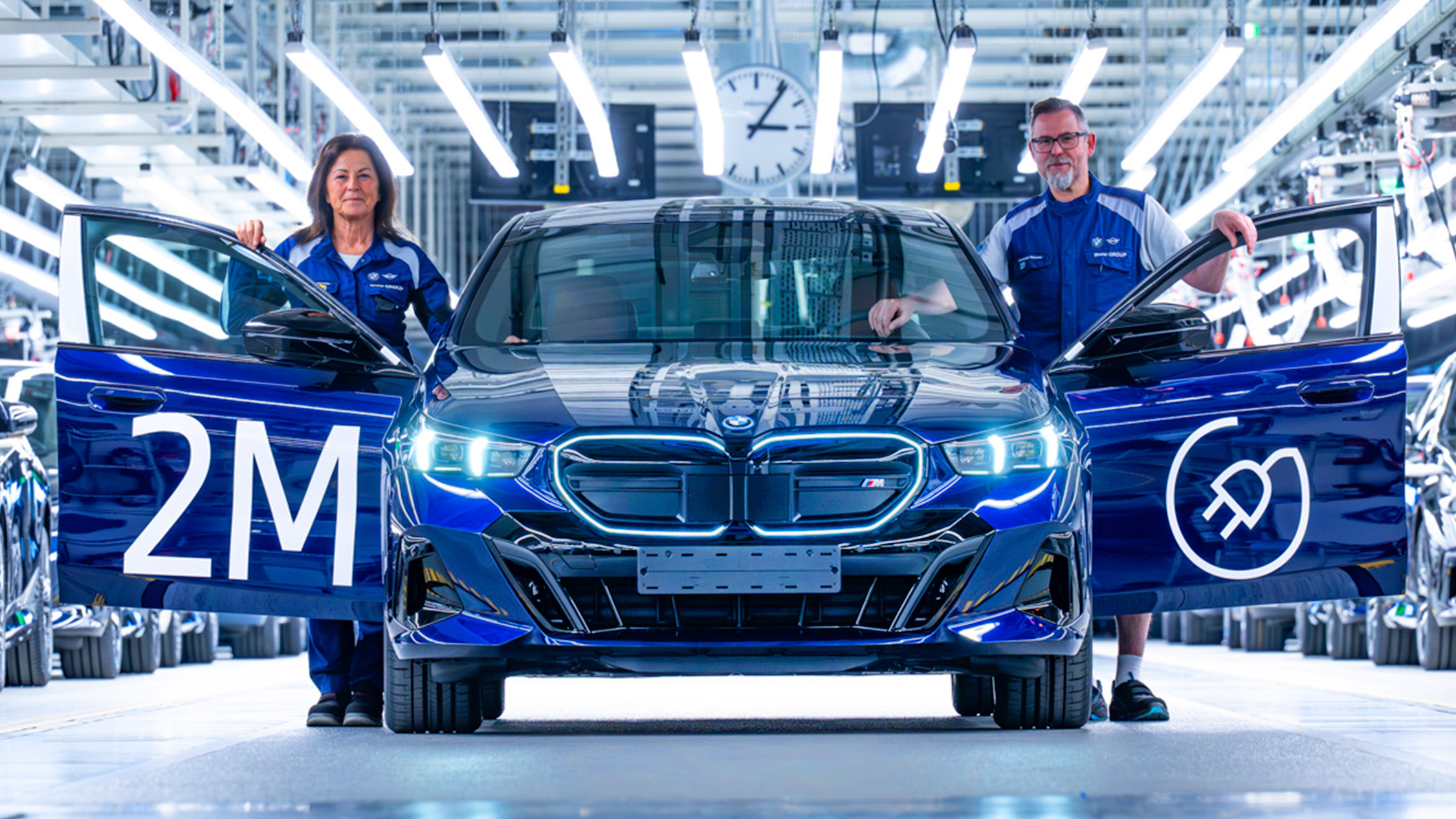
Photo · Carscoops
Eleven years to reach one million. Two years to reach two.
A writer at Carscoops ran those numbers side by side this week, and the contrast is so stark it almost doesn't need commentary. Almost. Because sitting inside that acceleration — that compression of time — is a confession BMW probably didn't intend to make so loudly.
The speed is real. Going from a decade-plus of effort to a two-year sprint is the kind of shift that doesn't happen by accident. It happens when infrastructure catches up, when model ranges widen enough to answer different buyers, when the hesitation that defined early adoption starts to look like a previous era. BMW Group crossed two million fully electric vehicles, and that fact belongs in the win column without qualification.
But Carscoops didn't just run the headline. They ran the caveat underneath it.
The Number Nobody Wanted to Talk About
Demand is slowing in key markets. That's the sentence that complicates the celebration. The second million arrived faster, yes — but that trajectory is already facing headwinds, and the next milestone is the one that will actually tell us something. Whether it takes one year or five is the question that matters more than anything BMW has already achieved.
This is the friction at the center of the EV transition right now, and BMW's milestone frames it cleanly: the early adopters came. The infrastructure believers came. The people who wanted to be first came. What's left is the middle of the market — the buyers who aren't hostile to electric, but aren't converted either. They're waiting for something. Range certainty, maybe. Charging that doesn't require planning a trip around it. A sticker price that doesn't ask them to make a values statement with their bank account.
Two million is not those buyers. Two million is still the vanguard.
What the Acceleration Actually Proves
Here's what I think the Carscoops piece gets right by implication, even if it doesn't say it directly: the first million was a proof of concept. The second million was a proof of scale. The third million will be a proof of whether the transition is genuinely inevitable or just moving fast inside a shrinking pool.
There's a version of this story where the two-year sprint is the best possible signal — where it means the technology crossed some invisible threshold and the rest is just momentum. BMW seems to be betting on that version. The lineup breadth suggests they're not hedging anymore.
But slowing demand in key markets is not a footnote. It's the plot twist. It suggests the machine is accelerating while the road is narrowing, and that combination has its own kind of physics.
The milestone is worth celebrating. The math underneath it is worth watching.
Two million is not the finish line. It might be where the race actually starts.
Keep reading cars.

800 Horsepower, One Ton of Doubt
Lamborghini built the most powerful SUV it's ever made. It's also slower than what it replaced.

£11,990 Draws a Line Under Every Excuse You Had Left
Dacia just made the cheapest new car in Britain electric — and that's not a footnote, it's a verdict.
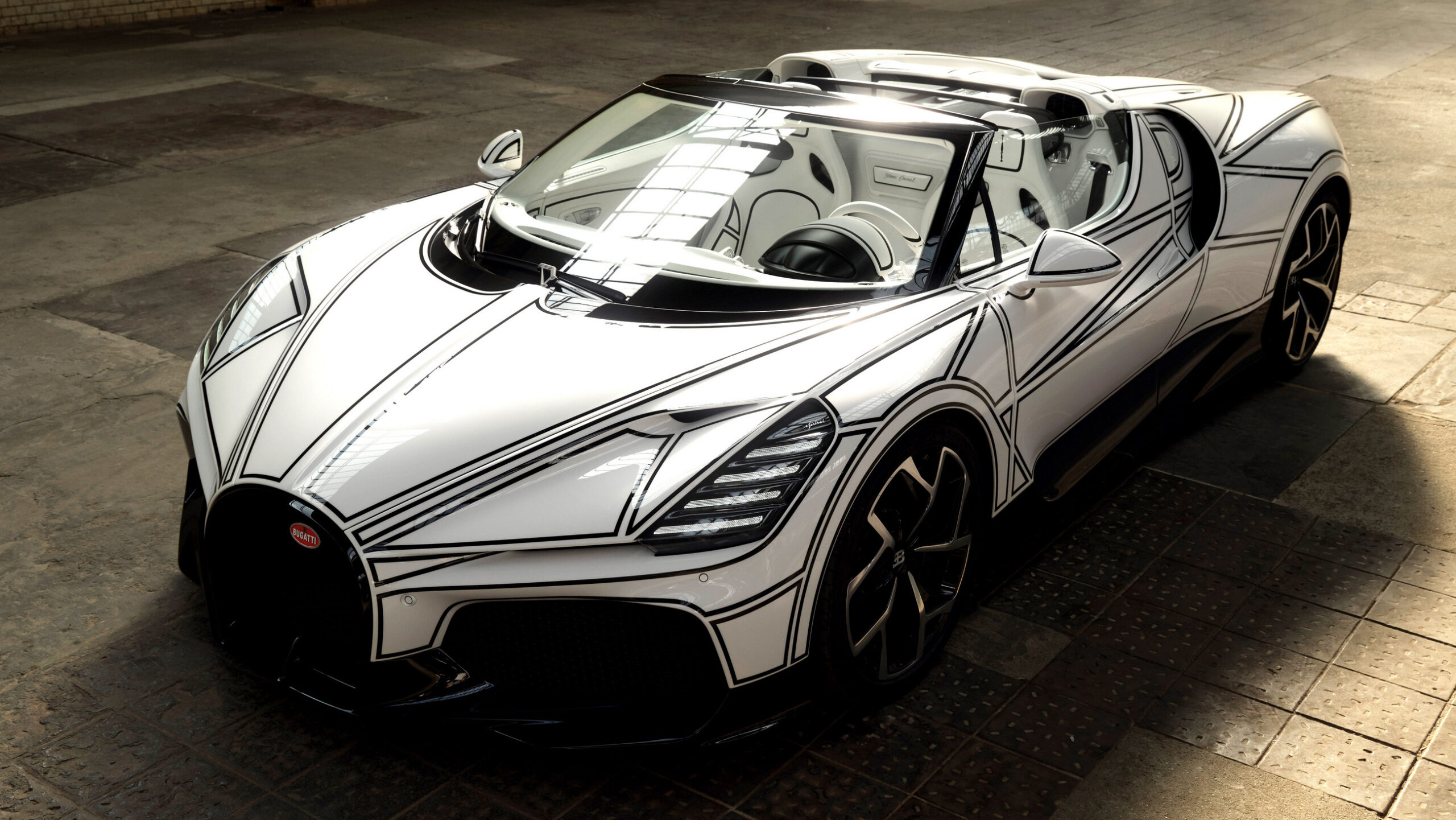
Blanc Éternel Hides Its Speed Behind a Gas Cap
Bugatti built a 261-mph roadster and made sure you'd notice the porcelain first.
From the other desks.

Gold Leaf on a Lacquer Dial, and the Weight of What That Costs
Awake's Frosted Leaf Royal Blue asks a question Vietnamese craft has never quite had to answer at this price.

ESPN Named Him. Then Unnamed Him. Nobody's Explaining the Gap.
A retraction without a reckoning is just a deleted link.

Hide My Email Has Been Showing Your Email
Apple's privacy flagship has a hole in it. They've known for over a year.