Audi Skipped the American Factory. Tariffs Are the Invoice.
BMW and Mercedes planted roots in the US. Audi optimized around that choice — and now the math has changed.
Photo · Carscoops
The Position Carscoops Just Staked Out
A writer at Carscoops has said something blunt: BMW and Mercedes build in America, and Audi is about to understand why that matters. The piece doesn't bury the implication. Audi's incoming Q9 — its largest SUV — arrives without a domestic factory behind it, while its German rivals have spent years running production lines on American soil. The tariff exposure isn't hypothetical anymore. It's structural.
What's interesting isn't the observation itself. It's that someone is finally saying it this plainly.
For years, the narrative around German automakers building in the US was framed as commitment — civic investment, job creation, a relationship with the American market that went deeper than a shipping container. BMW has its Spartanburg plant in South Carolina. Mercedes has Vance, Alabama. These weren't charity. They were calculated, and one of the things they calculated for was exactly this kind of political weather. The tariff threat that Carscoops is responding to didn't come out of nowhere. Anyone paying attention to the trade climate knew this moment was coming eventually. BMW and Mercedes positioned accordingly. Audi didn't.
What the Q9 Reveals
The Q9 is Audi's play for the large American SUV buyer — a segment where margin lives, where transaction prices stay high, and where customers are theoretically insulated from sticker shock. Except tariffs don't care about your target demographic. They hit the invoice before the customer ever sees it, and the brand absorbs the pressure or passes it along. Neither option is clean.
The Carscoops piece frames this as Audi scrambling. That's fair. But what it actually reveals is something more uncomfortable: the decision not to build in America was never really about logistics. It was about optimization. Manufacturing in Germany, shipping to the US, and accepting the existing trade terms was the cheaper model — until it wasn't. What looked like efficiency was actually exposure, dressed up as strategy.
BMW didn't build in Spartanburg because they love South Carolina. They built there because it made the numbers work across a range of scenarios, including the bad ones. That's not altruism. That's hedging. And right now, that hedge is paying out while Audi holds an unhedged position on one of its most important new vehicles.
The larger story here — the one the Carscoops piece points toward without fully entering — is that this is what tariff policy actually does to product planning. It doesn't just raise prices in the short term. It punishes the companies that read the previous chapter of the rulebook and didn't account for a rewrite. Audi read the old chapter well. The Q9 was presumably planned, engineered, and scheduled under a set of assumptions about what the US market would cost to enter. Those assumptions are now wrong.
There's a version of this where Audi prices through it, the Q9 sells anyway because buyers in that segment have room, and everyone moves on. There's another version where the math gets awkward enough that the Q9 arrives with a number that makes the competition look patient and wise for building locally. The Carscoops writer is betting on the latter framing. They might be right.
What's worth sitting with is this: the companies that look prescient right now didn't predict Trump's tariff posture specifically. They just built factories instead of supply chains, and factories don't move. Supply chains do — but only after you've already committed the product.
Audi committed the product. The factory isn't coming in time to matter.
Keep reading cars.

800 Horsepower, One Ton of Doubt
Lamborghini built the most powerful SUV it's ever made. It's also slower than what it replaced.

£11,990 Draws a Line Under Every Excuse You Had Left
Dacia just made the cheapest new car in Britain electric — and that's not a footnote, it's a verdict.
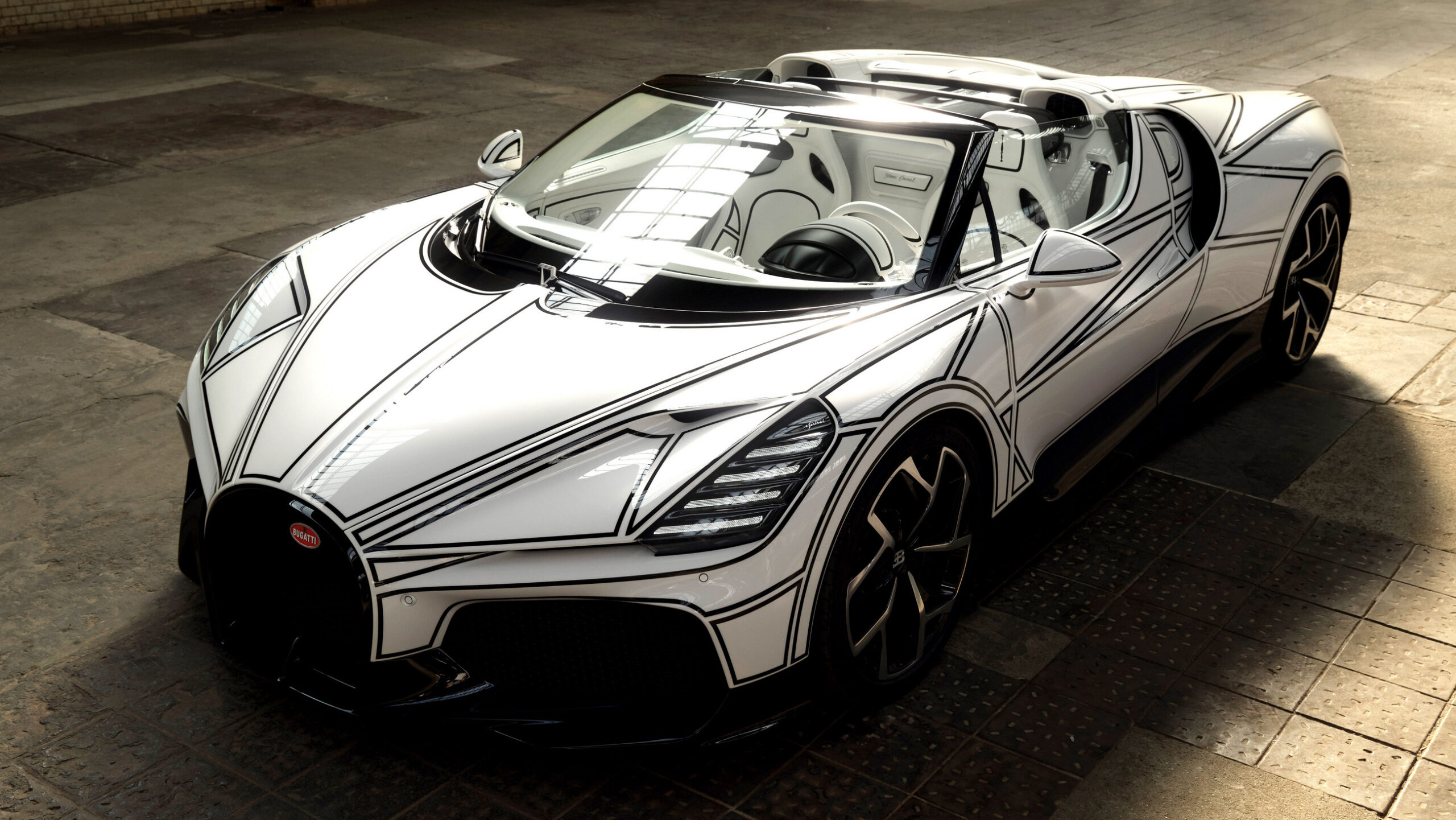
Blanc Éternel Hides Its Speed Behind a Gas Cap
Bugatti built a 261-mph roadster and made sure you'd notice the porcelain first.
From the other desks.

Gold Leaf on a Lacquer Dial, and the Weight of What That Costs
Awake's Frosted Leaf Royal Blue asks a question Vietnamese craft has never quite had to answer at this price.

ESPN Named Him. Then Unnamed Him. Nobody's Explaining the Gap.
A retraction without a reckoning is just a deleted link.

Hide My Email Has Been Showing Your Email
Apple's privacy flagship has a hole in it. They've known for over a year.