Geneva Stopped Reaching and Nobody Booed
Watches & Wonders 2026 drew record crowds to see something quieter than a revolution — and that might be the most revealing thing to happen to the watch industry in years.
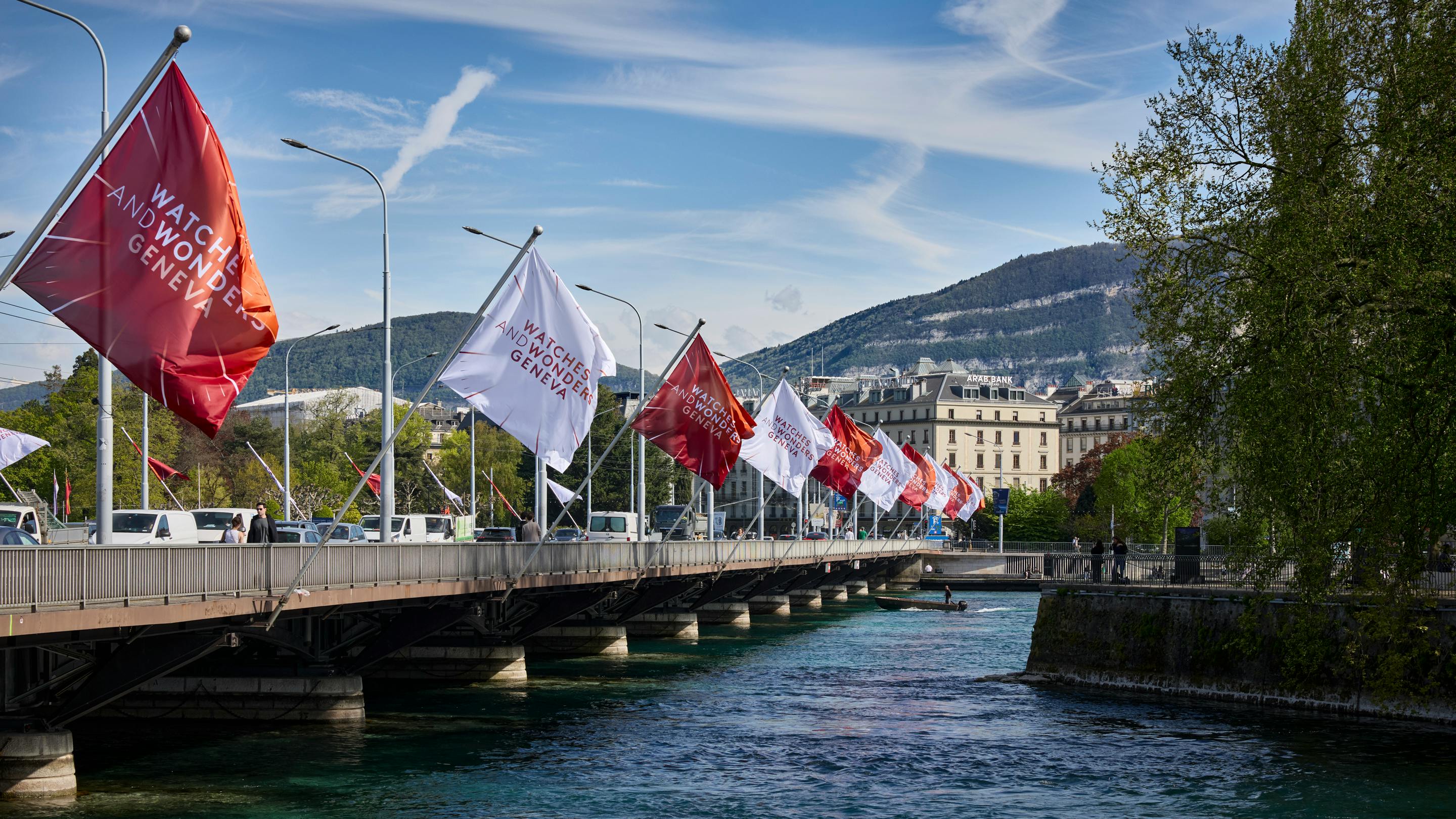
Photo · Hodinkee
What a Room Full of Silence Sounds Like
Imagine walking into a space where every object costs more than a used car, where the lighting is engineered to make metal glow like something sacred, where the people holding clipboards have memorized talking points about complications that take a decade to master. Now imagine that the most honest thing being said in that room isn't coming from any of the presentations. It's the absence of a particular kind of announcement. The absence of the word breakthrough.
That's Watches & Wonders 2026. And if you read all sixteen sources covering it at once — the collector roundups, the podcast recaps, the editor's picks, the hands-on reviews filed at midnight from Geneva — what emerges isn't a story about any single watch. It's a story about an industry collectively exhaling. Deciding, for perhaps the first time in a long while, that consolidation is not defeat.
Fratello's Jorg wrote plainly that the show felt different from last year — more about consolidation than grand technological gestures or milestone anniversaries. Hodinkee noted that the buzziest releases tended to iterate or expand on known successes, with brands visibly trying to demonstrate value and offer choice to buyers who are thinking harder about what they spend. Monochrome pointed out that even their definition of "attainable" has had to shift upward, the threshold for a sub-10k watch now representing something that would have been considered mid-tier ambition just a few years back.
These aren't complaints. They're readings. Three separate outlets, three separate orientations, arriving at the same coordinates.
The Return That Felt Inevitable
Audemars Piguet came back to Palexpo after seven years away, and Fratello described it as feeling entirely natural — like it had never left. That's a remarkable thing to say about a seven-year absence. It speaks less to AP's magnetism, though that's real, and more to how the show itself has come to function: as a kind of annual confirmation that the major players are still major, still here, still doing the thing.
Elsewhere, A. Lange & Söhne released what SJX described as a compact, value-oriented Saxonia Annual Calendar alongside a flagship tourbillon perpetual — a bifurcated strategy the brand apparently also deployed the year prior. Patek Philippe, as Watches & Wonders was closing, opened its Rare Handcrafts exhibition at its salon on Rue du Rhône, which SJX described as a peaceful escape from the Palexpo energy, a chance to view pieces ranging from dome clocks to wristwatches in a quieter setting. Cartier, per Worn & Wound, brought an almost dizzying breadth of collection — intricate, valuable creations passed around a table of press with a casualness that somehow made them feel more real. Chanel, Bulgari, Chopard all showed up with new work. The roster was full.
And yet the overall register was, by consensus, measured. Which is not the same as boring. It is, in fact, harder.
What Iteration Actually Requires
There's a condescension built into the word iteration when critics use it about creative industries. As if refinement is the consolation prize for failing to invent something new. But anyone who has ever tried to make something good — really tried, not just tried to make something different — knows that iteration is where most of the actual work lives. Getting a proportion right. Adjusting a dial texture until it reads correctly at arm's length. Choosing the moment to release a complication in a smaller case because the market has shifted and people want to wear these things, not just own them.
Worn & Wound's design-themes piece identified key aesthetic patterns across the show floor. Their under-the-radar column made the case, as it does every year, that the most interesting things at Watches & Wonders are often the ones that don't get the loudest rooms. Vacheron Constantin's ultra-thin work drew attention. Zenith's bloodstone dial made Robb Report's collector favorites list. Laurent Ferrier showed what Quill & Pad called arguably the most practical watch in the brand's collection — the Sport Traveller in slate grey, a sentence that tells you something about where even the independents are pointing.
Practical. Attainable. Value-oriented. These words keep surfacing. They're not marketing language from the brands — they're the language the press reached for, independently, to describe what they were seeing.
The Show That Attendance Built
Hodinkee reported that attendance climbed this year despite geopolitical friction and economic headwinds. That's the number that sits underneath everything else. People showed up in greater numbers to see a show defined not by rupture but by careful, considered presence.
I keep thinking about what that means outside the watch world. We talk constantly about disruption as the only currency worth holding — in tech, in fashion, in sports, in everything. The object that reinvents the category. The brand that burns the playbook. But there's another kind of attention, quieter and more durable, that gets paid to things that simply keep being good at what they are. That get incrementally more honest about their own proportions.
Geneva, in 2026, seems to have decided to be that kind of thing. Whether the industry rewards it, whether the collectors sustain it, whether next year brings the grand gesture that resets the conversation — none of that is settled.
But for one week, in a convention hall in Switzerland, the most radical move was restraint. And the room was full.
Keep reading fashion.

Gold Leaf on a Lacquer Dial, and the Weight of What That Costs
Awake's Frosted Leaf Royal Blue asks a question Vietnamese craft has never quite had to answer at this price.
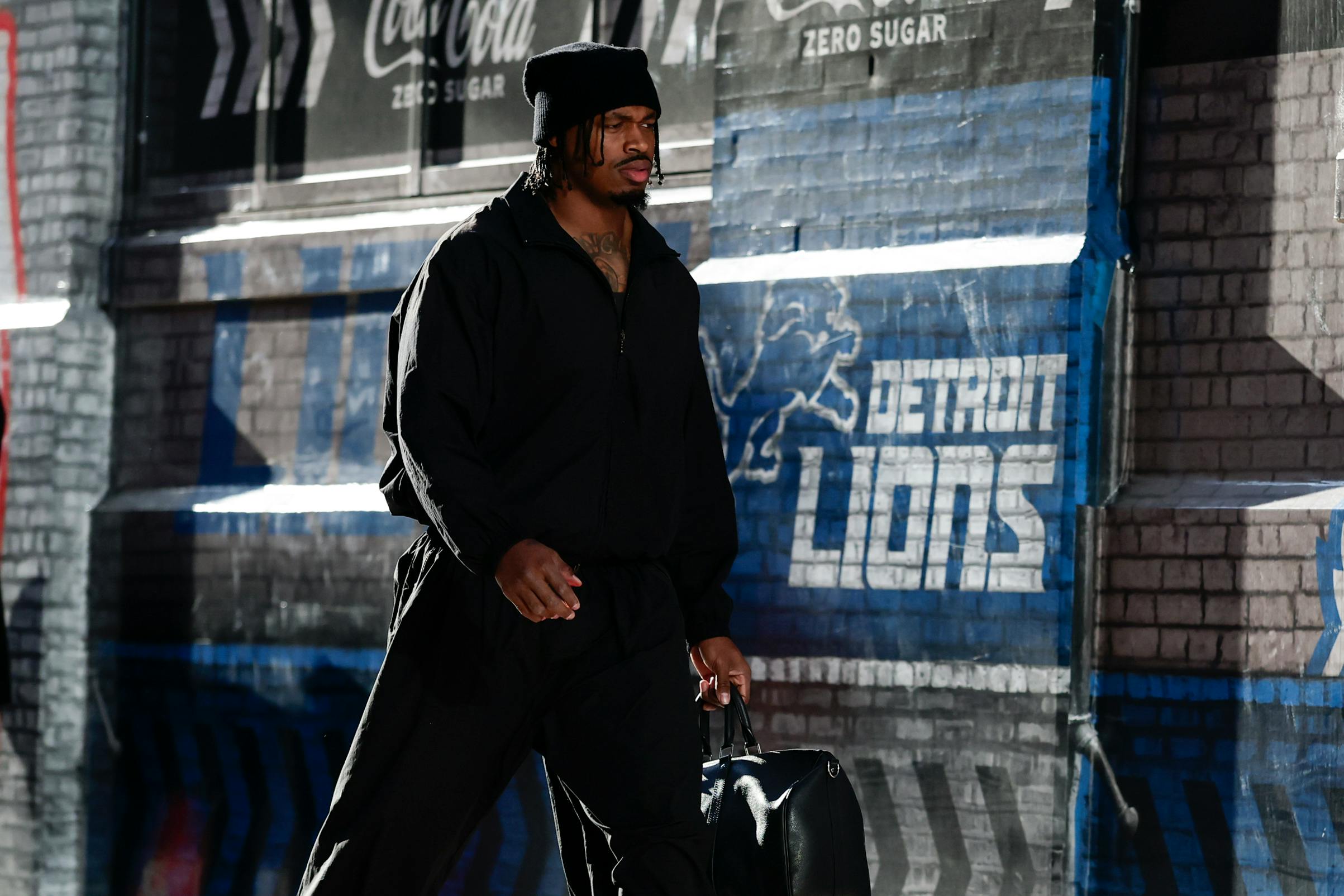
Kyle Smith Has a Job Title That Didn't Exist Before. That's the Whole Tell.
When the NFL hires a fashion editor, it's not about clothes — it's about who gets to decide what matters.
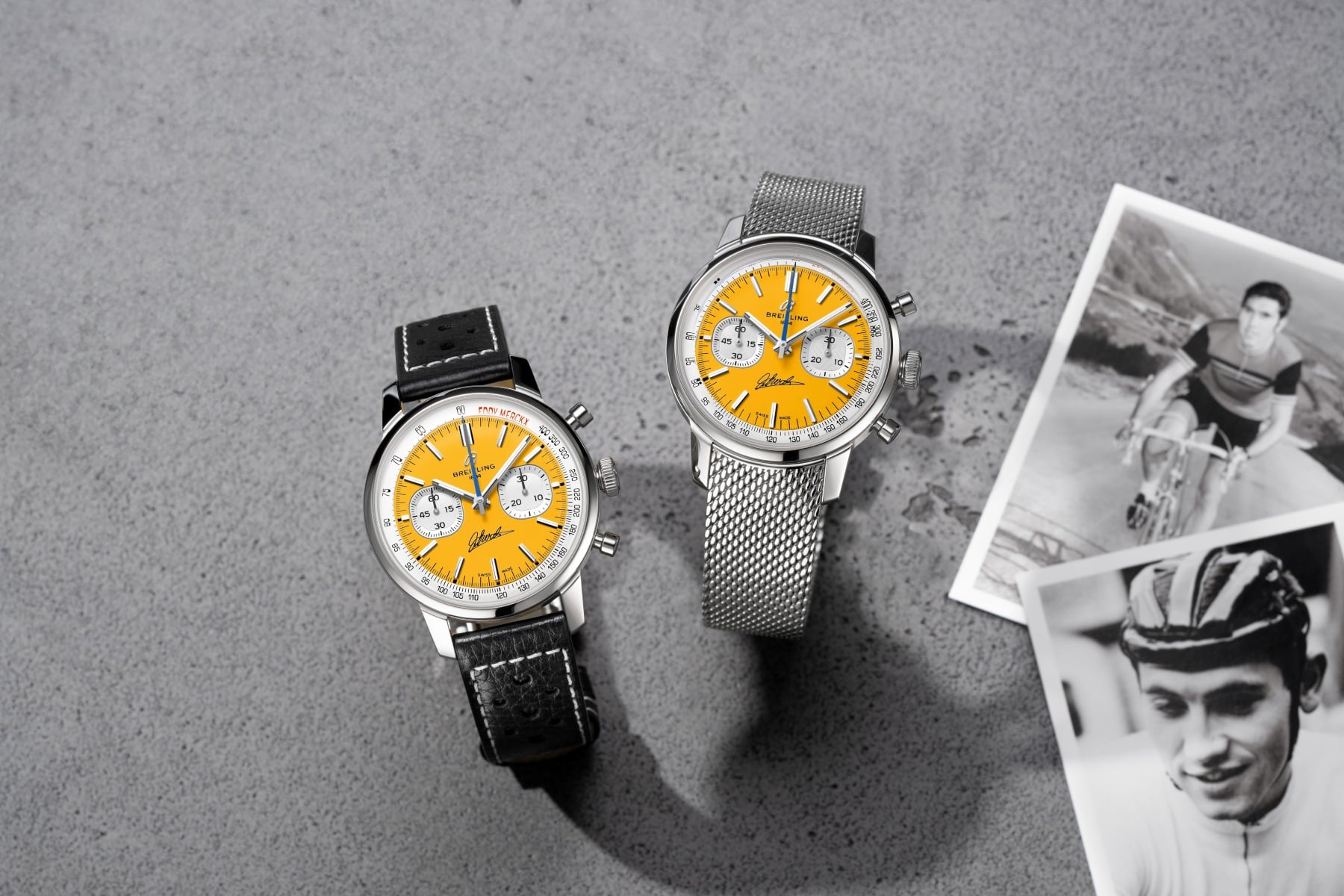
525 Victories, One Dial, and Cycling's Long Wait for a Wrist
Breitling's Eddy Merckx edition doesn't just reference a legend — it asks whether motorsport's younger sibling has finally earned its place in serious watch culture.
From the other desks.

800 Horsepower, One Ton of Doubt
Lamborghini built the most powerful SUV it's ever made. It's also slower than what it replaced.

ESPN Named Him. Then Unnamed Him. Nobody's Explaining the Gap.
A retraction without a reckoning is just a deleted link.

Hide My Email Has Been Showing Your Email
Apple's privacy flagship has a hole in it. They've known for over a year.